5.0
1 verified reviews
About
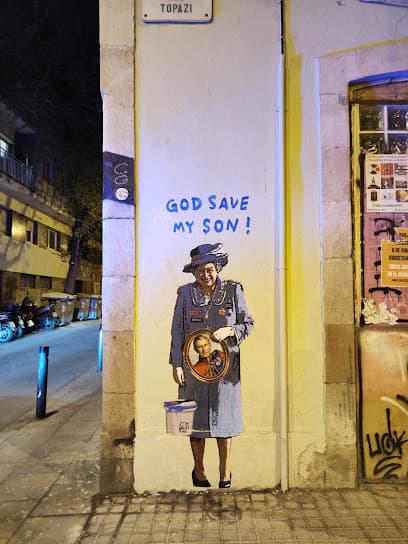
Gràcia isn’t the Barcelona they sell you on the postcards. It’s not the polished stone of the Gothic Quarter or the sprawling, grid-locked ambition of Eixample. It’s a village that got swallowed by a city but refused to be digested. And if you want to see the pulse of that defiance, you don’t go to a museum. You go to a wall. Specifically, you find yourself on Carrer del Topazi, standing in front of a piece of 'Arte urbano' that feels less like a decoration and more like a confession.
This isn't the kind of street art that’s been commissioned by a corporate board to make a luxury condo look 'edgy.' This is the real deal. In Gràcia, the urban art scene is a living, breathing organism. It’s on the 'persianas'—those heavy metal shutters that guard the shops at night—and it’s on the crumbling plaster of buildings that have seen better days. At Carrer del Topazi 9, you’re in the heart of a neighborhood where the best street art in Barcelona isn't just found; it’s lived.
You walk these narrow, sun-drenched streets and you start to notice the patterns. Maybe it’s a hyper-realistic portrait by Axe Colours, whose vibrant, neon-tinged faces of icons like Walter White or Daenerys Targaryen have become local landmarks. Or maybe it’s the whimsical, slightly menacing bears of Zach Oreo. The beauty of it—the honest, brutal beauty—is that it’s ephemeral. You could come here today and see a masterpiece of social commentary, and by next Tuesday, it’s been tagged over, buffed out, or replaced by something even more urgent. It’s a middle finger to the idea of permanence, and in a city as old as this, that’s refreshing as hell.
What makes the urban art in Gràcia special is the context. You aren't standing in a sterile white box with a glass of cheap cava. You’re standing on a sidewalk while a grandmother hauls her groceries past you and the smell of roasting coffee from a nearby café hits your nose. The art is part of the furniture. It’s the backdrop to the daily arguments over football and the late-night revolutionary whispers in the plazas.
Is it 'worth it'? If you’re the kind of person who needs a gift shop and an audio guide to tell you what to feel, probably not. But if you want to understand the independent spirit of this barrio—the 'Vila de Gràcia' that still thinks of itself as a separate entity from the rest of the city—then this is mandatory. It’s free, it’s raw, and it’s one of the few things left in this town that hasn't been completely sanitized for your protection.
Don't just look at the one mural. Use Topazi 9 as your North Star and then get lost. Wander toward Carrer de les Guilleries or Carrer de Bruniquer. Look at the shutters when the shops are closed; that’s when the neighborhood really reveals its secrets. It’s a scavenger hunt where the prize is a moment of genuine connection with a city that is constantly trying to reinvent itself while desperately clinging to its soul. This is the urban art Barcelona deserves—unfiltered, unapologetic, and gone before you can even finish your cortado.
Type
Tourist attraction
Features
Tourist attraction
Categories
Street ArtCulturePhotographyLocal Life
Accessibility
- Public street access
- Flat terrain
- Wheelchair accessible
Location
Carrer del Topazi, 9
Gràcia, Barcelona
Nearby
ATTRACTION
Festes de Gràcia - Carrer Verdi
100 m · Gràcia
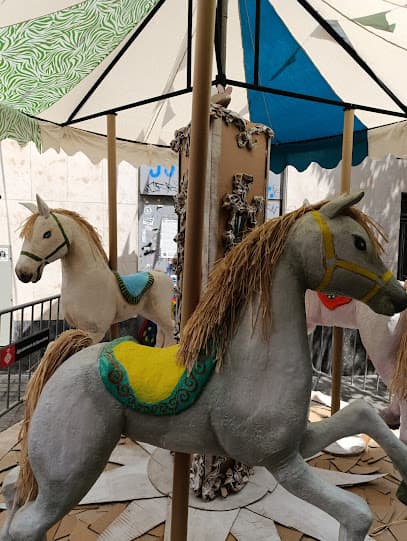
The heavyweight champion of Gràcia’s street-decorating madness, where neighbors turn recycled trash into high-concept fever dreams every August. It’s beautiful, crowded, and loud.
5.0(4)
Tourist attraction
ATTRACTION
Espai Albert Musons
200 m · Gràcia
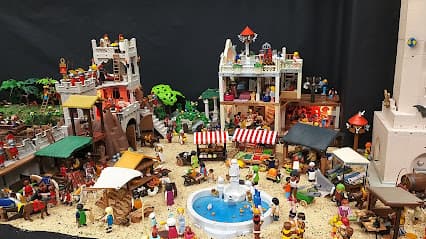
The beating heart of Gràcia’s soul, where the blue-shirted Castellers defy gravity and the smell of sweat and community pride replaces the usual tourist-trap perfume.
4.7(148)
Cultural associationTourist attraction
RESTAURANT
Tasta Gràcia
€€50 m · Gràcia
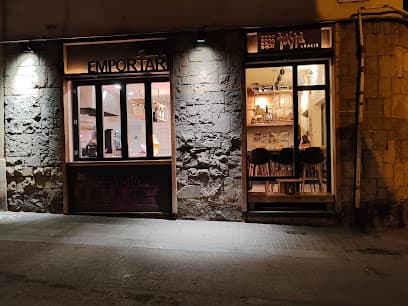
A Gràcia sanctuary where the duck cannelloni is a religious experience and the cheesecake will make you reconsider every life choice that led you elsewhere. Pure, unadulterated Catalan soul.
4.8(462)
Tapas restaurant
RESTAURANT
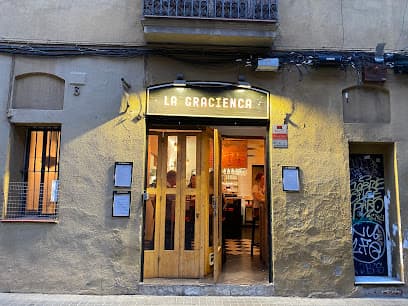
La Gracienca
€€100 m · Gràcia
A gritty, soul-filled Gràcia hideout where the ensaladilla rusa is a religious experience and the tourists are outnumbered by locals who know exactly where the good stuff is.
4.6(528)
Tapas bar
HOTEL
Residència Erasmus Gràcia
€250 m · Gràcia
It’s a student dorm masquerading as a hotel, but in Gràcia, that’s a feature, not a bug. Clean, spartan, and blissfully free of the velvet-rope bullshit of the Eixample.
4.0(904)
Student dormitory
HOTEL
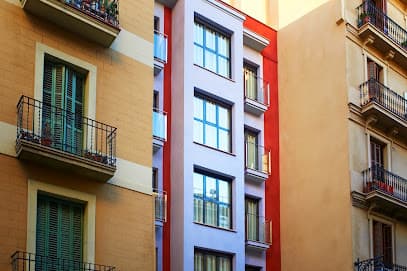
Gran de Gràcia Barcelona Apartment
€€300 m · Gràcia
Gràcia isn't a neighborhood; it’s a state of mind. These apartments put you in the thick of the village, where the scooters roar and the vermouth flows like water.
4.2(111)
Extended stay hotel
Frequently Asked Questions
Is the street art at Carrer del Topazi 9 free to visit?
Yes, it is entirely free. This is public art located on the exterior walls and shutters of the neighborhood, accessible to anyone walking by at any time.
When is the best time to see the street art in Gràcia?
For large murals, daylight is best. However, many of the best pieces are painted on shop shutters ('persianas'), which are only visible when the shops are closed—typically during siesta (2:00 PM - 5:00 PM) or late at night.
Who are the famous artists active in this area?
You will frequently see works by Axe Colours, known for celebrity portraits, as well as local legends like El Xupet Negre, Zach Oreo, and the Medianeras collective.
How do I get to Carrer del Topazi 9?
The easiest way is to take the L3 Metro (Green Line) to Fontana. From there, it is a 5-minute walk through the heart of Gràcia toward Plaça de la Revolució.
Reviews
0 reviews for Arte urbano
No reviews yet. Be the first to share your experience!