4.6
88,353 verified reviews
About
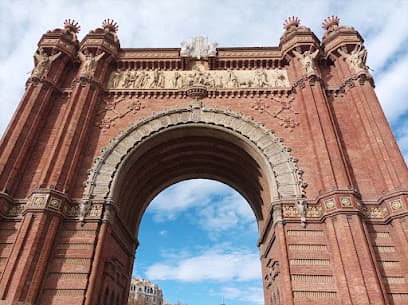
Most triumphal arches are built to celebrate some dead general or a bloody massacre. They are cold, intimidating slabs of stone designed to make you feel small. Barcelona’s Arc de Triomf is different. It’s a red-brick gateway to a party. Built as the main entrance for the 1888 Universal Exhibition—the city’s massive 'coming out' event—this thing doesn't celebrate war; it celebrates industry, art, and commerce. It’s a civil monument, and that distinction matters. It tells you everything you need to know about the Catalan soul: they’d rather trade with you than fight you, but they’ll make sure they look damn good doing it.\n\nStanding at the top of the Passeig de Lluís Companys, the arch is a masterclass in Neo-Mudéjar style. Architect Josep Vilaseca i Casanovas ditched the usual neoclassical tropes for something that felt more local, more grounded. The red brick glows in the Mediterranean sun, a warm contrast to the blue sky and the green palms lining the promenade. If you look closely at the friezes, you won’t see soldiers charging into battle. Instead, you see 'Barcelona rep les nacions'—Barcelona receiving the nations. It’s an invitation, not a threat. Other carvings represent agriculture, industry, and art. It’s the 19th-century version of a high-tech startup’s lobby, scaled up to monumental proportions.\n\nThe experience of the Arc de Triomf isn't just about the brickwork; it’s about the theater of the Passeig de Lluís Companys. This is the city’s living room. On any given afternoon, you’re walking through a gauntlet of human activity. There are the skaters grinding on stone ledges, the guys blowing giant soap bubbles that drift toward the arch’s crown, and the inevitable street performers ranging from world-class breakdancers to guys in questionable Mickey Mouse suits. It’s loud, it’s chaotic, and it’s unapologetically Barcelona. You’ll smell the faint scent of the nearby sea mixed with the sweat of joggers and the occasional whiff of street food from a nearby vendor.\n\nIs it a tourist trap? In the sense that everyone with a camera stops here, yes. You will have to dodge selfie sticks and influencers trying to find the perfect angle that crops out the trash cans. But it’s also a place where locals actually hang out. Old men sit on the benches under the palms, ignoring the spectacle and arguing about football. Families push strollers toward the entrance of Parc de la Ciutadella. It’s one of the few heavy-hitting landmarks in the city that doesn't feel like a museum. It’s a functional piece of the urban fabric.\n\nIf you’re looking for things to do in Barcelona that don't cost a cent, this is the top of the list. You walk under the arch, feel the weight of that 1888 swagger, and then continue down the promenade toward the park. It’s the perfect transition from the tight, claustrophobic alleys of El Born and the Gothic Quarter into the wide-open green lung of the city. Don't just snap a photo and leave. Sit down. Watch the circus. Realize that while the 1888 World Fair is long gone, the spirit of the city welcoming the world hasn't changed a bit. It’s a protein hit of history and culture, served up for free on a platter of red brick and palm trees.
Type
Monument, Tourist attraction
Duration
30-45 minutes
Best Time
Late afternoon for the best lighting on the red brick and to see the local street performers.
What People Say
zoo(275)brick(255)world fair(223)allée(223)1888(202)street performers(170)palm trees(126)pickpockets(90)
Features
Monument
Tourist attraction
Categories
ArchitectureHistory1888 World FairPublic Art
Ticket Prices
Free Admission
No tickets required
Opening Hours
- MondayOpen 24 hours
- TuesdayOpen 24 hours
- WednesdayOpen 24 hours
- ThursdayOpen 24 hours
- FridayOpen 24 hours
- SaturdayOpen 24 hours
- SundayOpen 24 hours
Must-See Highlights
The 'Barcelona rep les nacions' frieze on the front side
The bat carving on the coat of arms (a symbol of King Jaume I)
The ornate ceramic details at the top of the arch
The giant soap bubble performers often found on the promenade
Visitor Tips
Watch your pockets; the crowds and street performers make it a prime spot for pickpockets.
Walk from the Arch all the way down to the Cascada Monumental in the park for the best experience.
The Metro station 'Arc de Triomf' also serves Renfe trains, making it a major transport hub.
Good For
FamiliesPhotographersBudget TravelersArchitecture Buffs
Why Visit
Unique Neo-Mudéjar red-brick architecture that stands out from typical European stone arches
A 'civil' monument celebrating peace and commerce rather than military victory
The gateway to the palm-lined Passeig de Lluís Companys and Parc de la Ciutadella
Nearby Landmarks
- Parc de la Ciutadella (2-minute walk)
- Barcelona Zoo (8-minute walk)
- El Born Cultural and Memorial Center (7-minute walk)
- Palau de la Música Catalana (12-minute walk)
Accessibility
- Fully wheelchair accessible
- Flat paved promenade
- Accessible via elevator from the Metro station
Location
Passeig de Lluís Companys
Ciutat Vella, Barcelona
Nearby Hotels
Nearby Restaurants
In Ciutat Vella
ATTRACTION
Park
Ciutat Vella
A thousand years of silence tucked behind a Romanesque monastery, where the grit of El Raval dissolves into ancient stone, cool shadows, and the heavy weight of history.
0.0(0)
Park
ATTRACTION
BARSHELONA
Ciutat Vella
Forget the plastic bulls and tacky magnets. This is where Barcelona’s soul is bottled into art, a small sanctuary of local design hidden in the shadows of the Gothic Quarter.
0.0(0)
Tourist attraction
ATTRACTION
Minajoe art
Ciutat Vella
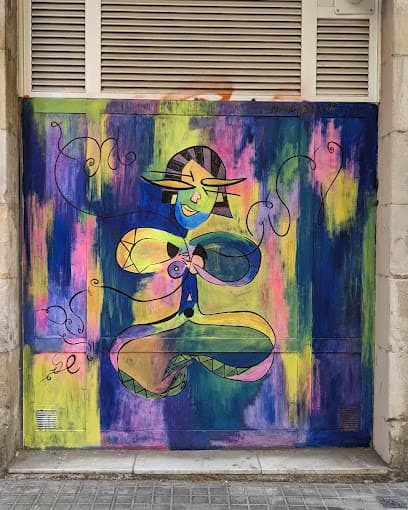
A raw, paint-splattered antidote to the sterile museum circuit. This is where pop-art meets the grit of the street, served straight from the artist’s hands in the heart of old Barcelona.
0.0(0)
Tourist attraction
Frequently Asked Questions
Is Arc de Triomf worth visiting?
Yes, it's one of the few iconic Barcelona landmarks that is completely free to visit and offers a great sense of the city's 19th-century architectural ambition.
How do I get to Arc de Triomf?
Take the L1 Metro line to the 'Arc de Triomf' station. It's also a short 10-minute walk from the El Born neighborhood or the Barcelona Nord bus station.
What is the best time to visit Arc de Triomf?
Early morning is best for photos without crowds, but late afternoon offers the best 'golden hour' light against the red bricks and a livelier local atmosphere.
Can you go inside or climb the Arc de Triomf?
No, unlike the arch in Paris, you cannot go inside or climb to the top. It is a solid decorative monument meant to be admired from the ground.
Reviews
0 reviews for Arc de Triomf
No reviews yet. Be the first to share your experience!