4.8
2,784 verified reviews
About
The area surrounding the Sagrada Familia is, for the most part, a culinary purgatory. It is a land of laminated menus, photos of paella that look like crime scene evidence, and overpriced sangria that tastes like cough syrup and regret. You walk these streets and you feel the soul of Barcelona being slowly nibbled away by the relentless machinery of mass tourism. But then, on Carrer de Lepant, you find Paisano Bistró. It shouldn’t be this good. By all the laws of travel physics, a place this close to Gaudí’s unfinished masterpiece should be a trap. Instead, it’s a revelation.
Paisano Bistró doesn’t do pizza. They do pinsa. If you think that’s just a spelling error, you’re wrong. Pinsa Romana is the older, wiser, and significantly more athletic cousin of the pizza we all know. It’s a blend of soy, rice, and wheat flours, hydrated to within an inch of its life and fermented for 72 hours. The result is a crust that is impossibly light, shattering under the teeth with a crispness that gives way to a cloud-like interior. It’s the kind of dough that doesn’t leave you feeling like you’ve swallowed a bowling ball. When you see the 'Pinsa Genovese' hit the table—slick with a punchy pesto and high-quality mozzarella—you realize you’re not in a tourist trough; you’re in a temple of gluten.
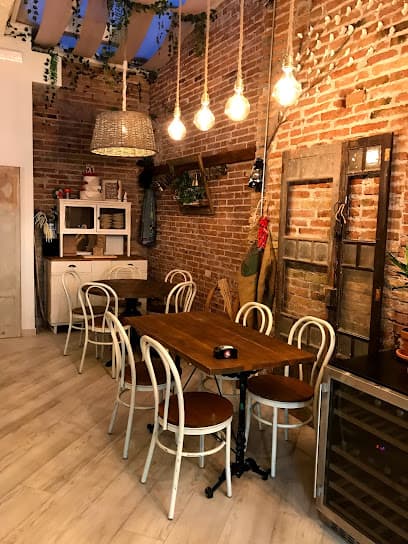
The space itself is a classic bistro—cramped, buzzing, and utterly devoid of the clinical polish found in the corporate spots nearby. There is a sense of urgency here, but it’s the good kind. The staff actually seem to give a damn, navigating the tight floor with a level of hospitality that feels personal rather than rehearsed. They call it a 'bistro,' and it lives up to the name: a small, unpretentious neighborhood joint where the food is the main event and the atmosphere is thick with the sound of people actually enjoying themselves.
Beyond the pinsa, 'la carta'—as the locals call the menu—is a tight, well-curated list of Mediterranean hits. The burrata is creamy enough to make a grown man weep, and the pastas are handled with the kind of respect usually reserved for religious relics. They offer plenty of vegetarian options that don't feel like an afterthought, which is a rarity in a city that often considers ham a vegetable. It’s healthy-ish, Mediterranean-focused, and soul-satisfying. You can taste the quality of the olive oil, the freshness of the basil, and the fact that someone in the back is actually cooking, not just reheating.
Is it perfect? No. It’s small, it’s often crowded, and if you show up without a reservation during peak hours, you’ll be standing on the sidewalk looking in like a Dickensian orphan. But that’s the price of admission for honesty in a neighborhood built on artifice. It’s a middle finger to the frozen-pizza-and-sangria-pitcher industrial complex that dominates the Eixample.
If you’re looking for a white-tablecloth experience with a view of the spires, go somewhere else and pay for the privilege of being disappointed. But if you want to sit in a room that smells of toasted grain and garlic, eating food that respects your palate and your wallet, Paisano Bistró is the only move. It’s a reminder that even in the most tourist-choked corners of the world, you can still find a seat at a table where the food actually matters. It’s a sanctuary of flour and fire in the heart of Barcelona.
Cuisine
Italian restaurant, Health food restaurant
Price Range
€20–30
What People Say
sagrada familia(232)pinsa(124)letter(30)bistro(27)genovese(23)croquettes(19)scialatielli(8)pistachio tiramisu(8)
Cuisine & Features
Italian restaurant
Health food restaurant
Mediterranean restaurant
Pizza restaurant
Vegetarian restaurant
Opening Hours
- MondayClosed
- Tuesday11 AM to 11 PM
- Wednesday11 AM to 11 PM
- Thursday11 AM to 11 PM
- Friday11 AM to 11 PM
- Saturday11 AM to 11 PM
- Sunday11 AM to 11 PM
Dietary Options
Vegetarian FriendlyVegan OptionsHealthy Options
Good For
CouplesSmall groupsSolo dinersFoodies
Why Visit
Authentic 72-hour fermented Pinsa Romana dough
Exceptional quality-to-price ratio in a high-traffic tourist area
Intimate, high-energy bistro atmosphere with personalized service
Nearby Landmarks
- 3-minute walk from Sagrada Familia
- 10-minute walk from Hospital de Sant Pau
- 5-minute walk from Sagrada Familia Metro Station
Location
Carrer de Lepant, 277
Eixample, Barcelona
In Eixample
ATTRACTION
Mural Margalef
Eixample
A towering splash of Mediterranean blue breaking the rigid geometry of Eixample, Joan Margalef’s mural is a visceral reminder that Barcelona’s soul isn't just in its museums.
0.0(0)
ATTRACTION
Mural Margalef
Eixample
A geometric middle finger to urban decay, this massive kinetic mural by Eduard Margalef turns a drab Eixample blind wall into a rhythmic, shifting explosion of optical art.
0.0(0)
ATTRACTION
Happy Foodies
Eixample
Forget the plastic-wrapped tourist traps; this is a deep dive into the grease, garlic, and soul of Catalan cooking where you actually learn to handle a knife and a porrón.
0.0(0)
Frequently Asked Questions
Is Paisano Bistró worth visiting?
Absolutely. It is one of the few authentic, high-quality dining options near the Sagrada Familia that avoids tourist-trap clichés, specifically famous for its Roman-style pinsa.
What is the difference between pizza and the pinsa at Paisano Bistró?
Pinsa uses a blend of rice, soy, and wheat flour with a 72-hour fermentation process, resulting in a much lighter, crispier, and more digestible crust than traditional pizza.
Do I need a reservation for Paisano Bistró?
Yes, reservations are highly recommended. The space is intimate and fills up quickly with both locals and savvy travelers, especially during dinner hours.
Is Paisano Bistró good for vegetarians?
Yes, it's an excellent choice for vegetarians. They offer a wide variety of meat-free pinsas, fresh salads, and Mediterranean dishes that are highly rated.
Reviews
0 reviews for Paisano Bistró
No reviews yet. Be the first to share your experience!