4.7
354 verified reviews
About
Forget the Gothic Quarter. Forget the overpriced tapas joints where the ham looks like it was sliced by a machine in a factory in New Jersey. If you want to actually feel something, you get on the L1 or L5 and you head to Sants. This isn't the Barcelona of the postcards; it’s the Barcelona of the people who actually live here, work here, and—increasingly—fight to stay here. Tucked away on Carrer del Guadiana is Abarka, and it is quite possibly the most important meal you will have in this city.
Abarka isn't just a restaurant; it’s a cooperative. It’s a project born from the grit and necessity of the migrant experience. These aren't just cooks; they are people who have navigated the labyrinth of Spanish bureaucracy and decided to build something of their own. When you walk in, you aren't greeted by a host with a headset and a fake smile. You’re greeted by the smell of ginger, caramelized onions, and the deep, earthy funk of fermented fish—the unmistakable calling card of West Africa.
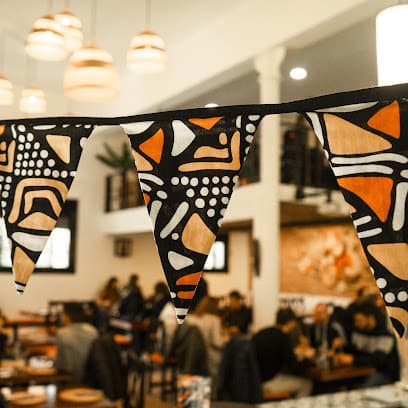
The room is simple, unpretentious, and humming with a kind of energy you don't find in the Eixample. It’s the sound of community. You’ll see locals from the barrio, members of the Senegalese diaspora, and the occasional food nerd who knows that the best African food in Barcelona isn't found on a main drag. There’s no PR firm behind this place, no 'concept' other than feeding people the food of home with dignity and skill.
Let’s talk about the Thieboudienne. It’s the national dish of Senegal, and here, they treat it with the reverence it deserves. It’s a complex, multi-layered beast of a dish: broken rice stained deep red by tomato and spices, served with a hunk of fish and vegetables that have been simmered until they’ve surrendered all their secrets. It’s a dish that demands you slow down. Then there’s the Maafe. If you think you know peanut stew, think again. This is a rich, velvety, soul-coating experience that hits you with a slow-burn heat. It’s the kind of food that makes you want to put down your phone and actually talk to the person across from you.
Don't skip the drinks. Order the Bissap, a vibrant, tart hibiscus infusion that cuts through the richness of the stew, or the Bouye, made from the fruit of the baobab tree. It’s thick, creamy, and tastes like something ancient and vital. For starters, the Fatayas—crispy little pastries stuffed with spiced meat or fish—are mandatory. They arrive hot, grease-flecked, and perfect.
Is the service fast? Not always. Is it polished? No. But that’s the point. Abarka operates on its own rhythm. It’s a place that values the human connection over the turnover of tables. It’s honest, it’s raw, and it’s a reminder that the best things to do in Sants usually involve sitting down and listening to someone else's story through their cooking.
The verdict is simple: if you’re looking for a 'gastronomic adventure' to post on your feed, go somewhere else. But if you want to eat food that has a reason for existing, food that supports a community and tastes like a revelation, get to Abarka. It’s a protein rush for the soul, a clean high of spice and solidarity eaten in a neighborhood that still feels like the real Barcelona. It’s not just a meal; it’s a privilege.
Price Range
€10–20
What People Say
african food(20)taste(16)maafe(10)senegalese cuisine(7)smile(7)couscous(6)veal(6)vegan(5)
Opening Hours
- MondayClosed
- TuesdayClosed
- Wednesday12:30 to 4:30 PM, 8 PM to 12 AM
- Thursday12:30 to 4:30 PM, 8 PM to 12 AM
- Friday12:30 to 4:30 PM, 8 PM to 12 AM
- Saturday12:30 to 4:30 PM, 8 PM to 12 AM
- Sunday12:30 to 4:30 PM, 8 PM to 12 AM
Dietary Options
Vegetarian optionsVegan optionsHalal
Good For
Solo dinersSmall groupsFood enthusiastsBudget-conscious travelers
Why Visit
Migrant-led culinary cooperative focused on social impact
Authentic West African flavors using traditional Senegalese techniques
Located in the unpretentious, local neighborhood of Sants
Nearby Landmarks
- 3-minute walk from Plaça de Sants
- 10-minute walk from Barcelona Sants Station
- 15-minute walk from Plaça d'Espanya
Location
Carrer del Guadiana, 28
Sants-Montjuïc, Barcelona
In Sants-Montjuïc
ATTRACTION
Bolets1
Sants-Montjuïc
A gritty, earthy temple to the Catalan obsession with wild mushrooms, where the dirt is real, the fungi are seasonal gold, and the air smells like the damp floor of a Pyrenean forest.
0.0(0)
ATTRACTION
Montjuic aparca
Sants-Montjuïc
The unglamorous base camp for your Montjuïc assault. A tactical slab of asphalt where the city's chaos fades into the pine-scented ghosts of the 1992 Olympics.
0.0(0)
ATTRACTION
Паркінг Барселона
Sants-Montjuïc
A sprawling slab of industrial reality in the Zona Franca. No Gaudí here—just hot asphalt, diesel fumes, and the honest utility of a secure place to park your rig.
0.0(0)
Frequently Asked Questions
Is Abarka worth visiting?
Absolutely. It offers some of the most authentic Senegalese cuisine in Europe and operates as a social cooperative, meaning your meal supports migrant integration and food sovereignty in Barcelona.
What should I order at Abarka?
The Thieboudienne (fish and rice) is the star, but the Maafe (peanut stew) is equally essential. Pair them with a glass of Bissap or Bouye juice for the full experience.
How do I get to Abarka?
The restaurant is a 3-minute walk from the Plaça de Sants metro station (L1 and L5 lines) and about 10 minutes from the Barcelona Sants train station.
Do I need a reservation for Abarka?
It is highly recommended, especially on weekends, as the space is intimate and popular with locals. You can usually book via their Instagram or by calling +34 936 27 79 06.
Reviews
0 reviews for Abarka Restaurant
No reviews yet. Be the first to share your experience!