
About
Welcome to the modern age of travel, where the most significant 'monument' you might encounter isn't a crumbling Gothic cathedral or a psychedelic Gaudí masterpiece, but a sleek, grey, unblinking eye mounted on a pole. This is the ZBE Cámara on Rambla de Badal, 1. It is not a tourist attraction in any sense that would make a sane person happy, yet here it is, etched into the digital maps of our lives. It is a monument to the 'Zona de Baixes Emissions'—the Low Emission Zone—and it is the most expensive photo you will ever have taken in Barcelona.
Let’s be clear: nobody comes here for the view. You are standing at the edge of Sants-Montjuïc, where the city’s industrial heart beats against the concrete ribs of the Gran Via. The air here doesn't smell of sea salt or roasting coffee; it smells of progress, rubber, and the desperate hustle of a Monday morning commute. The 'attraction' itself is a high-definition surveillance camera designed to read your license plate and cross-reference it with a database of environmental sins. If your car doesn't have the right sticker—the DGT environmental badge—this camera will find you. It doesn't sleep, it doesn't take siestas, and it certainly doesn't care about your excuses.
The experience of 'visiting' the ZBE Cámara is one of pure, distilled anxiety. You drive past, perhaps catching a glint of glass in your rearview mirror, and for the next three weeks, you play a fun game of 'Will I get a 200-euro fine in the mail?' It’s a visceral thrill, a protein rush of adrenaline to the cortex, but without the satisfaction of a good meal at the end. It represents the new Barcelona: a city trying desperately to scrub its lungs clean while simultaneously taxing the very people who keep its gears turning.
If you find yourself wandering down Rambla de Badal, you’ll see the real Barcelona. Not the one in the brochures, but the one where people actually live. There are no souvenir shops selling plastic bulls here. Instead, you have the roar of traffic from the Gran Via, the functional architecture of the Magòria-La Campana area, and the quiet, gritty resilience of a neighborhood that has seen better days and worse ones. The camera sits there like a silent judge over it all. It is the ultimate anti-tourist trap. It doesn't want your business; it wants your compliance.
Is it worth visiting? Only as a cautionary tale. It is a reminder that the city is a living, breathing, and increasingly regulated organism. If you’re a fan of Orwellian aesthetics or the cold efficiency of municipal revenue collection, by all means, pull over and take a look. But for the love of everything holy, do it on foot. Or better yet, take the Metro. The L8 at Magòria-La Campana is just a few steps away, and it won't send you a bill for your carbon footprint. This is the part of Barcelona that doesn't care if you like it. It’s raw, it’s functional, and it’s watching you. In a world of curated experiences and 'must-see' lists, there’s something perversely honest about a traffic camera. It is exactly what it says it is: a tool of the state, perched on a pole, waiting for you to mess up.
Type
Tourist attraction
Features
Tourist attraction
Categories
SurveillanceUrban PlanningTraffic Enforcement
Opening Hours
- MondayOpen 24 hours
- TuesdayOpen 24 hours
- WednesdayOpen 24 hours
- ThursdayOpen 24 hours
- FridayOpen 24 hours
- SaturdayOpen 24 hours
- SundayOpen 24 hours
Accessibility
- Viewable from the sidewalk
- Wheelchair accessible area
Location
Rambla de Badal, 1
Sants-Montjuïc, Barcelona
Nearby
ATTRACTION
Drop-in
200 m · Sants-Montjuïc
An industrial cathedral of plywood and adrenaline where Barcelona’s skate soul survives, far from the polished marble and postcard-perfect plazas of the city center.
0.0(0)
Tourist attraction
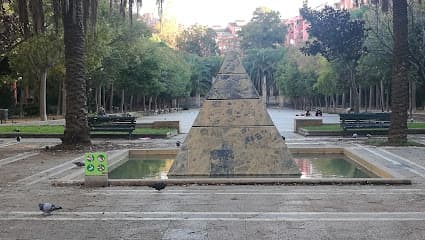
ATTRACTION
Parc de Can Sabaté
350 m · Sants-Montjuïc
Forget the Gaudí crowds; this is a geometric, post-industrial slab of real Barcelona where the water runs cold and the neighborhood’s working-class soul actually gets a seat.
4.0(946)
ParkTourist attraction
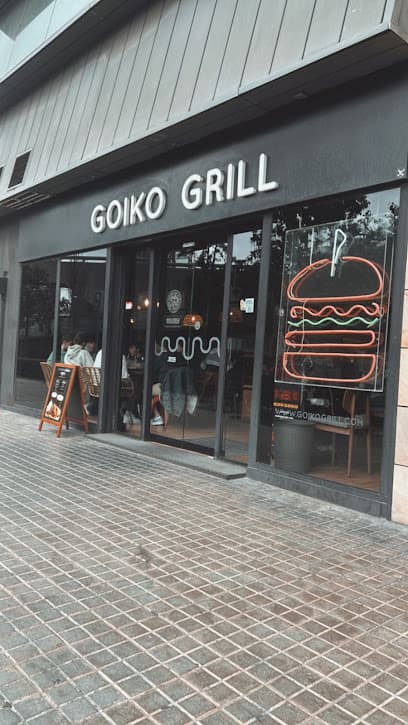
RESTAURANT
Goiko
€€100 m · Sants-Montjuïc
A messy, high-octane burger joint where the Kevin Bacon isn't just a name—it's a lifestyle. Expect loud music, industrial vibes, and some of the best beef in Sants-Montjuïc.
4.2(4K)
Hamburger restaurantFast food restaurant
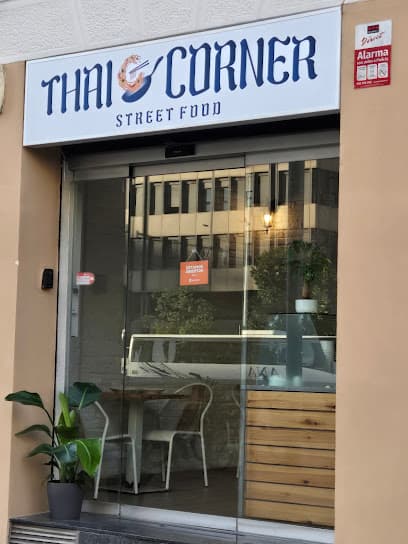
RESTAURANT
Thai Corner Kitchen - Barcelona
€€100 m · Sants-Montjuïc
A no-nonsense sanctuary on the edge of Sants where the wok breath is real, the chilies bite back, and the Pad Thai isn't some watered-down tourist trap afterthought.
4.8(69)
Thai restaurantAsian restaurant
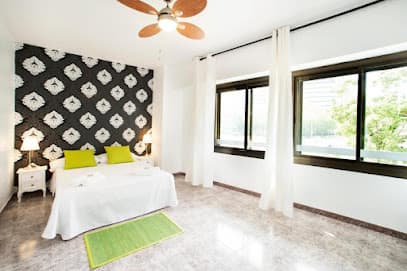
HOTEL
Fira Guest House
€150 m · Sants-Montjuïc
A two-star guest house with kitchens in some units on Avinguda del Carrilet in Sants-Montjuïc, rated 2.8 from 149 mixed Google reviews.
2.8(149)
Holiday apartment
HOTEL
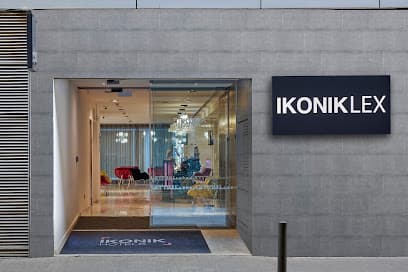
Ikonik Lex
€350 m · Barcelona
A sharp, minimalist refuge on the edge of the city where law and business collide. It’s clean, it’s quiet, and the metro is your lifeline to the beautiful chaos of central Barcelona.
4.0(868)
Hotel
Frequently Asked Questions
Is ZBE Cámara worth visiting?
No, unless you are interested in urban surveillance. It is a traffic enforcement camera, not a traditional tourist site.
What is the ZBE in Barcelona?
The Zona de Baixes Emissions (ZBE) is a restricted area where vehicles without an environmental label are prohibited from driving during weekdays from 7:00 AM to 8:00 PM.
How much is the fine if caught by the ZBE camera?
Fines for entering the ZBE with a restricted vehicle typically start at €200, though they can vary based on the vehicle type and current regulations.
How do I get to Rambla de Badal, 1?
The easiest way is via the FGC train to Magòria-La Campana or by taking the Metro to Santa Eulàlia (L1) and walking about 10 minutes.
Reviews
0 reviews for ZBE, Cámara
No reviews yet. Be the first to share your experience!