3.8
5 verified reviews
About
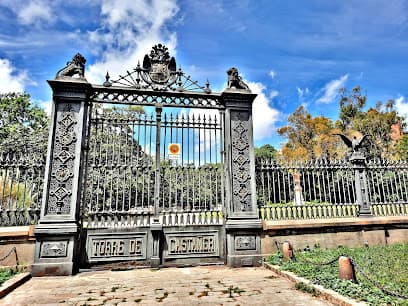
Sant Gervasi is not the Barcelona they put on the postcards. There are no neon lights, no crusty backpackers stumbling through the streets with liter-sized sangrias, and mercifully, very few selfie sticks. This is the part of town where the old money went to hide behind high walls and wrought-iron gates, up where the air is supposedly thinner and definitely more expensive. Torre De Castañer, sitting at Passeig de Sant Gervasi 5, is the architectural embodiment of that quiet, slightly suffocating elegance. It’s a place that doesn’t care if you visit it or not, which is exactly why it’s worth the trek.
Designed by Enric Sagnier—the architect the Catalan bourgeoisie actually hired when they wanted to look respectable, while Gaudí was busy being a madman—the villa is a masterclass in late 19th-century eclecticism. It’s solid, neoclassical, and imposing. It’s the kind of place built for people who owned factories and didn't want to hear the noise of the workers. But the stones here have a darker, more poetic memory than just industrial wealth. This wasn't just a playground for the Marquis of Castañer; it was the final Spanish home of Antonio Machado, one of the greatest poets to ever put pen to paper in the Spanish language.
In 1938, as the Spanish Civil War was grinding toward its brutal conclusion and the Republic was collapsing, Machado was moved here for his safety. Imagine the scene: one of the world’s most sensitive souls, living in this grand, silent villa while the world outside was literally on fire. He spent his last months in Spain walking these gardens, probably looking at the same trees you see today, waiting for the inevitable end. He left here in January 1939, heading for the French border, only to die a few weeks later in Collioure. When you stand in front of the Torre, you aren't just looking at a nice building; you’re looking at the departure lounge for a dying era of Spanish intellectualism.
The atmosphere in this corner of Sarrià-Sant Gervasi is heavy with that kind of melancholy. The building is currently used by the Fundació 'la Caixa' for social programs, so don't expect to go wandering through the bedrooms or finding a gift shop selling Machado-themed bookmarks. This is a site for external observation and internal reflection. The gardens, though technically categorized as a park, feel more like a preserved fragment of a lost world. They are quiet—unnervingly so for Barcelona—and the shade of the old trees offers a cool respite from the Mediterranean sun that feels almost tomb-like.
Is it worth the trip? If you’re looking for a 'gastronomic adventure' or a 'vibrant atmosphere,' absolutely not. You’ll be bored out of your mind within five minutes. But if you want to understand the layers of this city—the parts that aren't for sale to the highest bidder—then yes. It’s a place to stand, breathe in the scent of damp earth and old stone, and think about the poets and the ghosts. It’s a reminder that Barcelona is a city of tragedies as much as it is a city of triumphs. Come here when you’re tired of the noise, when the Gothic Quarter feels too much like a theme park, and you need to remember that history actually happened here, and it wasn't always pretty.
Type
Park
Duration
30-45 minutes
Best Time
Late afternoon when the light hits the neoclassical facade and the neighborhood is at its quietest.
Features
Park
Categories
ArchitectureHistoryLiteratureSagnier
Ticket Prices
Free Admission
No tickets required
Must-See Highlights
The commemorative plaque dedicated to Antonio Machado
The intricate neoclassical detailing on the facade by Enric Sagnier
The ancient trees in the surrounding estate gardens
Visitor Tips
Combine this with a visit to the nearby CosmoCaixa or a walk up to Tibidabo.
Bring a book of Machado's poetry to read while sitting in the nearby Putxet gardens.
Don't expect a museum experience; this is a site for architectural and historical appreciation from the outside.
Good For
History buffsArchitecture enthusiastsLiterature loversSolo travelers seeking quiet
Why Visit
Final Spanish residence of legendary poet Antonio Machado
Masterpiece by Enric Sagnier, Barcelona's most prolific bourgeois architect
A rare, quiet glimpse into the 19th-century aristocratic life of Sant Gervasi
Nearby Landmarks
- CosmoCaixa Science Museum (10-minute walk)
- Jardins del Turó del Putxet (8-minute walk)
- Tibidabo Funicular Lower Station (12-minute walk)
Accessibility
- Viewable from public sidewalk
- Paved surrounding streets
- Limited access to interior
Location
Pg. de St. Gervasi, 5
Sarrià-Sant Gervasi, Barcelona
Nearby Hotels
Nearby Restaurants
In Sarrià-Sant Gervasi
ATTRACTION
Casa Narcís Bosch
Sarrià-Sant Gervasi
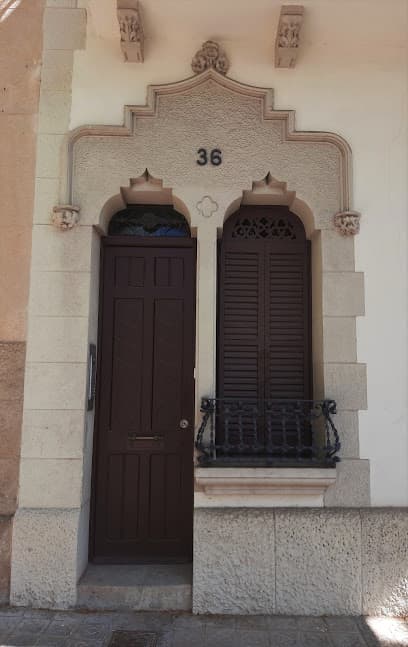
A Modernista fever dream tucked away in Sarrià, where Salvador Valeri i Pupurull’s stone curves and ironwork prove that Gaudí wasn't the only genius in town.
0.0(0)
Tourist attraction
ATTRACTION
Plaça de Calvó
Sarrià-Sant Gervasi
A quiet, unpretentious slice of Sant Gervasi where the only drama is a toddler losing a shoe. No Gaudí, no crowds, just trees, benches, and the sound of real life in the Zona Alta.
0.0(0)
Park
ATTRACTION
Pipican Piscines i Esports
Sarrià-Sant Gervasi
A dirt-caked arena of canine chaos set against the polished backdrop of Sarrià-Sant Gervasi, where the neighborhood’s elite and their four-legged shadows come to settle scores.
0.0(0)
Park
Frequently Asked Questions
Is Torre De Castañer open to the public?
The interior of the villa is currently used by a private foundation and is generally not open for tourist visits. However, the exterior architecture and the surrounding garden areas can be viewed from the street and public access points.
What is the historical significance of Torre De Castañer?
It was designed by the famous architect Enric Sagnier and served as the final residence of the renowned Spanish poet Antonio Machado during the Spanish Civil War (1938-1939) before he went into exile.
How do I get to Torre De Castañer?
The easiest way is to take the FGC (Ferrocarrils) to the El Putxet or Avinguda Tibidabo stations. It is a short walk from either station in the Sant Gervasi neighborhood.
Reviews
0 reviews for Torre De Castañer
No reviews yet. Be the first to share your experience!