4.4
22,407 verified reviews
About
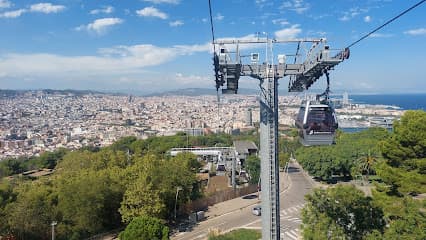
Let’s be honest: hanging from a steel cable in a glass box is a tourist cliché as old as time. But in Barcelona, the Telefèric de Montjuïc manages to justify its existence by offering a perspective you can’t get from the cramped alleys of the Gòtic or the polished boulevards of Eixample. It’s a 750-meter ascent that pulls you away from the noise of the city and dangles you over the green lungs of Montjuïc hill, eventually depositing you at the gates of a 17th-century fortress that’s seen more blood and history than most of us would care to contemplate.
The journey starts at the Parc de Montjuïc station. You’ve likely arrived here via the Funicular from Paral·lel—a subterranean climb that feels like a secret passage. Once you step into the cable car, the floor drops away. This isn't just about looking at the Sagrada Família looking like a miniature sandcastle in the distance; it’s about the port. From up here, you see the industrial heart of Barcelona—the massive cranes, the shipping containers stacked like Lego bricks, and the ferries churning up the Mediterranean. It’s a reminder that this city wasn't built on tapas and sunshine alone; it was built on trade, sweat, and the sea.
There are three stops on this aerial loop: Parc de Montjuïc, Mirador, and Castell. The Mirador stop is where you get those postcard-perfect shots of the coastline, but the real destination is the summit. Montjuïc Castle sits up there like a silent sentinel. It’s a grim, imposing structure that has served as a military base, a prison, and a site of executions. Today, it’s mostly a place for tourists to wander the ramparts and wonder how anyone ever managed to invade this place. The 360-degree views from the top are the best in the city, period. You can see the entire grid of the Eixample, the Tibidabo mountain in the distance, and the endless blue of the sea.
Is it a bit of a racket? Sure. At roughly sixteen Euros for a round trip, it’s not exactly a bargain. You’ll be surrounded by people with selfie sticks and sun hats, and the ride itself is over faster than you’d like. But there is something undeniably visceral about the silence that hits you when you’re suspended mid-air, watching the chaos of the city shrink beneath your feet. It’s a moment of clarity in a city that can often feel like a fever dream of Gaudí curves and neon lights.
My advice? Don’t just ride it up and back like a mindless commuter. Take the cable car to the top, explore the castle, soak in the heavy history of the place, and then walk your way back down. The descent through the Jardins de Joan Brossa and the Mossèn Costa i Llobera Gardens is where the real magic happens. You’ll find quiet corners, hidden viewpoints, and a sense of peace that the crowded cable car station can’t provide. It’s the best way to experience the mountain—half mechanical marvel, half slow-burn exploration. Just don't forget to look at the port. That’s where the soul of the city lives, even if most people are too busy looking at the cathedral to notice.
Type
Mountain cable car, Tourist attraction
What People Say
port(196)chateau(156)metro(119)gardens(108)fort(45)disfrutar(38)castle(29)olympic(22)
Features
Mountain cable car
Tourist attraction
Transportation service
Categories
TransportationPhotographyFamily Friendly
Opening Hours
- Monday10 AM to 6 PM
- Tuesday10 AM to 6 PM
- Wednesday10 AM to 6 PM
- Thursday10 AM to 6 PM
- Friday10 AM to 6 PM
- Saturday10 AM to 6 PM
- Sunday10 AM to 6 PM
Accessibility
- Fully accessible for people with reduced mobility
- Level boarding for wheelchairs
- Elevators at all stations
Location
Avinguda Miramar, 30
Sants-Montjuïc, Barcelona
Nearby
ATTRACTION
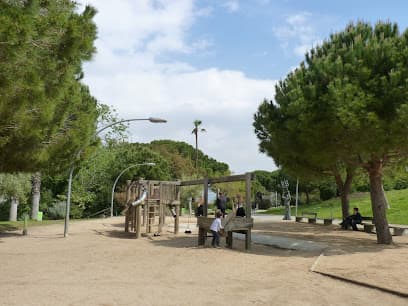
Jardins de Joan Brossa
150 m · Sants-Montjuïc
A rugged hillside park built on the bones of a defunct amusement park, where the ghosts of rollercoasters meet Mediterranean pines and surrealist Catalan poetry.
4.4(3K)
GardenPark

ATTRACTION
Anfibios y Reptiles. Sitio de Observación de Biodiversidad- Guia Digital ECOT
200 m · Sants-Montjuïc
A quiet corner of Montjuïc where the only drama is a frog hunting a fly. No gift shops, no queues, just the slow, wet pulse of Barcelona’s hidden reptilian life in the lily ponds.
5.0(2)
Tourist attraction
RESTAURANT
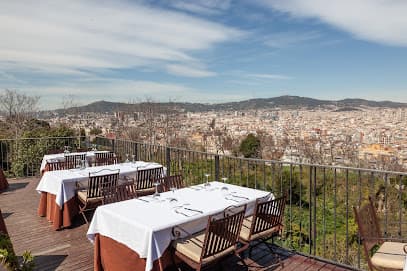
El Xalet de Montjuïc
100 m · Sants-Montjuïc
Perched on Montjuïc, this is where you go when you want the city at your feet, a glass of Priorat in hand, and a plate of cannelloni that tastes like a Catalan Sunday. Pure, elevated theater.
4.2(2K)
Mediterranean restaurantFine dining restaurant
RESTAURANT
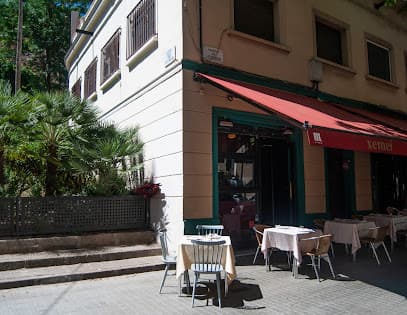
Xemei
350 m · Sants-Montjuïc
Xemei is where the Colombo twins serve up raw, unapologetic Venetian soul at the foot of Montjuïc, far from the tourist-trap pasta joints of the center.
4.4(1K)
Venetian restaurantItalian restaurant
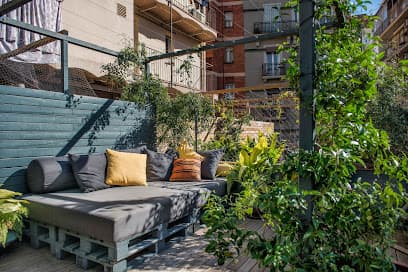
HOTEL
Hotel Brummell
€€400 m · Sants-Montjuïc
A tropical-modernist sanctuary tucked into the gritty-cool streets of Poble-sec, where the design is sharp, the pool is cold, and the mountain of Montjuïc is your backyard.
4.7(654)
Hotel
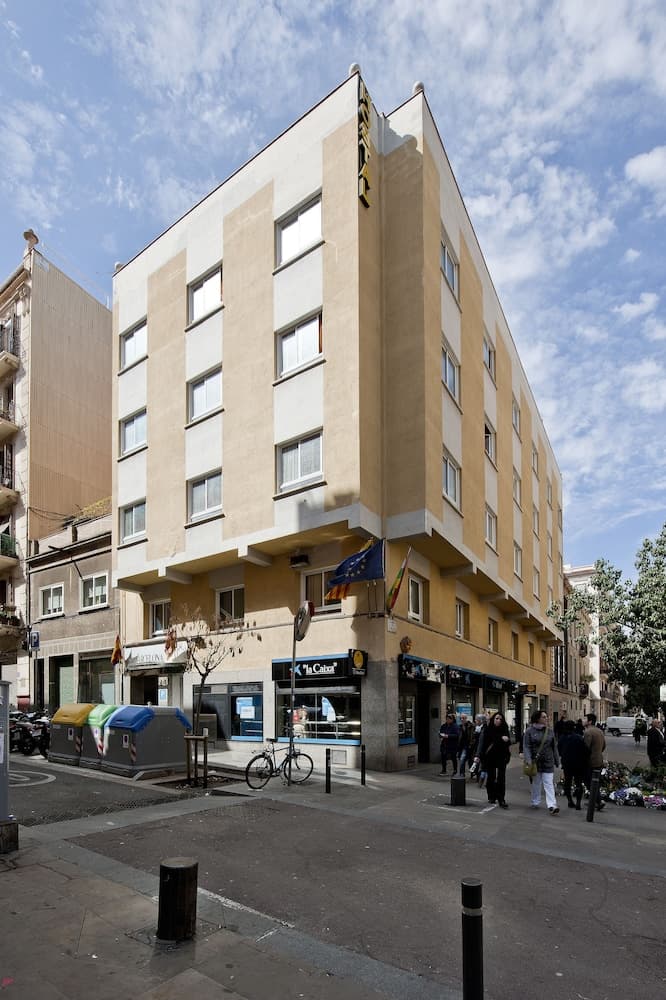
HOTEL
Hostal Barcelona
€500 m · Sants-Montjuïc
A no-frills crash pad in the heart of Poble Sec. It’s loud, the walls are thin, and the windows might face a brick wall, but the tapas on Carrer de Blai are right outside your door.
3.4(830)
Guest house
Frequently Asked Questions
Is the Telefèric de Montjuïc worth it?
Yes, if you want the absolute best 360-degree views of the city and the port without a grueling hike. While it is a tourist-heavy experience, the perspective of the industrial harbor and the Eixample grid is unmatched.
What is the difference between the Funicular and the Telefèric?
The Funicular is a mountain train that runs underground from Paral·lel metro station to the base of the park. The Telefèric is the aerial cable car (gondola) that takes you from the park base up to the Castle.
How much does the Barcelona cable car cost?
As of 2025, an adult round-trip ticket is approximately €16.00, while a one-way ticket is about €10.50. Children aged 4-12 pay a reduced rate of roughly €11.60 for a return trip.
How long do you need at the Telefèric de Montjuïc?
The ride itself takes about 10 minutes each way, but you should allocate 1.5 to 2 hours to explore the Montjuïc Castle and the surrounding viewpoints at the summit.
Reviews
0 reviews for Telefèric de Montjuïc (Barcelona Cable Car)
No reviews yet. Be the first to share your experience!