4.2
22 verified reviews
About
Most people come to Montjuïc for the Magic Fountain. They want the lights, the Freddie Mercury soundtrack, and the feeling of being part of a crowd that’s all looking at the same shiny object. If that’s your bag, fine. But if you have a soul that’s a little darker, a little more inclined toward the shadows and the damp corners of history, you keep walking. You head up Passeig de Santa Madrona, past the Archaeological Museum, and you slip into the Jardins de Laribal. This is where you find the Font d’en Satán—Satan’s Fountain.
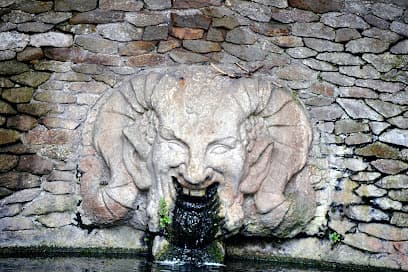
It isn’t some grand monument to the Prince of Darkness. It’s a grotesque, a stone face carved into a wall, weathered by decades of Mediterranean humidity and neglect. The devil’s face is slick with moss, his horns blunted by time, and water trickles from his mouth with a sound that’s more like a leak in an old basement than a celebratory spring. It’s weird, it’s slightly unsettling, and it’s exactly the kind of thing that makes Barcelona’s parks better than yours.
The Jardins de Laribal themselves are a masterpiece of early 20th-century landscaping, designed by Jean-Claude Nicolas Forestier and Nicolau Maria Rubió i Tudurí. They were going for a Mediterranean-Moorish vibe—lots of terracotta tiles, pergolas, and water flowing down stone stairs. But tucked away in these terraced gardens is this little piece of deviltry. Why is it here? Because the designers had a sense of humor, or perhaps because they understood that every paradise needs a snake, or at least a stone demon spitting at the passersby.
Finding it is half the fun. You wander through the rose gardens and the cypress-lined paths, listening to the city noise fade into a dull hum. You’ll likely pass the Font del Gat—the Cat’s Fountain—which is famous because of a popular Catalan song. Every tourist with a guidebook stops there. But keep pushing. Look for the darker, more overgrown corners. When you find the devil, you’ll probably be alone. There are no souvenir stands here. No one is trying to sell you a plastic glowing helicopter. It’s just you, the stone, and the slow, rhythmic drip of water.
Is it one of the best things to do in Montjuïc? That depends on what you value. If you need a plaque and a gift shop to tell you something is important, you’ll be disappointed. But if you appreciate the craftsmanship of a bygone era—the kind of era where a landscaper would spend days carving a demonic face just to surprise a wanderer—then this is the prize. It’s a reminder that Barcelona isn’t just Gaudí and beaches; it’s a city with a long, strange memory and a penchant for the macabre.
The best way to experience it is late in the afternoon, when the sun starts to dip behind the hill and the shadows in the Laribal gardens get long and heavy. The air gets cooler, the smell of damp earth and jasmine gets stronger, and the devil’s face seems to take on a bit more life. It’s a quiet, sharp encounter in a city that often feels like it’s been entirely mapped out by Instagram. This is one of the few places left that feels like a secret, even if it’s been sitting there in plain sight for a hundred years. Come here to escape the sun, the crowds, and the relentless cheerfulness of the tourist trail. Just don't expect the devil to tell you his secrets.
Type
Tourist attraction
Duration
30-45 minutes
Best Time
Late afternoon for the best shadows and atmosphere
Features
Tourist attraction
Categories
ParkSculpturePublic ArtArchitecture
Ticket Prices
Free Admission
No tickets required
Must-See Highlights
The moss-covered devil face (Font d'en Satán)
The tiled 'Escala del Generalife' water stairs nearby
The view of the city through the cypress trees
Visitor Tips
Wear comfortable shoes as the gardens are tiered and involve a lot of climbing
Combine this with a visit to the Teatre Grec and the MNAC for a full Montjuïc afternoon
Bring water; while it's a fountain, you definitely don't want to drink from the devil's mouth
Good For
Solo travelersCouplesPhotography enthusiastsHistory buffs
Why Visit
A rare, grotesque stone carving tucked away in one of Barcelona's most beautiful historic gardens
A quiet 'anti-tourist' attraction for those who prefer discovery over crowded spectacles
Located in the Jardins de Laribal, offering some of the best landscape architecture in the city
Nearby Landmarks
- 5-minute walk from MNAC (Museu Nacional d'Art de Catalunya)
- 3-minute walk from Teatre Grec
- 2-minute walk from Font del Gat
- 8-minute walk from Fundació Joan Miró
Accessibility
- The gardens have many stairs and uneven stone paths
- Limited accessibility for wheelchairs in the tiered sections
Location
Passeig de Santa Madrona, 29
Sants-Montjuïc, Barcelona
Nearby Hotels
Nearby Restaurants
In Sants-Montjuïc
ATTRACTION
Bolets1
Sants-Montjuïc
A gritty, earthy temple to the Catalan obsession with wild mushrooms, where the dirt is real, the fungi are seasonal gold, and the air smells like the damp floor of a Pyrenean forest.
0.0(0)
Tourist attraction
ATTRACTION
Montjuic aparca
Sants-Montjuïc
The unglamorous base camp for your Montjuïc assault. A tactical slab of asphalt where the city's chaos fades into the pine-scented ghosts of the 1992 Olympics.
0.0(0)
Tourist attraction
ATTRACTION
Паркінг Барселона
Sants-Montjuïc
A sprawling slab of industrial reality in the Zona Franca. No Gaudí here—just hot asphalt, diesel fumes, and the honest utility of a secure place to park your rig.
0.0(0)
Park
Frequently Asked Questions
Is Satan's Fountain worth visiting?
Yes, if you enjoy quiet, atmospheric gardens and quirky, obscure historical details. It's a great escape from the more crowded tourist spots on Montjuïc.
How do I find the Font d'en Satán?
It is located within the Jardins de Laribal on Montjuïc. Enter the gardens near the Museu d'Arqueologia de Catalunya and follow the paths toward the Font del Gat area; the devil face is tucked into a stone wall nearby.
Is there an entrance fee for the fountain?
No, the fountain is located within a public park (Jardins de Laribal) and is completely free to visit during park opening hours.
What is the best time to visit?
Late afternoon is best, as the shadows in the garden enhance the atmospheric and slightly eerie vibe of the stone carving.
Reviews
0 reviews for Satan's Fountain
No reviews yet. Be the first to share your experience!