
About
If you’re looking for a 'park' in the traditional sense—you know, the kind with chirping birds, manicured lawns, and families sharing organic kale wraps—keep walking. You’ve come to the wrong place. Plaça dels Països Catalans, known to the locals and the global skate community simply as 'Sants,' is a granite-paved middle finger to the very concept of the charming European square. It is a slab of hard, unforgiving reality sitting right at the throat of Barcelona’s main train station.
Emerging from the Sants Estació, the first thing that hits you isn't the Mediterranean breeze; it’s the heat radiating off the stone and the rhythmic, percussive 'clack-pop' of skateboards hitting the pavement. This is one of the most famous skate spots on the planet. It wasn't designed to be. When architects Helio Piñón and Albert Viaplana laid this place out in 1983, they were pioneers of the 'Plaza Dura' (Hard Plaza) movement. They wanted minimalism. They wanted a desert of stone. What they got was a high-performance stage for generations of kids with thrashed Vans and a total disregard for their own shins.
The stars of the show here are the 'Sants benches.' These aren't the kind of benches you sit on to read a book. They are long, low granite blocks, scarred and blackened by decades of wax and metal trucks. To a commuter, they’re an obstacle. To a skater from Tokyo, Los Angeles, or Berlin, they are holy relics. You’ll see them here at all hours—the pros filming lines for their next video, the locals who have been hitting these same ledges since the 90s, and the wide-eyed tourists who finally made the pilgrimage.
There is a specific, gritty energy here that you won't find at the Sagrada Família. It’s the friction between the frantic energy of the station—thousands of people rushing to catch the AVE to Madrid or the rodalies to the coast—and the slow, repetitive focus of the skaters. One group is obsessed with time; the other has completely forgotten it exists. The air tastes like diesel exhaust and cheap beer, and the sun reflects off the metal awnings with a blinding, industrial intensity. It is beautiful in its ugliness.
Don’t expect amenities. There are no kiosks selling overpriced gelato. If you’re thirsty, you find a 'paki' shop in the side streets of Sants-Montjuïc or use the station's facilities. The 'greenery' is limited to a few lonely, architectural trees that look like they’re holding their breath. But that’s the point. This is Barcelona stripped of its Gaudí-tinted glasses. It’s a place of movement, of failure, and of the occasional, glorious moment of landing a trick that’s been haunting you for months.
Is it worth visiting? If you care about urban culture, if you want to see how a city actually breathes when the tourists aren't looking, or if you just appreciate the brutal honesty of granite and steel, then yes. If you want a bench with a backrest and a view of a fountain, go to Parc de la Ciutadella. Sants doesn't care if you like it. It’s too busy being real. Just watch your ankles—a stray board flying at twenty miles per hour is the local version of a 'warm welcome.'
Type
Park
Features
Park
Categories
Skate SpotArchitectureUrban Space
Accessibility
- Fully wheelchair accessible (flat granite surface)
- Open public space
Location
Pl. dels Països Catalans, s/n
Sants-Montjuïc, Barcelona
Nearby
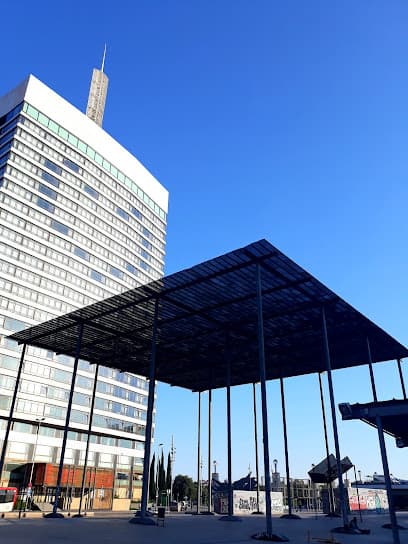
ATTRACTION
Plaça dels Països Catalans
100 m · Sants-Montjuïc
A brutalist slab of granite and steel outside Sants Station that offers no shade, no mercy, and a masterclass in 1980s 'hard square' architecture for the brave.
2.5(13)
PlazaTourist attraction
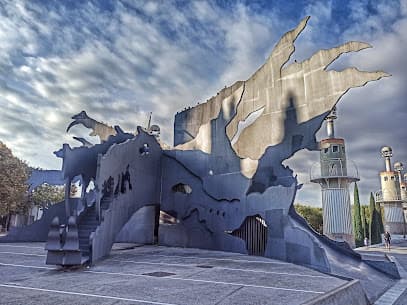
ATTRACTION
Drac de ferro
150 m · Sants-Montjuïc
A metal dragon with slides on Carrer del Rector Triadó in Sants-Montjuïc, open at all hours, rated 4.1 from 104 Google reviews.
4.1(104)
Tourist attraction
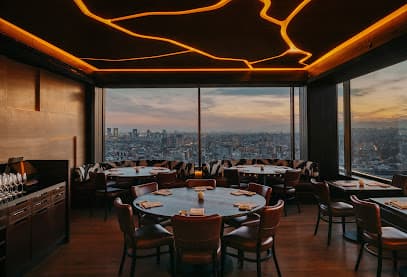
RESTAURANT
Nobu Restaurant
€€€€100 m · Sants-Montjuïc
High-altitude Japanese precision perched atop a Sants skyscraper, where the Black Cod Miso is legendary and the 360-degree views of Barcelona are worth every damn euro.
4.4(698)
Japanese restaurant
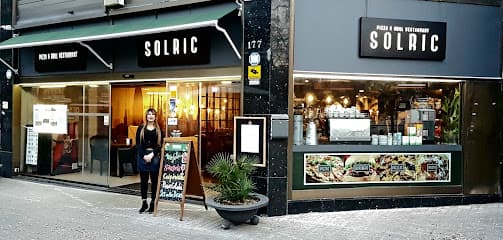
RESTAURANT
Solric - Restaurantes cerca de la Estación Sants | Restaurantes Barcelona
€€150 m · Sants-Montjuïc
A gritty, reliable sanctuary for the weary traveler near Sants Station, where the pizza is honest, the beer is cold, and the terrace offers a front-row seat to Barcelona’s transit chaos.
3.9(975)
RestaurantFamily restaurant
HOTEL
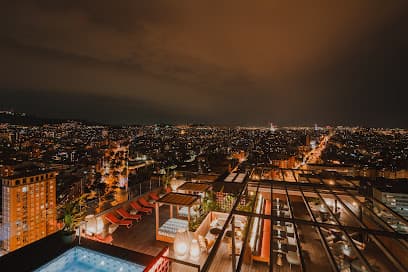
Nobu Hotel Barcelona
€€€100 m · Sants-Montjuïc
A vertical Zen sanctuary rising above the chaos of Sants Station, where minimalist Japanese luxury meets 360-degree views and the world’s most famous miso-glazed black cod.
4.3(1K)
Hotel
HOTEL
Moxy Barcelona
€€150 m · Sants-Montjuïc
Check in at the bar, grab a drink, and forget you're next to a train station. Moxy Barcelona is a neon-soaked, high-energy haunt for travelers who value a rooftop pool over a bellhop.
4.1(148)
HotelMeeting planning service
Frequently Asked Questions
Is SansSkaters a real park?
No, it is a 'Plaza Dura' or hard plaza made of granite and metal. There is very little greenery; it is primarily an urban space used by skaters and commuters.
Can anyone skate at Sants?
Yes, the plaza is a public space and is world-renowned for street skating. However, the ledges and benches are high-level, so expect to see some serious talent.
Where exactly is the skate spot located?
It is located in Plaça dels Països Catalans, directly in front of the main entrance to the Barcelona Sants railway station.
Is it safe for non-skaters?
It is safe, but you need to be aware of your surroundings. Skaters move fast and boards can fly out during failed tricks. Keep your eyes open when crossing the plaza.
Reviews
0 reviews for SansSkaters
No reviews yet. Be the first to share your experience!