About
If you’re looking for the Barcelona of postcards—the sun-drenched plazas, the dripping Gaudí spires, the smell of expensive tapas—turn around. You’re in the wrong place. The Plaza techada de la Pasarela del Molinet isn’t a destination for the faint of heart or the seeker of 'charming' vibes. This is the periphery. This is where the city’s gloss wears thin and the industrial skeleton of the Besòs basin shows its teeth. It is raw, it is loud, and it is entirely honest.
Located on the jagged edge of Sant Andreu, where the B-10 highway screams toward the coast, this covered plaza and the accompanying Pasarela del Molinet bridge represent a specific kind of urban grit. It’s a massive, functionalist canopy of concrete and steel designed to bridge the gap between the working-class neighborhood of Bon Pastor and the sprawling suburb of Santa Coloma de Gramenet. Underneath this sheltered expanse, you won't find artisanal coffee. You’ll find the rhythmic thrum of tires on asphalt above you and the sprawling, reclaimed banks of the Besòs river below.
For decades, the Besòs was a punchline—a toxic, chemical-choked artery that smelled of industrial decay. But things changed. The river was cleaned up, the concrete was softened with grass, and structures like this plaza were built to give the people of the 'barrios' a place to move. Today, the plaza serves as a gateway for cyclists, joggers, and local kids on skateboards. It’s a cathedral of the everyday, a place where the architecture doesn’t try to be pretty; it just tries to survive the elements and the exhaust.
Standing here, you feel the scale of the city. To your left, the massive chimneys of the old industrial plants rise like middle fingers against the skyline. To your right, the river flows toward the Mediterranean, flanked by green paths that seem almost defiant against the surrounding concrete. The 'plaza techada' itself provides a strange, echoing sanctuary from the sun or the rain, a brutalist porch for a neighborhood that has seen the hardest sides of Barcelona’s economic history.
Is it worth visiting? If you’re an architecture student, a street photographer, or someone who finds beauty in the unvarnished reality of urban planning, then yes. It’s one of the best urban parks in Barcelona for seeing how the city actually breathes when the tourists aren't looking. If you want to understand the 'other' Barcelona—the one that works in the warehouses and commutes across the river—you need to stand under this canopy and listen to the city roar. It’s not pretty, it’s not 'must-see' in the traditional sense, but it is real. And in a city increasingly turned into a theme park, reality is a rare and valuable commodity. Come here at dusk, when the lights of the highway start to flicker and the graffiti on the bridge piers takes on a neon glow. It’s a protein rush of pure, unadulterated urbanism.
Type
Park
Features
Park
Categories
ArchitectureUrbanismCyclingIndustrial Heritage
Accessibility
- Ramped access to the bridge
- Wide paved paths
- Flat plaza surface
Location
Carrer del Litoral B-10, 171
Sant Andreu, Barcelona
Nearby
ATTRACTION
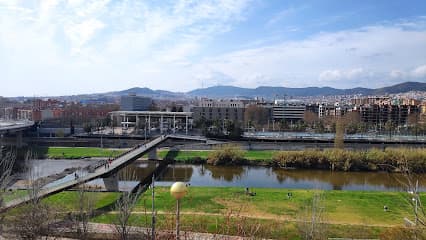
Parc del Molinet
250 m · Barcelona
A gritty, honest slice of the Besòs riverfront where industrial ghosts meet local life. No tourists, no pretense, just the unvarnished reality of the Barcelona outskirts.
4.1(524)
ParkTourist attraction
ATTRACTION
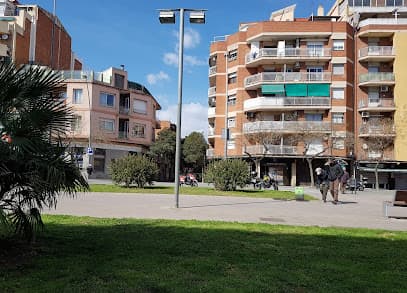
Jardins d'Isabel Domínguez Paniagua
250 m · Sant Andreu
A concrete-and-green tribute to a local firebrand, where Sant Andreu’s industrial ghosts meet the quiet, hard-earned peace of a neighborhood park that actually belongs to the people.
5.0(1)
Garden
RESTAURANT
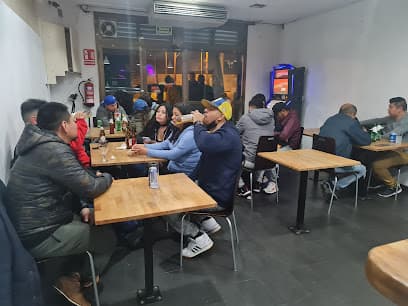
Latinúm Food & Drink ...
€€350 m · Sant Andreu
A high-octane neighborhood joint in Sant Andreu where the chicharrón is crisp, the beer is ice-cold, and the Latin spirit beats loud and proud far from the tourist trail.
4.9(18)
Restaurant
RESTAURANT
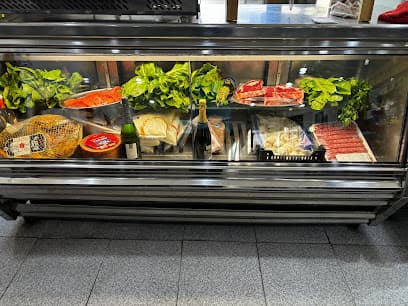
Can Martí
€€450 m · Sant Andreu
A smoke-stained temple of the 'esmorzar de forquilla' in Sant Andreu, where the grill never cools and the Thursday paella is a neighborhood rite of passage for those who know.
4.5(333)
BrasserieBreakfast restaurant
HOTEL
Catalonia La Maquinista
€800 m · Sant Andreu
Forget the Gothic Quarter's humidity and the Rambla's pickpockets. This is Barcelona for the pragmatist: clean, quiet, and parked right next to a massive open-air cathedral of commerce.
4.4(1K)
Hotel
HOTEL
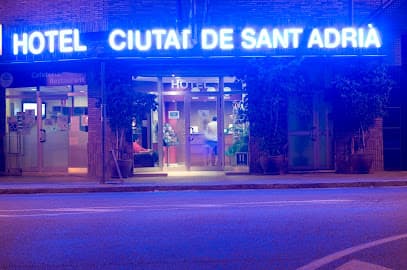
Hotel Ciutat de Sant Adrià
€1.3 km · Barcelona
A gritty, honest two-star refuge on the city’s edge where the motorway hums and the coffee is strong. It’s not a postcard, but it’s a bed for those who’d rather eat than sleep.
3.7(1K)
HotelCoffee shop
Frequently Asked Questions
Is Plaza techada de la Pasarela del Molinet worth visiting?
Only if you appreciate industrial architecture, brutalist design, or the gritty reality of Barcelona's periphery. It is not a traditional tourist site, but it offers a unique look at the city's urban renewal projects along the Besòs river.
How do I get to Pasarela del Molinet?
The easiest way is to take the Metro (L9N or L10N) to the Bon Pastor station. From there, it is about a 10-15 minute walk toward the river and the B-10 highway.
Is the area around the Besòs river safe?
Yes, the Parc Fluvial del Besòs is a popular spot for local families, joggers, and cyclists. However, like any isolated urban area, it is best to visit during daylight hours and stay aware of your surroundings.
Reviews
0 reviews for Plaza techada de la Pasarela del Molinet
No reviews yet. Be the first to share your experience!