4.0
132 verified reviews
About
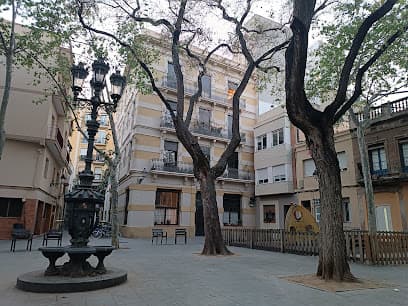
If you’re looking for the Barcelona of the postcards—the one with the sparkling mosaics and the overpriced sangria—you’ve taken a wrong turn. Plaça del Fènix isn’t interested in your vacation photos. Tucked away in the La Bordeta corner of the Sants-Montjuïc district, this is a square for the people who actually live here. It’s a concrete lung in a neighborhood that was built on the sweat of the textile industry, and it smells like laundry detergent, toasted sandwiches, and reality.
Sants has always been the city’s stubborn, working-class heart, a place that historically didn’t give a damn what the central government in Madrid or the aristocrats in Eixample thought. Plaça del Fènix embodies that spirit. It’s small, unvarnished, and framed by apartment blocks with balconies draped in laundry and 'Llibertat' banners. You won’t find a gift shop here. You won’t find a menu translated into six languages. What you will find is the unedited rhythm of a Barcelona neighborhood that refuses to be gentrified into oblivion.
The square takes its name from the Phoenix, a symbol of rebirth that’s deeply woven into the industrial lineage of Sants. Specifically, it’s tied to the old housing cooperatives that gave workers a foothold in a city that often tried to squeeze them out. Look around and you’ll see the 'Fènix' symbol—a reminder that this ground was won through collective struggle. Today, that struggle is mostly about finding a bench in the shade or keeping the kids from falling off the climbing frame. The playground is the centerpiece, a bright plastic island in a sea of grey paving stones where the next generation of Santsencs is currently screaming at the top of their lungs.
This is one of the best things to do in Sants-Montjuïc if you want to understand the city’s soul. Sit at one of the modest café terraces bordering the square. Order a 'mitjana'—a medium beer—and some olives. Don’t expect the waiter to perform for you; he’s got regulars to worry about. Watch the old men who have likely sat on these same benches since the 1970s, arguing about football or the rising price of bread with a level of passion usually reserved for blood feuds. It’s a theater of the mundane, and it’s beautiful because it’s honest.
Just a few blocks away is Can Batlló, the massive former textile factory turned autonomous cultural center. The proximity is no coincidence. This whole area is a map of Barcelona’s labor history. Plaça del Fènix is the living room for that history. It’s where the families of La Bordeta come to decompress after the workday. It’s loud, it’s a bit rough around the edges, and the pigeons are far too confident, but it’s one of the few places left where you can breathe without feeling like you’re part of a tourist demographic study.
Is it worth visiting? If you want 'pretty,' go to Park Güell. If you want to see how this city actually functions when the cameras aren't rolling, come here. It’s a reminder that the best parts of travel aren't the monuments, but the spaces between them where life actually happens. It’s a small, paved square with a metal bird on a pedestal, but in a city increasingly sold off to the highest bidder, Plaça del Fènix feels like a victory.
Type
Playground, Park
Duration
30-60 minutes
Best Time
Late afternoon (5 PM - 7 PM) when the square fills with local families and the neighborhood comes alive.
Features
Playground
Park
Categories
PlaygroundUrban SquareLocal Culture
Ticket Prices
Free Admission
No tickets required
Opening Hours
- MondayOpen 24 hours
- TuesdayOpen 24 hours
- WednesdayOpen 24 hours
- ThursdayOpen 24 hours
- FridayOpen 24 hours
- SaturdayOpen 24 hours
- SundayOpen 24 hours
Must-See Highlights
The Fènix (Phoenix) sculpture/symbol representing the neighborhood's rebirth
The local café terraces for a cheap vermut
The surrounding architecture of the La Bordeta housing cooperatives
Visitor Tips
Don't expect English menus at the nearby bars; brush up on basic Catalan or Spanish.
Combine a visit here with a walk through the nearby Can Batlló cultural complex.
It's a great spot to escape the heat and noise of the city center.
Good For
Families with childrenBudget travelersUrban explorersPeople-watching
Why Visit
Zero tourist presence for an authentic local experience
Deep connection to Sants' industrial and cooperative history
Proximity to the Can Batlló social and cultural center
Nearby Landmarks
- Can Batlló (5-minute walk)
- Parc de l'Espanya Industrial (15-minute walk)
- Carrer de Sants shopping street (12-minute walk)
- Magòria-La Campana FGC Station (6-minute walk)
Accessibility
- Flat paved surface
- Step-free access to the square
- Accessible benches
Location
Carrer d'Hartzenbusch, 24
Sants-Montjuïc, Barcelona
Nearby Hotels
Nearby Restaurants
In Sants-Montjuïc
ATTRACTION
Bolets1
Sants-Montjuïc
A gritty, earthy temple to the Catalan obsession with wild mushrooms, where the dirt is real, the fungi are seasonal gold, and the air smells like the damp floor of a Pyrenean forest.
0.0(0)
Tourist attraction
ATTRACTION
Montjuic aparca
Sants-Montjuïc
The unglamorous base camp for your Montjuïc assault. A tactical slab of asphalt where the city's chaos fades into the pine-scented ghosts of the 1992 Olympics.
0.0(0)
Tourist attraction
ATTRACTION
Паркінг Барселона
Sants-Montjuïc
A sprawling slab of industrial reality in the Zona Franca. No Gaudí here—just hot asphalt, diesel fumes, and the honest utility of a secure place to park your rig.
0.0(0)
Park
Frequently Asked Questions
Is Plaça del Fènix worth visiting?
Only if you want to see a genuine, non-touristy neighborhood square. It’s a local spot for families and retirees, offering a raw look at life in the Sants district away from the crowds.
What is there to do at Plaça del Fènix?
The square features a children's playground, several benches for people-watching, and a few local café terraces. It’s a place for a quiet beer and observing the local rhythm.
How do I get to Plaça del Fènix?
The easiest way is via the L1 Metro to Santa Eulàlia or the FGC train to Magòria-La Campana. From either station, it’s a short 5-10 minute walk through the residential streets of La Bordeta.
Is it a good place for children?
Yes, it is primarily known as a neighborhood playground. It is a safe, pedestrianized space where local kids play every afternoon after school.
Reviews
0 reviews for Plaça del Fènix
No reviews yet. Be the first to share your experience!