3.5
392 verified reviews
About
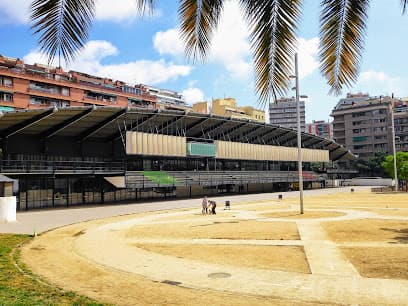
Close your eyes and you can almost hear the ghost of a mechanical rabbit whirring around the bend. This is the Plaça del Canòdrom, and back in 1962, this was where the working class of Barcelona came to lose their shirts on greyhounds. It was a place of smoke, desperation, and the kind of high-speed grace that only a dog bred for the kill can provide. Today, the dogs are still here, but they’re mostly overweight Labradors and scruffy mutts chasing tennis balls in one of the city’s most expansive 'correcans' (dog parks). The transition from a site of animal exploitation and gambling to a center for 'Digital and Democratic Innovation' is the kind of plot twist only a city like Barcelona could pull off.
Architecturally, this place is a middle finger to the ornate, melting-candle aesthetics of Gaudí that clog up the city center. Designed by Antoni de Moragas and Francesc Rius, the Canòdrom Meridiana is a masterpiece of Spanish Rationalism. Look up at that roof—a thin, elegant slab of concrete that seems to defy gravity, sheltering the stands where thousands once screamed for their bets to come in. It won the FAD Prize in 1963, and for good reason. It’s lean, functional, and beautiful in a way that doesn't need to beg for your attention. It’s the architectural equivalent of a perfectly tailored, slightly frayed suit.
When the track finally shuttered in 2006—the last greyhound track in Spain to do so—the neighborhood of Sant Andreu didn't want another luxury hotel or a sterile shopping mall. They wanted their space back. The result is a square that feels lived-in and fiercely local. You won't find many selfie sticks here. Instead, you’ll find the rhythmic thud of basketballs on the courts, the shrieks of kids on the playground, and the low-stakes drama of retirees arguing on benches. It’s a sun-baked expanse that captures the grit and honesty of a barrio that refuses to be gentrified into oblivion.
The old betting stands now house the 'Canòdrom - Ateneu d'Innovació Digital i Democràtica.' It’s a mouthful, sure, but it’s essentially a clubhouse for the future. Inside those glass walls, people are hacking away at open-source software and debating how to make the internet less of a dumpster fire. There’s something poetic about using a former gambling den to bet on the collective intelligence of the neighborhood. It’s a reminder that cities are living organisms, constantly shedding their old skins to grow something new.
Is it 'pretty'? Not in the postcard sense. The concrete is weathered, the shadows are long, and the surrounding apartment blocks are utilitarian at best. But it’s real. If you’re tired of the 'Disney-fied' version of Barcelona, take the L5 metro out to Congrés and walk a few blocks. Stand under that cantilevered roof, watch the dogs run, and feel the weight of the history. It’s a place where the past isn't erased; it’s just been given a better job to do. It’s a slice of the real Sant Andreu, served without garnish, and it’s all the better for it.
Type
Park
What People Say
dogs(31)space(22)shadow(16)games(14)square(10)bank(9)dog track(8)basket(8)
Features
Park
Categories
ArchitectureHistoryPublic SquareDog Park
Opening Hours
- MondayOpen 24 hours
- TuesdayOpen 24 hours
- WednesdayOpen 24 hours
- ThursdayOpen 24 hours
- FridayOpen 24 hours
- SaturdayOpen 24 hours
- SundayOpen 24 hours
Accessibility
- Fully wheelchair accessible open square
- Ramps available for elevated areas
Location
Carrer de Can Ros, 17
Sant Andreu, Barcelona
Nearby
ATTRACTION
Jardins de Vèlia
150 m · Sant Andreu
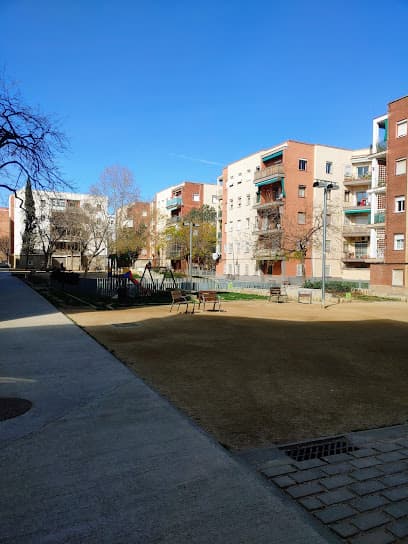
A gritty, unvarnished slice of Sant Andreu where the dogs rule the dirt and the tourists are nowhere to be found. This is the real Barcelona, stripped of its Gaudí-tinted glasses.
3.8(67)
Park
ATTRACTION
Plaça del Congrés Eucarístic
250 m · Sant Andreu
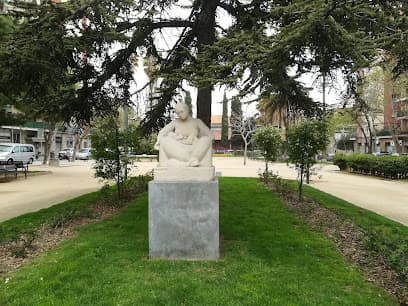
A mid-century relic of Francoist PR turned into the gritty center of gravity for Sant Andreu, where kids kick balls and old men watch the world go by under a brutalist church.
4.0(1K)
Park

RESTAURANT
Restaurante Peruano KOMERidiana
€€200 m · Sant Andreu
Forget the Gothic Quarter's overpriced tapas. On a gritty stretch of Meridiana, this is a temple to pollo a la brasa, where the skin is crisp and the ají sauce has a real, unapologetic bite.
4.2(1K)
Peruvian restaurant

RESTAURANT
Mesón Ayllu
€€250 m · Sant Andreu
A smoke-stained sanctuary in Sant Andreu where the wood-fired grill does the talking and the Galician octopus is served without a hint of irony or tourist-facing pretension.
4.3(422)
RestaurantBrasserie
HOTEL
Comfort Barcelona Rooms
€€300 m · Nou Barris
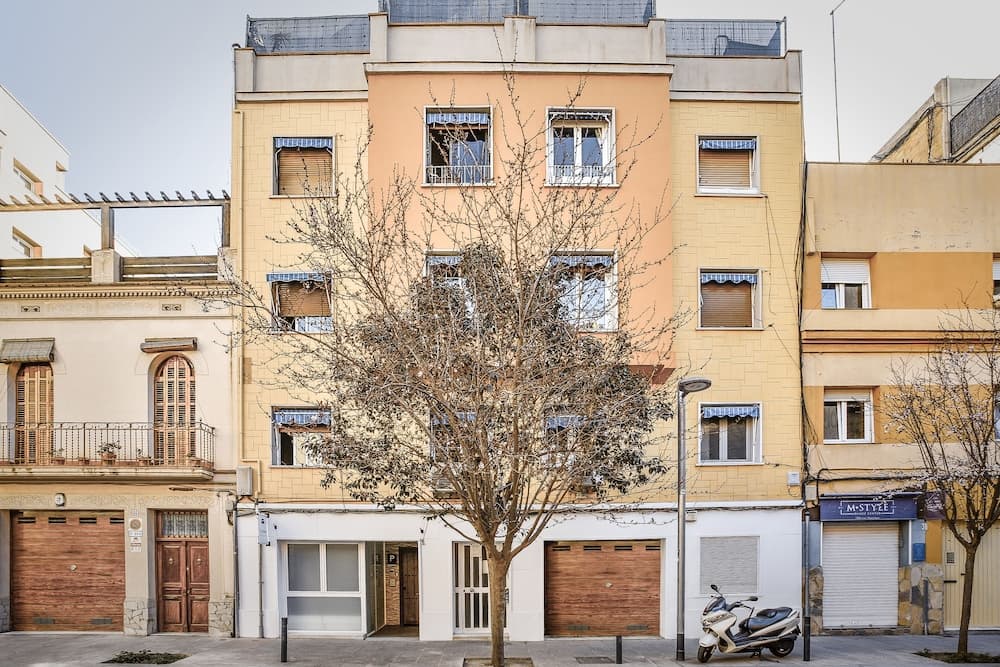
A no-frills crash pad in the gritty, real-deal neighborhood of Nou Barris. It’s cheap, it’s functional, and it’s exactly what you need when your budget is tighter than a drum.
3.8(133)
Hotel
HOTEL
Laramond Barcelona Rooms
€300 m · Nou Barris
A three-star hotel with kitchens in some rooms on Carrer de Malgrat in Nou Barris, rated 4.7 from 93 Google reviews.
4.7(93)
Hotel
Frequently Asked Questions
Is Plaça del Canòdrom worth visiting?
Yes, especially for architecture enthusiasts and those looking to escape the tourist crowds. It offers a unique look at 1960s Rationalist design and authentic neighborhood life in Sant Andreu.
What was the Canòdrom before it became a park?
It was the Canòdrom Meridiana, a premier greyhound racing track that operated from 1962 until 2006. It was the last active dog racing track in Spain.
How do I get to Plaça del Canòdrom?
The easiest way is via the Barcelona Metro. Take the L5 (Blue Line) to the Congrés station or the L1/L5/L9/L10 to Sagrera and walk about 10 minutes.
Is there an entrance fee?
No, the square and the park areas are public spaces and completely free to enter. The Innovation Center inside the stands may have specific hours for public events.
Reviews
0 reviews for Plaça del Canòdrom
No reviews yet. Be the first to share your experience!