4.2
120 verified reviews
About
In 1921, the village of Sarrià was dragged kicking and screaming into the city of Barcelona. It was the last of the independent municipalities to be annexed, and if you spend five minutes standing in the Plaça de Sarrià today, you’ll realize they never really accepted the paperwork. To the people living here, Barcelona is still 'down there'—a noisy, chaotic mess at the bottom of the hill. Up here, the air is thinner, the streets are narrower, and the pace of life is dictated by the bells of the Església de Sant Vicenç.
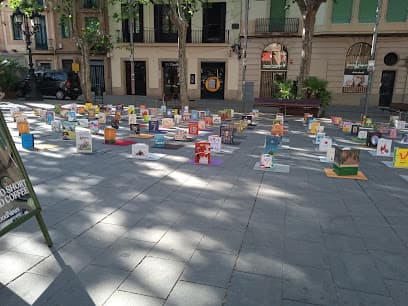
This isn't the Barcelona of the guidebooks. There are no neon signs, no guys trying to sell you plastic helicopters, and mercifully, very few selfie sticks. The Plaça de Sarrià is a masterclass in the art of the Catalan square. It’s anchored by the church, a massive, imposing pile of stone that looks like it’s been holding the neighborhood down so it doesn't float away. Inside, it smells of stale incense and centuries of quiet desperation; outside, the square is a theater of the everyday. You’ve got the 'Senyors'—the old guard of the Catalan bourgeoisie—sitting on benches with their newspapers, looking like they haven't moved since the transition to democracy. You’ve got kids kicking footballs against walls that have seen empires rise and fall.
If you’re smart, you’ll show up on a Tuesday morning. That’s when the Mercat de Sarrià—the antique market—takes over the paving stones. It’s a glorious jumble of things people used to care about: rusted keys to doors that no longer exist, yellowed postcards from the 1940s, silver spoons with the family crests of dynasties that went bust decades ago. It’s not a tourist trap; it’s a garage sale for the ghosts of the neighborhood. You can find real treasure here if you’re willing to dig through the junk and haggle with vendors who look like they’ve seen it all and aren't particularly impressed by your presence.
But the square is also about the surrounding ritual. Just a few steps away is Foix de Sarrià, a pastry shop that has been clogging the arteries of the local elite since 1886. This was the family business of the poet J.V. Foix, and the smell of burnt sugar and puffing pastry wafts across the square like a siren song. You grab a 'petisús' or a 'cremadat,' find a spot near the fountain, and just watch the world go by. It’s a quiet, steady rhythm that the rest of the city has long since forgotten.
Is it posh? Absolutely. Sarrià-Sant Gervasi is the wealthiest district in the city, and the square reflects that. The dogs are groomed, the sweaters are cashmere, and the bars serve vermouth with a level of ceremony usually reserved for religious rites. But it’s an honest kind of wealth—one that values tradition over flash. There’s a grit beneath the polish if you look for it, found in the surly service of a long-standing cafe or the way the locals guard their privacy.
Don't come here looking for a party. Come here when the noise of the Gothic Quarter starts to feel like a drill in your skull. Come here to see what Barcelona looked like before it became a global brand. It’s a place for strolling, for sitting, and for realizing that sometimes, the best thing a city can do is leave a village alone. It’s a reminder that while the rest of the world is rushing toward some digital future, there’s still a corner of the world where the most important event of the day is the arrival of the afternoon sun on a specific patch of stone.
Type
Park
Duration
1-2 hours
Best Time
Tuesday mornings for the antique market or late afternoon for the local 'passeig' (stroll).
What People Say
strolling(4)environment(3)antique(2)bar(2)
Features
Park
Categories
HistoryArchitectureLocal CultureMarket
Ticket Prices
Free Admission
No tickets required
Opening Hours
- MondayOpen 24 hours
- TuesdayOpen 24 hours
- WednesdayOpen 24 hours
- ThursdayOpen 24 hours
- FridayOpen 24 hours
- SaturdayOpen 24 hours
- SundayOpen 24 hours
Must-See Highlights
The Tuesday morning antique market stalls
The interior of the Església de Sant Vicenç de Sarrià
The historic facade of the nearby Foix de Sarrià bakery
The Font d'en Galvany fountain
Visitor Tips
Combine your visit with a trip to Bar El Tomàs for the city's most famous patatas bravas.
The square is the center of the Festa Major de Sarrià in early October, featuring human towers (castellers).
Avoid driving; parking in Sarrià is notoriously difficult and expensive. Use the FGC train instead.
Good For
History buffsAntique collectorsSlow travelersFamilies
Why Visit
Village atmosphere within a major metropolis
Authentic Tuesday morning antique and collectors market
Gateway to the historic Foix de Sarrià pastry dynasty
Nearby Landmarks
- Església de Sant Vicenç de Sarrià (1-minute walk)
- Foix de Sarrià pastry shop (1-minute walk)
- Bar El Tomàs de Sarrià (3-minute walk)
- Mercat de Sarrià food market (4-minute walk)
Accessibility
- Pedestrianized area
- Flat paved surface
- Accessible by public transport (FGC Sarrià)
Location
Plaça de Sarrià, 1
Sarrià-Sant Gervasi, Barcelona
Nearby Hotels
Nearby Restaurants
In Sarrià-Sant Gervasi
ATTRACTION
Casa Narcís Bosch
Sarrià-Sant Gervasi
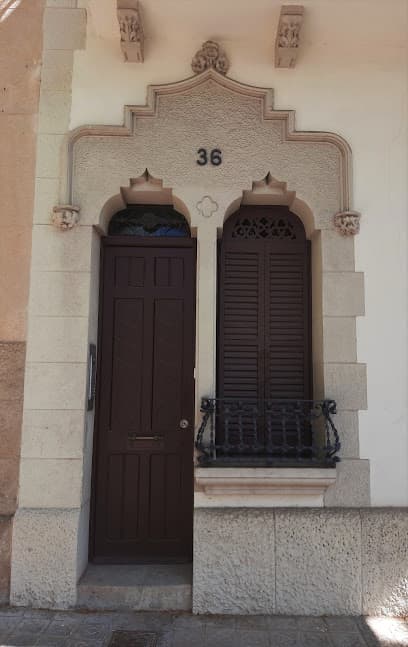
A Modernista fever dream tucked away in Sarrià, where Salvador Valeri i Pupurull’s stone curves and ironwork prove that Gaudí wasn't the only genius in town.
0.0(0)
Tourist attraction
ATTRACTION
Plaça de Calvó
Sarrià-Sant Gervasi
A quiet, unpretentious slice of Sant Gervasi where the only drama is a toddler losing a shoe. No Gaudí, no crowds, just trees, benches, and the sound of real life in the Zona Alta.
0.0(0)
Park
ATTRACTION
Pipican Piscines i Esports
Sarrià-Sant Gervasi
A dirt-caked arena of canine chaos set against the polished backdrop of Sarrià-Sant Gervasi, where the neighborhood’s elite and their four-legged shadows come to settle scores.
0.0(0)
Park
Frequently Asked Questions
Is Plaça de Sarrià worth visiting?
Yes, if you want to experience a traditional, village-like atmosphere away from the main tourist hubs. It offers a glimpse into the 'old money' side of Barcelona with great architecture and a famous weekly antique market.
When is the antique market at Plaça de Sarrià?
The antique market (Mercat de Sarrià) takes place every Tuesday morning. It is one of the best places in the city to find authentic vintage items, books, and curiosities.
How do I get to Plaça de Sarrià?
The easiest way is taking the FGC (Ferrocarrils de la Generalitat) lines S1 or S2 to the 'Sarrià' station. From there, it is a pleasant 5-minute walk up the hill through the pedestrian streets.
What should I do near Plaça de Sarrià?
Visit the Església de Sant Vicenç, try the legendary patatas bravas at Bar El Tomàs (a 3-minute walk away), and buy traditional pastries at the historic Foix de Sarrià.
Reviews
0 reviews for Plaça de Sarrià
No reviews yet. Be the first to share your experience!