4.2
94 verified reviews
About
Montjuïc is a mountain of contradictions, a sprawling green lung that has served as a fortress, a prison, a world’s fair stage, and an Olympic playground. Most tourists get stuck at the bottom, mesmerized by the choreographed neon spray of the Magic Fountain or the monumental stairs of the MNAC. But if you keep climbing, past the museums and the manicured gardens, you hit the Plaça de Sant Jordi. It’s a wide, stone-paved expanse that feels like the stage of a grand play that ended decades ago, leaving behind only the echoes and the architecture.
This isn't a place that tries to sell you anything. There are no kiosks hawking overpriced sangria, no guys in knock-off jerseys trying to sell you selfie sticks. It’s just a massive, open plateau in the heart of the Sants-Montjuïc district that demands nothing of you but your presence. The air is different up here—thinner, cooler, smelling of dry earth and the salt of the Mediterranean carried on the wind. It’s one of those rare spots in Barcelona where you can actually hear yourself think.
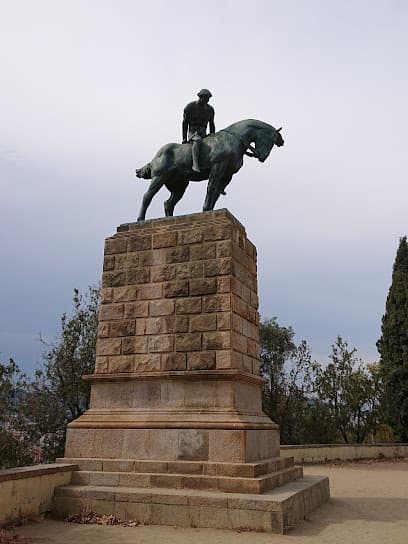
At the center of the square stands the man himself: Sant Jordi. But forget the cartoonish dragon-slayer you see on postcards. This is Josep Llimona’s bronze masterpiece, originally conceived for the 1924 exhibition. This Sant Jordi is a soldier, naked and vulnerable, standing with a weary, contemplative grace over the beast he’s just dispatched. There’s a visceral, human quality to the bronze that makes the surrounding concrete of the Olympic Ring feel suddenly fragile. It’s a reminder that while empires and sporting events come and go, the stories we tell ourselves—of courage, of sacrifice, of the struggle against the dark—are the only things that actually stick to the ribs.
The square serves as a gateway to the Anella Olímpica, the Olympic Ring. You’re flanked by the massive, high-tech dome of the Palau Sant Jordi and the hulking shell of the Estadi Olímpic. It’s a strange juxtaposition: the ancient myth of the saint standing in the shadow of 1992’s modernist dreams. On a quiet Tuesday afternoon, the scale of the place can feel almost Soviet in its emptiness, but that’s the charm. It’s a palate cleanser for the soul after the claustrophobia of the Gothic Quarter.
But the real reason you come here—the reason you sweat through your shirt on the walk up—is the light. When the sun starts its slow dive behind the Tibidabo hills, the Plaça de Sant Jordi turns into a cathedral of gold. The city below begins to glow, the Sagrada Família’s cranes looking like skeletal fingers reaching for the last of the heat. This is the best sunset in Barcelona, period. It’s not curated, it’s not ticketed, and it’s not ruined by a DJ set. It’s just the sky catching fire over a city that has seen it all before.
Is it worth the trek? If you’re the kind of person who needs a gift shop to validate your travel, probably not. But if you want to see the real Barcelona—the one that exists in the quiet moments between the tourist traps—then yes, it’s essential. Bring a bottle of water, maybe a cheap bocadillo from a bakery in Poble Sec, and sit on the stone ledge. Watch the shadows of the pine trees stretch across the pavement. This is the mountain at its most honest.
Type
Park, Tourist attraction
Duration
30-60 minutes
Best Time
Sunset for the best lighting and atmosphere.
What People Say
montjuïc(5)sunset(5)sculpture(3)photography(2)
Features
Park
Tourist attraction
Categories
ArchitectureSculpturePhotographyPublic Park
Ticket Prices
Free Admission
No tickets required
Opening Hours
- MondayOpen 24 hours
- TuesdayOpen 24 hours
- WednesdayOpen 24 hours
- ThursdayOpen 24 hours
- FridayOpen 24 hours
- SaturdayOpen 24 hours
- SundayOpen 24 hours
Must-See Highlights
The bronze Sant Jordi sculpture by Josep Llimona
The panoramic view of the Tibidabo mountain range
The modernist architecture of the nearby Palau Sant Jordi
Visitor Tips
Bring your own snacks and water; there are very few vendors in this specific part of the mountain.
Combine this with a visit to the nearby Botanical Garden or the Miró Foundation.
The walk up from Plaça d'Espanya is steep; use the outdoor escalators or the 150 bus if you aren't feeling athletic.
Good For
PhotographersBudget travelersSolitude seekersArchitecture buffs
Why Visit
Llimona's Bronze Sant Jordi: A raw, humanistic take on Catalonia's patron saint far removed from typical tourist kitsch.
Unrivaled Sunset Vistas: Offers a wide-angle view of the city and Tibidabo without the commercial noise of other viewpoints.
Olympic Legacy: Situated in the heart of the 1992 Olympic Ring, providing a sense of the city's modern architectural scale.
Nearby Landmarks
- Palau Sant Jordi (2-minute walk)
- Estadi Olímpic Lluís Companys (5-minute walk)
- Fundació Joan Miró (10-minute walk)
- Jardí Botànic de Barcelona (8-minute walk)
Accessibility
- Wheelchair accessible via paved paths
- Accessible by public bus (Line 150)
Location
Plaça de Sant Jordi, 9999
Sants-Montjuïc, Barcelona
Nearby Hotels
Nearby Restaurants
In Sants-Montjuïc
ATTRACTION
Bolets1
Sants-Montjuïc
A gritty, earthy temple to the Catalan obsession with wild mushrooms, where the dirt is real, the fungi are seasonal gold, and the air smells like the damp floor of a Pyrenean forest.
0.0(0)
Tourist attraction
ATTRACTION
Montjuic aparca
Sants-Montjuïc
The unglamorous base camp for your Montjuïc assault. A tactical slab of asphalt where the city's chaos fades into the pine-scented ghosts of the 1992 Olympics.
0.0(0)
Tourist attraction
ATTRACTION
Паркінг Барселона
Sants-Montjuïc
A sprawling slab of industrial reality in the Zona Franca. No Gaudí here—just hot asphalt, diesel fumes, and the honest utility of a secure place to park your rig.
0.0(0)
Park
Frequently Asked Questions
Is Plaça de Sant Jordi worth visiting?
Yes, if you want a quiet, contemplative space with one of the best sunset views in the city without the crowds of the Bunkers or the Magic Fountain.
How do I get to Plaça de Sant Jordi?
Take the 150 bus from Plaça d'Espanya directly to the Olympic Stadium stop, or take the Montjuïc Funicular and enjoy a 15-minute walk through the gardens.
What is the best time to visit?
Arrive about 30 minutes before sunset. The golden hour light hitting the bronze Sant Jordi statue and the panoramic views of the city are unbeatable.
Are there facilities at the square?
Facilities are limited. There are public restrooms near the Olympic Stadium, but for food and drink, you're better off bringing your own or stopping in Poble Sec before heading up.
Reviews
0 reviews for Plaça de Sant Jordi
No reviews yet. Be the first to share your experience!