
3.8
87 verified reviews
About
You won’t find this place on the back of a postcard, and that’s exactly why it matters. Plaça de Rosa Sabater isn’t trying to sell you anything. There are no t-shirt stalls, no overpriced sangria, and no guys trying to sell you selfie sticks. It’s a neighborhood square in the heart of Sant Gervasi, a part of town where the old money lives quietly behind stone walls and shuttered windows. It’s functional, it’s lived-in, and it’s named after a woman whose story is as beautiful as it is tragic.
Rosa Sabater was a titan of the piano, a Catalan virtuoso who took the works of Albéniz and Granados to the world. She died in 1983 when an Avianca Boeing 747 slammed into a hill near Madrid. She was on her way to Bogotá to perform. This plaza is what the city gave back—a small, rectangular patch of earth and pavement where life continues in the most mundane, wonderful ways. If you’re looking for the 'spectacle' of Barcelona, you’re in the wrong place. If you want to see the city’s pulse when it’s not racing, sit down.
The square itself is a tiered affair, tucked away on Carrer de Castanyer. It’s dominated by the sounds of the neighborhood: the high-pitched shriek of kids negotiating the hierarchy of the playground, the frantic barking of a Golden Retriever who’s seen a pigeon, and the distant, muffled hum of traffic from the Via Augusta. It’s shaded by trees that have seen better days but still do the job when the Mediterranean sun starts to bite. The benches are occupied by nannies keeping a watchful eye on their charges and retirees who have probably lived in the surrounding apartments since the days when Franco’s name was still on the street signs.
There’s a certain honesty to a place like this. It’s a 'pocket park,' a relief valve for a dense urban environment. The ground is a mix of hard-packed dirt and paving stones, worn smooth by decades of sneakers and strollers. It’s the kind of place where you realize that Barcelona isn’t just a museum of Gaudí buildings; it’s a place where people have to walk the dog, argue with their spouses, and let their kids burn off enough energy to actually sleep through the night. It’s the 'Upper Diagonal' version of a backyard.
Is it worth the trek? If you’re staying in the Gothic Quarter and only have forty-eight hours, probably not. But if you’ve grown tired of the human zoo on La Rambla, if you’re sick of being treated like a walking ATM, then take the FGC train up to El Putxet or La Bonanova. Walk the quiet, uphill streets where the air feels a little thinner and the buildings a little more dignified. Grab a coffee from a nearby bakery, find a spot on a bench in Plaça de Rosa Sabater, and just watch.
You’ll see the neighborhood as it is—the one that doesn't care if you're there or not. You’ll see the slow, steady rhythm of daily life and the quiet exchanges between neighbors. It’s a reminder that the most rewarding parts of travel aren’t the ones you pay for; they’re the ones you stumble into when you stop looking for 'sights' and start looking for life. It’s a quiet tribute to a woman who spent her life chasing perfection on the keys, now serving as a backdrop for the messy, imperfect, and utterly vital reality of a Barcelona neighborhood.
Type
Park
What People Say
children(11)dogs(3)
Features
Park
Categories
PlaygroundLocal SquareUrban Green Space
Opening Hours
- MondayOpen 24 hours
- TuesdayOpen 24 hours
- WednesdayOpen 24 hours
- ThursdayOpen 24 hours
- FridayOpen 24 hours
- SaturdayOpen 24 hours
- SundayOpen 24 hours
Accessibility
- Wheelchair accessible entrances
- Flat paved areas
- Benches available
Location
Carrer de Castanyer, 21
Sarrià-Sant Gervasi, Barcelona
Nearby
ATTRACTION
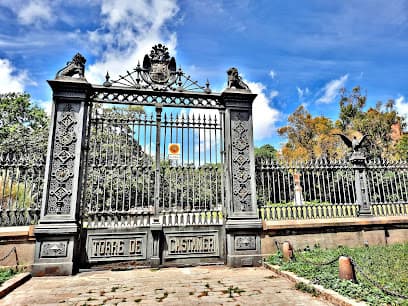
Torre De Castañer
250 m · Sarrià-Sant Gervasi
A stoic Sagnier-designed villa where the ghost of poet Antonio Machado lingers among the shadows of old-money Sant Gervasi and the echoes of the Civil War.
3.8(5)
Park
ATTRACTION
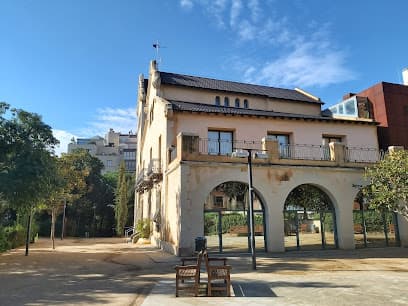
Jardins de Vil·la Florida
300 m · Sarrià-Sant Gervasi
A former aristocrat’s playground turned neighborhood sanctuary, where a futuristic library hides beneath Romantic gardens and the scent of medicinal herbs.
4.1(196)
Park
RESTAURANT
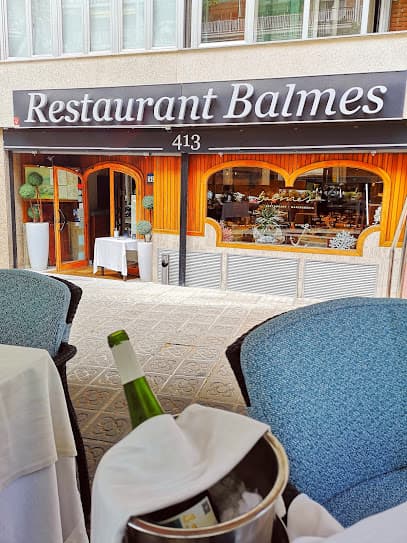
Restaurant Balmes 413 Marisquería
50 m · Sarrià-Sant Gervasi
A temple of salt and scale in Sarrià where the seafood is so fresh it still smells of the Mediterranean. No tourist fluff, just honest rice and the best shellfish in the upper city.
4.5(653)
RestaurantMediterranean restaurant
RESTAURANT
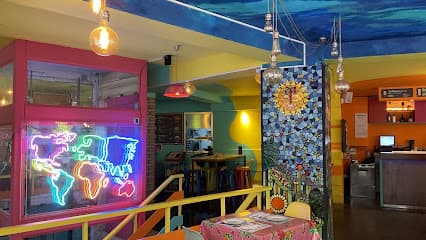
Anormal
€€100 m · Sarrià-Sant Gervasi
A neon-soaked riot of Latin American street food in Sarrià where tacos, arepas, and tequeños collide in a glorious, messy middle finger to the neighborhood's usual buttoned-up vibe.
4.1(2K)
RestaurantBar
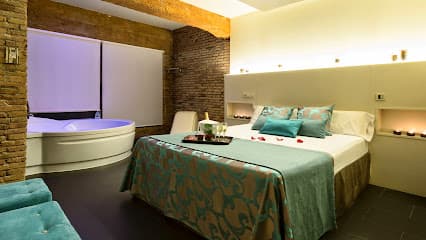
HOTEL
Luxor Barcelona Love Hotel
150 m · Sarrià-Sant Gervasi
A neon-soaked sanctuary for the discreet and the daring, where mirrors, hot tubs, and tantra chairs replace the standard hotel fluff in the posh hills of Sarrià.
4.1(179)
HotelLove hotel
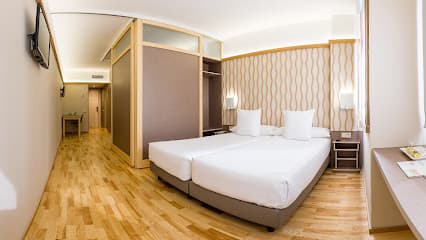
HOTEL
Bonanova Suite Hotel - WEB OFICIAL
€€250 m · Sarrià-Sant Gervasi
Escape the tourist-choked center for the quiet, residential streets of Sarrià. No-nonsense suites with kitchens for those who want to live like a local, not a target.
4.0(66)
HotelApartment building
Frequently Asked Questions
Is Plaça de Rosa Sabater worth visiting?
Only if you are looking for a quiet, non-touristy spot to experience local neighborhood life or if you have children who need a playground. It is not a major sightseeing destination.
Who was Rosa Sabater?
She was a world-renowned Catalan pianist and music teacher who tragically died in a plane crash in 1983. The plaza is named in her honor.
How do I get to Plaça de Rosa Sabater?
The easiest way is via the FGC (Ferrocarrils) train to the El Putxet or La Bonanova stations, followed by a 5-10 minute walk uphill.
Is the park good for dogs?
Yes, it is a popular spot for local dog owners, though it is a shared space with a children's playground, so dogs must be kept under control.
Reviews
0 reviews for Plaça de Rosa Sabater
No reviews yet. Be the first to share your experience!