4.2
212 verified reviews
About
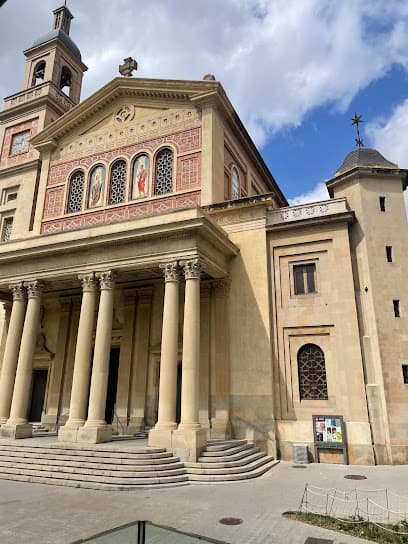
Forget the Gothic Quarter. Forget the sweat-soaked, selfie-stick-wielding crowds of the Boqueria. If you want to see where the people who actually run this city live, you head uphill. Way uphill. Plaça de la Bonanova isn't a park in the way a tourism board might describe it—there are no sprawling lawns or curated botanical wonders here. It’s a hard-paved, sun-baked urban stage set against the backdrop of the Collserola hills, dominated by a church that looks like it was built to withstand a medieval siege.
This is the heart of Sant Gervasi, a neighborhood that still carries the DNA of the independent village it once was before the city swallowed it whole in 1897. It’s the 'Zona Alta'—the high zone—where the air is supposedly thinner and the bank accounts are definitely thicker. You don't come here to tick a box on a 'best things to do in Barcelona' list; you come here to witness a ritual of local life that remains blissfully indifferent to your presence.
The centerpiece is the Parroquia de la Mare de Déu de la Bonanova. It’s a massive, neo-Renaissance pile of stone that anchors the square with a gravity that feels permanent. It’s not Gaudí-weird; it’s traditional, solid, and slightly intimidating. On Sunday mornings, the square fills with the scent of incense and the sight of multi-generational families—grandmothers in fur coats despite the Mediterranean sun, and grandchildren in perfectly pressed school uniforms. It’s a scene that hasn't changed much in fifty years, a pocket of resistance against the homogenization of the city below.
But the square is also a functional transit hub, a chaotic intersection where the city’s blue buses lurch and hiss. It’s the gateway to the prestigious private schools that line the hills above. Between 8:00 AM and 5:00 PM, the square is a sea of backpacks, teenage drama, and the frantic energy of a school run. By evening, the vibe shifts. The terraces of the surrounding bars fill up with locals who know their waiter’s name and wouldn't be caught dead in a place that serves frozen paella or sangria from a carton. This is where you find the 'pijos'—the Barcelona preppies—sipping vermouth and discussing the latest fortunes of Barça or the stock market.
Is it worth the trek? If you’re looking for a 'must-see' monument, probably not. There are no souvenir shops selling plastic bulls here. But if you want to sit on a bench, watch the light hit the weathered stone of the church, and feel the pulse of a Barcelona that doesn't care if you’re there or not, then yes. It’s honest. It’s a place for people who live here, work here, and die here. It’s the sound of a city that functions perfectly well without the validation of a travel blog.
Walk ten minutes in any direction and you’ll find the real treasures of the district. The Bellesguard house by Gaudí is a short hike away, looking like a haunted medieval castle. Or you can head toward the Putxet gardens for a view that makes the climb worth the sweat. But stay in the square for a bit first. Order a coffee, watch the old men argue about politics, and let the kids kick a ball against the church steps. This is the Barcelona that doesn't try too hard, and in a city that often feels like a theme park, that’s a rare and beautiful thing.
Type
Park
Duration
30-60 minutes
Best Time
Sunday mornings for the local atmosphere or late afternoon for terrace culture.
What People Say
square(11)kids(7)bar(6)environment(3)terrace(2)pharmacy(2)cement(2)game(2)
Features
Park
Categories
ArchitectureLocal CulturePlazaReligious Site
Ticket Prices
Free Admission
No tickets required
Opening Hours
- MondayOpen 24 hours
- TuesdayOpen 24 hours
- WednesdayOpen 24 hours
- ThursdayOpen 24 hours
- FridayOpen 24 hours
- SaturdayOpen 24 hours
- SundayOpen 24 hours
Must-See Highlights
The facade of the Parroquia de la Mare de Déu de la Bonanova
The bustling terraces during the 'hora del vermut'
The view looking up towards Tibidabo mountain
Visitor Tips
Avoid the morning school run (8:00-9:00 AM) unless you enjoy being swarmed by teenagers.
Dress slightly smarter than you would for the beach; this is a conservative, wealthy neighborhood.
Combine your visit with a trip to the nearby Bellesguard house for a full morning of architecture.
Good For
Architecture loversLocal culture seekersFamilies with kidsPeople watching
Why Visit
Authentic 'Zona Alta' atmosphere away from the tourist trail
Imposing neo-Renaissance architecture of the Bonanova Church
A genuine local crossroads where old-world Barcelona meets modern life
Nearby Landmarks
- 12-minute walk to Gaudí's Torre Bellesguard
- 15-minute walk to CosmoCaixa Science Museum
- 10-minute walk to Jardins del Turó del Putxet
Accessibility
- Fully paved square
- Wheelchair accessible ramps
- Level access to surrounding shops and cafes
Location
Pl. de la Bonanova
Sarrià-Sant Gervasi, Barcelona
Nearby Hotels
Nearby Restaurants
In Sarrià-Sant Gervasi
ATTRACTION
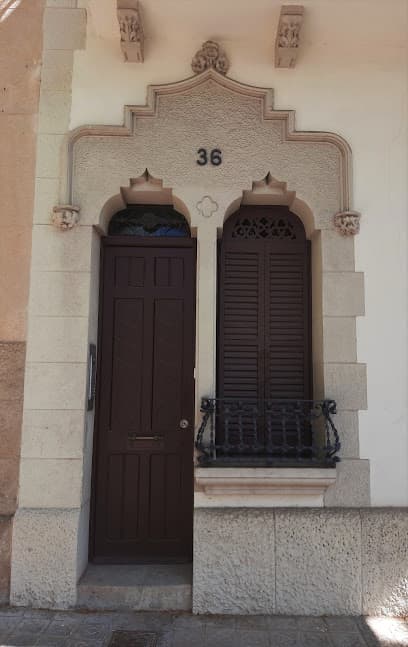
Casa Narcís Bosch
Sarrià-Sant Gervasi
A Modernista fever dream tucked away in Sarrià, where Salvador Valeri i Pupurull’s stone curves and ironwork prove that Gaudí wasn't the only genius in town.
0.0(0)
Tourist attraction
ATTRACTION
Plaça de Calvó
Sarrià-Sant Gervasi
A quiet, unpretentious slice of Sant Gervasi where the only drama is a toddler losing a shoe. No Gaudí, no crowds, just trees, benches, and the sound of real life in the Zona Alta.
0.0(0)
Park
ATTRACTION
Pipican Piscines i Esports
Sarrià-Sant Gervasi
A dirt-caked arena of canine chaos set against the polished backdrop of Sarrià-Sant Gervasi, where the neighborhood’s elite and their four-legged shadows come to settle scores.
0.0(0)
Park
Frequently Asked Questions
Is Plaça de la Bonanova worth visiting?
Yes, if you want to escape the tourist center and see the 'Upper Zone' where locals live. It offers an authentic, non-touristy atmosphere centered around a stunning historic church.
How do I get to Plaça de la Bonanova?
The easiest way is taking the FGC (Ferrocarrils) to the El Putxet or Sarrià stations, or using the V11 or 70 bus lines which stop directly in the square.
What is the main attraction in the square?
The Parroquia de la Mare de Déu de la Bonanova, a grand neo-Renaissance church, is the architectural highlight and the heart of the neighborhood's social life.
Are there good places to eat nearby?
Absolutely. The square is surrounded by traditional bars and upscale restaurants like Vivanda or El Pinar that cater to the local neighborhood crowd rather than tourists.
Reviews
0 reviews for Plaça de la Bonanova
No reviews yet. Be the first to share your experience!