4.6
88 verified reviews
About
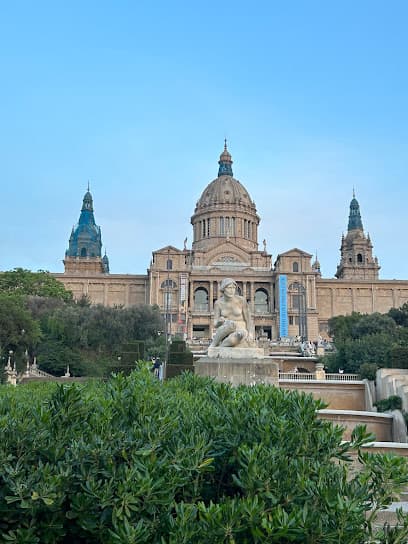
You stand at the foot of Montjuïc, and the scale of the thing hits you like a physical weight. This isn't just a square; it’s a grand, ceremonial landing pad designed to make you feel small, but also to tell you exactly where you are. Plaça de Josep Puig i Cadafalch is the architectural equivalent of a deep, resonant chord played on a pipe organ. It sits right in the crosshairs of Barcelona’s most dramatic axis, sandwiched between the tourist-clogged spectacle of the Magic Fountain and the imposing, Neo-Baroque bulk of the Palau Nacional.
But don’t let the crowds or the selfie sticks distract you from the real story here. The centerpiece of this space is 'Les Quatre Columnes'—the Four Columns. They look like ancient Roman ruins, but they are something far more interesting: a middle finger to a dictator that took eighty years to grow back. Originally erected in 1919 by the square’s namesake, the legendary Modernista architect Josep Puig i Cadafalch, these four ionic pillars were meant to represent the four stripes of the Catalan flag. They were a loud, proud statement of identity. Naturally, the dictator Primo de Rivera hated them. He had them demolished in 1928, just before the International Exposition, in a pathetic attempt to scrub Catalanism from the landscape. For decades, the square was empty, a scar on the hill. It wasn't until 2010 that they were finally rebuilt, standing tall again as a testament to the fact that you can break stone, but you can’t kill an idea.
Walking through the square today, you feel that tension between the past and the present. To your back, the Avinguda de la Reina Maria Cristina stretches toward Plaça d'Espanya, flanked by those massive Venetian towers. In front of you, the ground rises in a series of terraces and cascading water features. If you’re here during the day, the sun bakes the pale stone, and the air is filled with the sound of water and the distant thrum of the city. It’s a place of transit, where thousands of people shuffle toward the Museu Nacional d'Art de Catalunya (MNAC), most of them unaware that the ground they’re walking on was once a political battlefield.
When the sun goes down and the Magic Fountain starts its light-and-music routine, the square transforms. It becomes a theater. The mist from the fountain drifts over the pavement, cooling the air, and the columns are lit from below, casting long, dramatic shadows. It’s kitschy, sure—there’s no getting around the Disney-fication of the fountain show—but there is a genuine magic in the way the light hits the columns against the backdrop of the palace. It’s one of the best things to do in Montjuïc if you want to understand the layers of this city. You have the 1929 Expo’s grand ambition, the dark years of suppression, and the modern, vibrant Barcelona all colliding in one spot.
Is it worth visiting? Absolutely. Not just for the photo op, but for the quiet moment of reflection you can find if you step away from the main stairs. Look at the columns. Touch the stone. Think about the architect who saw his work destroyed and the people who waited nearly a century to see it restored. It’s a place that demands respect, even if the guy next to you is just trying to get the perfect TikTok of a water jet. It’s honest, it’s grand, and it’s quintessentially Barcelona—a city that remembers its history even when it’s putting on a show.
Type
Tourist attraction
Duration
30-45 minutes
Best Time
Sunset for the best light and the fountain show atmosphere.
What People Say
fountain(6)architecture(4)barcelona(3)coffee(2)
Features
Tourist attraction
Categories
ArchitectureHistoryPublic SquareModernisme
Ticket Prices
Free Admission
No tickets required
Opening Hours
- MondayOpen 24 hours
- TuesdayOpen 24 hours
- WednesdayOpen 24 hours
- ThursdayOpen 24 hours
- FridayOpen 24 hours
- SaturdayOpen 24 hours
- SundayOpen 24 hours
Must-See Highlights
Les Quatre Columnes (The Four Columns)
The view looking back toward the Venetian Towers and Tibidabo
The cascading waterfalls leading up to the MNAC
The intricate stonework of the surrounding terraces
Visitor Tips
Don't just walk through; read the plaque about the columns to understand the political history.
Use the escalators on the side if the climb feels too steep in the summer heat.
Combine this with a visit to the MNAC rooftop for the best 360-degree views of the city.
Check the fountain show times in advance to avoid disappointment, as they are often restricted due to drought protocols.
Good For
History buffsArchitecture loversPhotography enthusiastsBudget travelersFamilies
Why Visit
The Four Columns: A restored symbol of Catalan identity and resistance against dictatorship.
Strategic Vantage Point: The perfect middle ground for viewing both the Magic Fountain and the National Palace.
Architectural Pedigree: Designed by Josep Puig i Cadafalch, a titan of Catalan Modernisme.
Nearby Landmarks
- 2-minute walk from the Magic Fountain (Font Màgica)
- 5-minute walk from Museu Nacional d'Art de Catalunya (MNAC)
- 5-minute walk from Mies van der Rohe Pavilion
- 10-minute walk from Poble Espanyol
Accessibility
- Outdoor escalators available for the incline
- Paved, flat surfaces in the main square
- Wheelchair accessible from the street level
Location
Pl. de Carles Buïgas, 7-11
Sants-Montjuïc, Barcelona
Nearby Hotels
Nearby Restaurants
In Sants-Montjuïc
ATTRACTION
Bolets1
Sants-Montjuïc
A gritty, earthy temple to the Catalan obsession with wild mushrooms, where the dirt is real, the fungi are seasonal gold, and the air smells like the damp floor of a Pyrenean forest.
0.0(0)
Tourist attraction
ATTRACTION
Montjuic aparca
Sants-Montjuïc
The unglamorous base camp for your Montjuïc assault. A tactical slab of asphalt where the city's chaos fades into the pine-scented ghosts of the 1992 Olympics.
0.0(0)
Tourist attraction
ATTRACTION
Паркінг Барселона
Sants-Montjuïc
A sprawling slab of industrial reality in the Zona Franca. No Gaudí here—just hot asphalt, diesel fumes, and the honest utility of a secure place to park your rig.
0.0(0)
Park
Frequently Asked Questions
Is Plaça de Josep Puig i Cadafalch worth visiting?
Yes, it is one of the most symbolic spots in Barcelona. It offers a powerful mix of history, monumental architecture, and the best views of the Magic Fountain and the Palau Nacional.
Do I need tickets for the square or the Four Columns?
No, the square is a public space and is completely free to visit 24/7. You only need tickets if you plan to enter the MNAC museum nearby.
What is the best time to visit?
Sunset is ideal. You get the golden light on the columns and the palace, followed by the Magic Fountain show if it's running. Check the official fountain schedule as it varies by season.
How do I get to the square?
Take the Metro (L1 or L3) to Espanya. From there, it's a 10-minute walk up Avinguda de la Reina Maria Cristina. There are escalators to help with the climb toward the palace.
Reviews
0 reviews for Plaça de Josep Puig i Cadafalch
No reviews yet. Be the first to share your experience!