About
Plaça de Catalunya is the drain where all the energy of Barcelona eventually settles. It is the literal and metaphorical heart of the city, a fifty-thousand-square-meter slab of stone, fountains, and statues that serves as the border between the dark, claustrophobic veins of the Ciutat Vella and the wide, ambitious grid of the Eixample. You don’t come here for a quiet moment of reflection. You come here because the Aerobús from the airport dumped you here, blinking and jet-lagged, or because every Metro line in the city seems to converge in its subterranean belly. It is the center of the universe, and like most centers, it is loud, crowded, and slightly overwhelming.
The first thing you’ll notice—and likely smell—are the pigeons. Thousands of them. They are the true owners of this plaza, a fluttering, grey carpet of rat-birds waiting for a tourist to drop a crumb of an overpriced sandwich. There is a certain grim fascination in watching people pay for birdseed to have these creatures land on their shoulders. It’s a Hitchcockian nightmare played out in the Mediterranean sun, and it’s the quintessential Plaça de Catalunya experience. If you can navigate the square without getting clipped by a wing or a pickpocket’s wandering hand, you’re doing better than most.
Architecturally, the square is a product of the 1929 International Exposition, a massive urban project that cleared out a tangle of buildings to create this grand opening. It’s ringed by monumental buildings, most notably the massive El Corte Inglés department store, which looms over the north side like a temple to consumerism. The statues scattered around—works by Clarà and Llimona—are impressive if you can see them through the crowds, but most people are too busy looking at their maps or trying to find the entrance to the Hard Rock Cafe. It’s a place of transition, not a place of rest.
For the traveler, the square is your compass. To the south, the Rambla begins its slow, tourist-choked descent toward the sea. To the north, the Passeig de Gràcia rises with its high-end boutiques and Gaudí masterpieces. To the west, the Raval offers a glimpse into the city’s grittier, more rebellious soul. You will find yourself here multiple times a day, whether you like it or not. It’s the best place in Barcelona to people-watch, provided you have the stomach for the sheer volume of humanity passing through. You’ll see protesters with megaphones, street performers, confused backpackers, and locals moving with the grim determination of people who have seen it all before.
Don’t eat here. That’s the first rule of survival. The cafes lining the square are the definition of tourist traps, serving frozen tapas and watery sangria at prices that should be illegal. Walk five minutes in any direction—literally any direction—and you’ll find something more honest. Use the square for what it is: a magnificent, chaotic, slightly dirty nexus that tells you exactly where you are. It’s the starting line for your Barcelona story, even if that story begins with you being slightly annoyed by a pigeon. It’s raw, it’s functional, and it’s absolutely essential to the rhythm of the city. You can’t say you’ve been to Barcelona until you’ve stood in the middle of this madness and felt the city vibrating under your boots.
Type
Hiking area
Features
Hiking area
Categories
Urban SquareArchitectureTransport HubPublic Art
Accessibility
- Fully wheelchair accessible
- Elevators available for underground Metro stations
- Tactile paving for visually impaired
Location
Carrer d'Alí Bei, 80
Eixample, Barcelona
Nearby
ATTRACTION
Parc dels Til·lers
100 m · Eixample
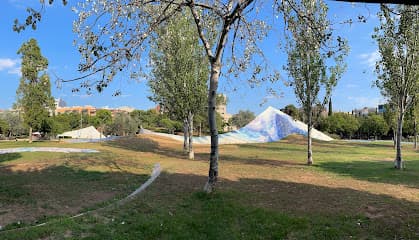
A gritty, honest slice of Eixample where the linden trees fight the exhaust and locals reclaim their sanity over a cheap beer while the dogs run wild in the dirt.
4.3(129)
Park
ATTRACTION
Parc de l'Estació del Nord
150 m · Eixample
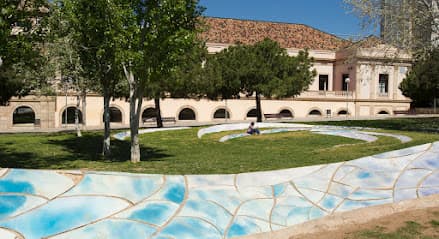
A surreal, blue-tiled landscape reclaimed from an old railway station. It’s where land art meets the grit of Eixample, and the neighborhood dogs rule the grass.
4.2(5K)
ParkTourist attraction
RESTAURANT
Contracorrent Bar
€€€150 m · Eixample
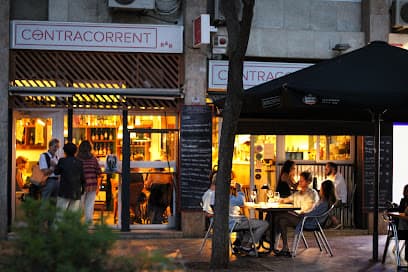
A defiant natural wine sanctuary in Fort Pienc where the platillos are sharp, the pours are funky, and the steak tartar reminds you why you still eat meat. No fluff, just soul.
4.6(774)
Wine barBar & grill
RESTAURANT
El Puestu
€€150 m · Eixample
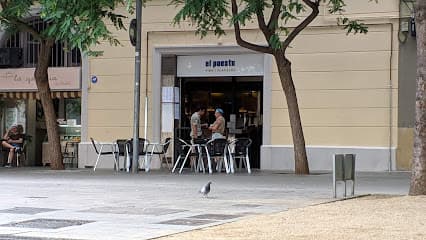
A tapas bar and bistro on Carrer de Ribes in the Eixample, open daily, rated 4.4 from 1,242 Google reviews that mention tapas and bravas.
4.4(1K)
RestaurantBistro
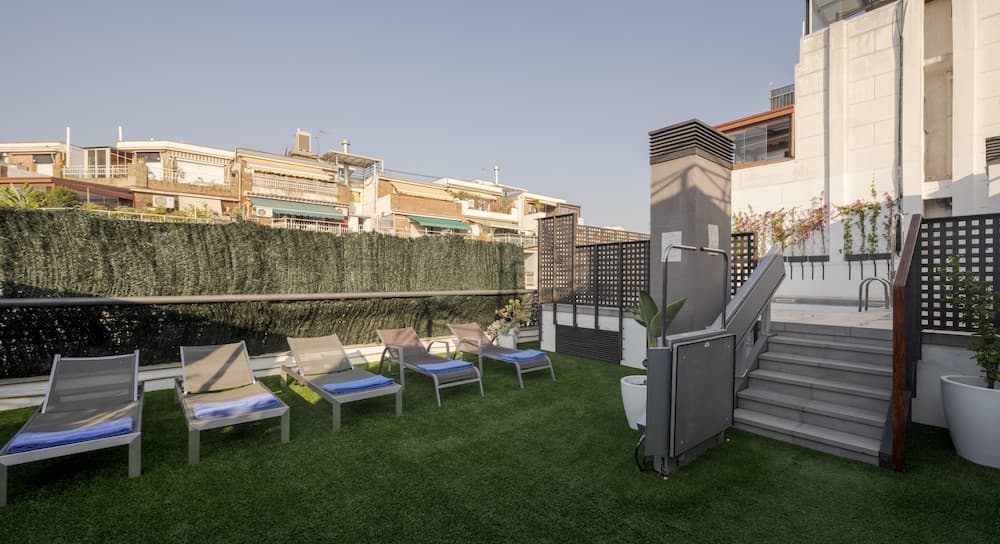
HOTEL
Hotel ILUNION Auditori
€200 m · Eixample
Forget the velvet-lined tourist traps. This is a clean, honest, and socially conscious base in Eixample with a rooftop pool and a view of Barcelona's working-class soul.
4.2(1K)
HotelEvent venue
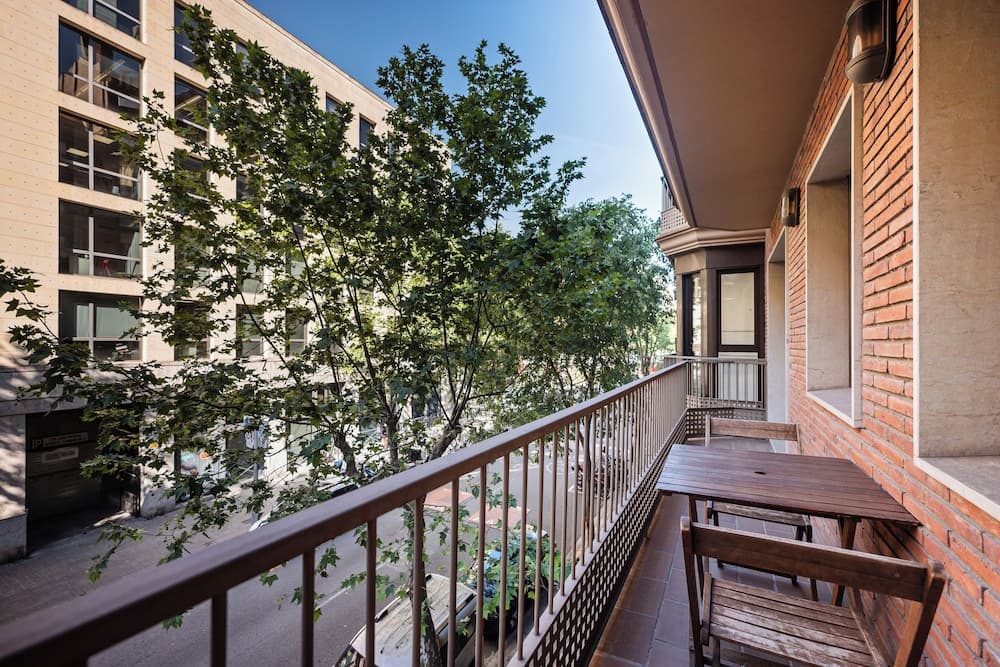
HOTEL
Aparthotel Nàpols - Abapart
€€350 m · Eixample
A four-star aparthotel on Carrer de Nàpols in the Eixample with kitchens in some rooms, rated 4.2 from 667 Google reviews.
4.2(667)
Hotel
Frequently Asked Questions
Is Plaça de Catalunya worth visiting?
It is unavoidable as the city's main transport hub and the meeting point between the old and new districts. While not a 'relaxing' destination, it is essential for orienting yourself and accessing major landmarks.
Is it safe at Plaça de Catalunya?
It is generally safe but is a notorious hotspot for pickpockets due to the high volume of tourists. Keep your bags in front of you, stay alert, and avoid people trying to hand you 'free' items or birdseed.
How do I get to the airport from Plaça de Catalunya?
The Aerobús (A1 and A2) departs every few minutes from the stop on the southern side of the square near Ronda de la Universitat, providing a direct link to both airport terminals. You can also take the R2 Nord train from the underground Rodalies station.
Reviews
0 reviews for placa catalynya
No reviews yet. Be the first to share your experience!