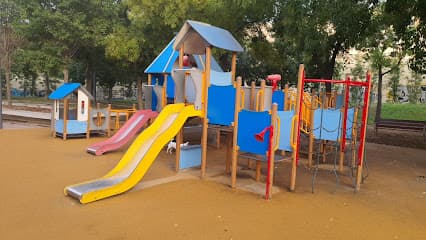
3.6
27 verified reviews
About
If you’re looking for the Barcelona of the postcards—the sun-drenched balconies of the Eixample or the gothic shadows of the old city—you’ve taken the wrong train. Get on the L1, head north past the point where the tour groups start to look nervous, and get off at Baró de Viver. This is Sant Andreu. This is the edge of the map. This is Parc Via Bàrcino.
Let’s be honest: this isn’t a 'must-see' in the traditional, soul-crushing sense of the word. There are no UNESCO plaques here. There is no artisanal coffee. What there is, however, is a profound sense of place. The park sits in the shadow of the Nus de la Trinitat, a massive, swirling concrete knot of highways that serves as the city’s northern gateway. It’s an urban landscape that screams industrial survival, yet right here, tucked away on Carrer de la Mare de Déu de Lorda, is a lung. A small, defiant patch of green that refuses to be paved over.
The park itself is a product of urban renewal, a way to give the residents of the Baró de Viver housing projects a place to exist outside of four walls. It’s a series of lawns and paved paths that follow the ghost of an ancient Roman route—hence the name Via Bàrcino—but don't expect to see any ruins. The history here is written in the faces of the people using the space. You’ll see grandfathers in flat caps sitting on benches, watching the world go by with the practiced indifference of men who have seen the city change a thousand times. You’ll see kids playing football on the grass, dreaming of being the next Messi while the roar of the B-10 highway hums in the background like a low-frequency heartbeat.
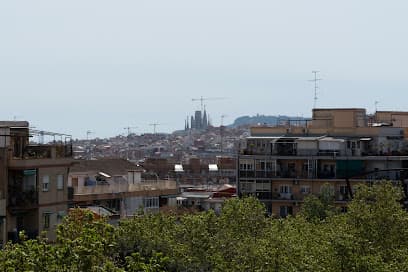
The 'lawn' that reviewers mention isn't the manicured, velvet turf of a country club. It’s tough, resilient grass that stands up to dogs, boots, and the scorching Catalan sun. It’s honest. It’s a place where you can sit with a cheap beer from the corner 'paki' and watch the sun set over the ridgeline of the Collserola, far in the distance. There’s a strange, brutalist beauty to it all—the contrast of the soft green against the hard lines of the social housing blocks and the steel of the nearby bridges.
Is it worth visiting? If you are the kind of traveler who needs to be entertained, who needs a museum or a monument to tell you why a place matters, then stay in the Gothic Quarter. But if you want to understand how this city actually functions—how it breathes, how its people find a moment of peace in a landscape dominated by concrete and commerce—then Parc Via Bàrcino is essential. It’s a reminder that the best parts of a city aren't always the ones designed for visitors. Sometimes, the most interesting thing you can do in Barcelona is simply sit in a neighborhood park and realize that the world doesn't revolve around you.
Walk ten minutes further and you’ll hit the Besòs river park, a massive environmental recovery project that has turned a once-toxic waterway into a sprawling green corridor. Between the two, you get a glimpse of a Barcelona that is working hard to fix itself, one patch of grass at a time. It’s not pretty in a conventional way, but it’s real. And in a city that is increasingly being turned into a theme park for tourists, 'real' is the most valuable thing you can find.
Type
Park
What People Say
lawn(2)
Features
Park
Categories
Urban ParkLocal LifeNature
Opening Hours
- MondayOpen 24 hours
- TuesdayOpen 24 hours
- WednesdayOpen 24 hours
- ThursdayOpen 24 hours
- FridayOpen 24 hours
- SaturdayOpen 24 hours
- SundayOpen 24 hours
Accessibility
- Flat paved paths
- Wheelchair accessible entrance
- Benches available
Location
Carrer de la Mare de Déu de Lorda, 34
Sant Andreu, Barcelona
Nearby
ATTRACTION
Multan los Domingos
150 m · Sant Andreu
A defiant slice of Sant Andreu where industrial ruins meet community gardens. It’s the anti-tourist Barcelona: raw, brick-heavy, and smelling of vermut and rebellion.
0.0(0)
Garden
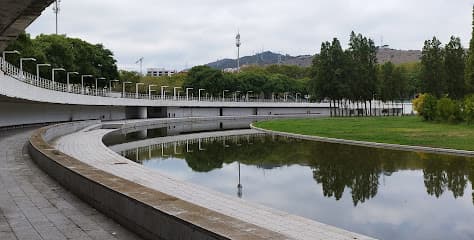
ATTRACTION
Parc de la Trinitat
200 m · Sant Andreu
A concrete-ringed oasis where the smell of grilled chorizo fights the hum of the highway. It’s the anti-Gaudí: raw, local, and loud with the sound of Sunday family feasts.
4.2(3K)
ParkTourist attraction
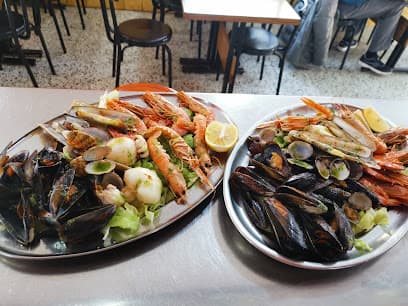
RESTAURANT
Juan Restaurant
€€250 m · Sant Andreu
A no-nonsense Sant Andreu stronghold where the coffee is strong, the bocadillos are heavy, and the neighborhood's working-class soul remains blissfully un-gentrified and unapologetic.
3.9(473)
Tapas restaurantBreakfast restaurant
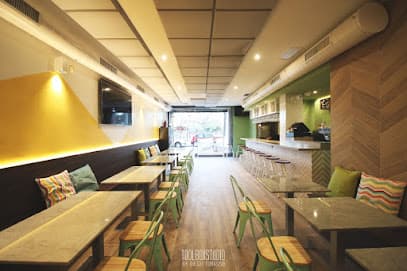
RESTAURANT
medina BAR & RESTAURANT
€€250 m · Sant Andreu
A loud, honest corner of Sant Andreu where the bocadillos are heavy, the bravas are spicy, and the tourists are nowhere to be found. This is the real Barcelona, served on a paper napkin.
4.4(2K)
Bar & grillCafe
HOTEL
Catalonia La Maquinista
€1.1 km · Sant Andreu
Forget the Gothic Quarter's humidity and the Rambla's pickpockets. This is Barcelona for the pragmatist: clean, quiet, and parked right next to a massive open-air cathedral of commerce.
4.4(1K)
Hotel
HOTEL
Hostelle Barcelona
€1.3 km · Nou Barris
A female-only sanctuary in the gritty, real-deal neighborhood of Nou Barris. No tourist traps here—just clean bunks, a shared kitchen, and the L4 metro to whisk you into the chaos.
4.3(146)
Youth hostel
Frequently Asked Questions
Is Parc Via Bàrcino worth visiting?
Only if you want to see the authentic, non-tourist side of Barcelona. It is a simple neighborhood park used by locals, offering a glimpse into the daily life of the Sant Andreu district.
How do I get to Parc Via Bàrcino?
Take the Metro L1 (Red Line) to the Baró de Viver station. The park is a short 5-minute walk from the station through the neighborhood.
What is near Parc Via Bàrcino?
The park is close to the Besòs River park, a popular spot for cycling and walking, and the Nus de la Trinitat highway interchange. The La Maquinista shopping mall is about a 20-minute walk away.
Reviews
0 reviews for Parc Via Bàrcino
No reviews yet. Be the first to share your experience!