4.4
6,705 verified reviews
About
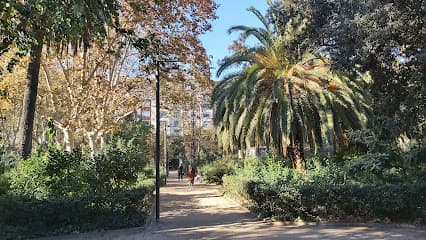
Step off the Avinguda Diagonal, dodge the frantic commuters and the swarm of delivery scooters, and walk up the wide, tree-lined Avinguda de Pau Casals. You’ll feel the temperature drop and the blood pressure settle before you even hit the gates. This is Parc del Turó—officially the Parc del Poeta Eduard Marquina—and it is, without a doubt, the most civilized patch of dirt in the entire city. It doesn’t scream for your attention like the Gaudí-saturated hills of Park Güell, and it doesn’t smell like stale beer and desperation like the Ciutadella on a Sunday afternoon. It just exists, quietly and expensively, in the heart of the Sant Gervasi - Galvany neighborhood.
This place has history, but not the kind involving medieval sieges or anarchist uprisings. Back in 1912, this was a private amusement park, a place for the local bourgeoisie to ride carousels and feel fancy. When the rides stopped spinning in 1929, the city handed the keys to Nicolau Maria Rubió i Tudurí, a man who understood that a park shouldn't just be a collection of plants, but a structured escape. He designed a landscape that feels intimate, almost like a series of outdoor rooms, shaded by massive carob trees, magnolias, and palms that have seen better decades than this one.
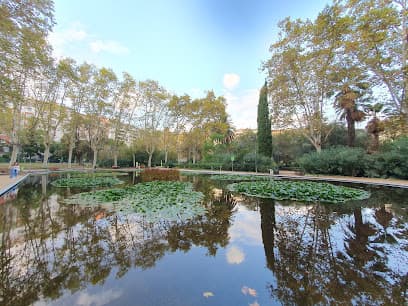
The centerpiece is the pond, a dark, still mirror choked with water lilies that look like they were lifted straight out of a Monet canvas. It’s the kind of spot where you half-expect a poet to be weeping into a silk handkerchief. Instead, you’ll find the locals: elegant elderly women with impeccably coiffed hair, and dogs—mostly purebreds—that clearly have better healthcare than you do. This is 'Upper Diagonal' Barcelona, where the wealth is old, the voices are low, and the pace of life is dictated by the slow crawl of a turtle on a sun-warmed rock.
As you wander the winding paths, you’ll stumble upon the bronze figure of Pau Casals, his cello forever silent against the backdrop of the greenery. There’s a sense of melancholy here that’s actually quite refreshing. It’s a park for thinkers, for readers, and for people who are tired of being sold 'experiences.' There are no souvenir kiosks here. No one is trying to sell you a plastic glowing helicopter or a lukewarm mojito in a plastic cup. It’s just you, the scent of damp earth, and the occasional click-clack of heels on the gravel.
Is it worth the trek up from the Gothic Quarter? If you’re looking for a 'best park Barcelona' listicle highlight, maybe not. But if you want to see how the other half lives—the half that values shade, silence, and the perfect placement of a rose bush—then yes, it’s essential. It’s a reminder that Barcelona isn't just a playground for tourists; it’s a living, breathing city with quiet corners that refuse to be gentrified into a theme park. Come here when the city feels like it’s closing in on you. Sit on a bench, watch the water lilies do absolutely nothing, and remember what it’s like to breathe. Just don’t expect a party. This is a place for the soul, not the feed.
Type
Park, Tourist attraction
What People Say
strolling(210)reading(77)vegetation(53)ideal(37)water lilies(36)lungs(35)chiringuito(22)font(17)
Features
Park
Tourist attraction
Categories
GardensSculptureArchitectureNature
Opening Hours
- Monday10 AM to 9 PM
- Tuesday10 AM to 9 PM
- Wednesday10 AM to 9 PM
- Thursday10 AM to 9 PM
- Friday10 AM to 9 PM
- Saturday10 AM to 9 PM
- Sunday10 AM to 9 PM
Accessibility
- Wheelchair accessible paths
- Flat terrain at main entrances
- Accessible benches
Location
Av. de Pau Casals, 19
Sarrià-Sant Gervasi, Barcelona
Nearby
ATTRACTION
Lagoa
50 m · Sarrià-Sant Gervasi
A tiered sanctuary of damp stone and dark water where Sant Gervasi’s old money hides from the exhaust-choked chaos of Via Augusta. It’s not a postcard; it’s a deep breath.
5.0(1)
Park
ATTRACTION
Edificio Bofill
200 m · Sarrià-Sant Gervasi
A dark, brooding masterpiece of early Bofill architecture looming over the polite squares of Sant Gervasi like a beautiful, jagged secret for those who prefer brick to glitter.
0.0(0)
Tourist attraction
RESTAURANT
ILUZIONE Turó
€€€150 m · Sarrià-Sant Gervasi
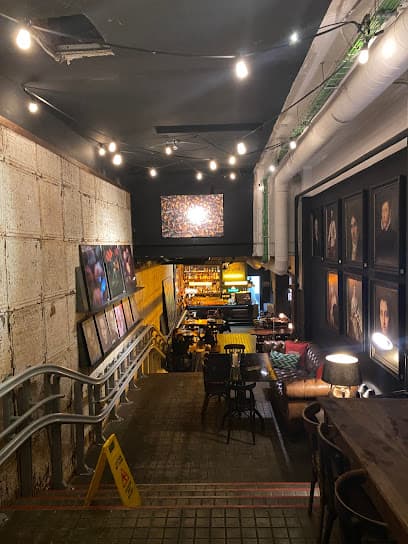
A moody, industrial-chic den in Sarrià where high-end furniture meets killer cocktails and the best Focaccia di Recco this side of the border. Posh, loud, and undeniably cool.
4.4(870)
Italian restaurantCocktail bar
RESTAURANT
Fishhh! | Plaza Sant Gregori Traumatutg
200 m · Sarrià-Sant Gervasi
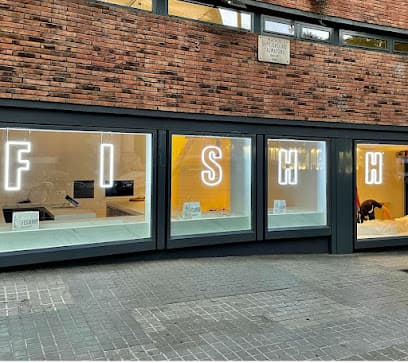
A clinical, white-tiled temple to the sea in the posh Zona Alta. No fluff, no tourist traps—just world-class oysters, caviar, and wild fish that taste like a cold slap from the Mediterranean.
4.4(206)
Seafood restaurant

HOTEL
AC Hotel Irla
€€€€250 m · Sarrià-Sant Gervasi
A sharp, minimalist sanctuary in Sarrià-Sant Gervasi for those who prefer business-class efficiency over the chaotic, tourist-choked streets of the city center.
4.0(260)
HotelMeeting planning service
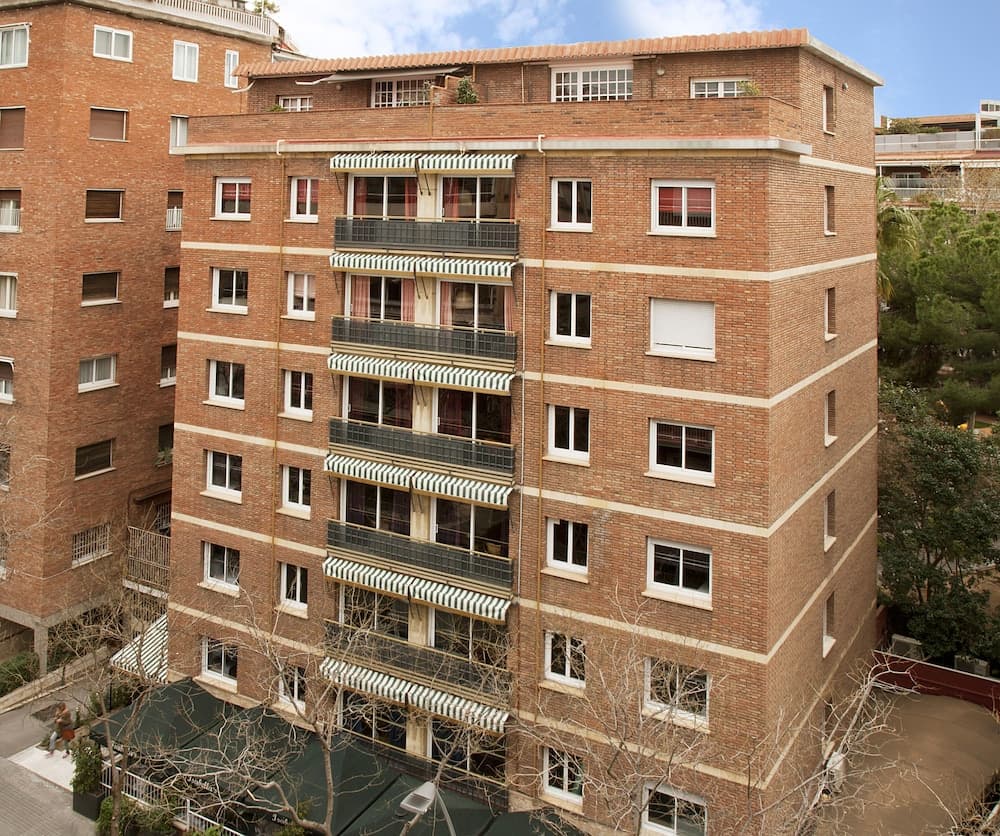
HOTEL
Isabella's House
€€350 m · Sarrià-Sant Gervasi
Escape the neon-lit hell of La Rambla for the quiet, old-money cool of Sarrià. Isabella’s House is where you pretend you’re a local with a trust fund, a velvet sofa, and a Smeg fridge.
4.4(154)
HotelHoliday apartment
Frequently Asked Questions
Is Parc del Turó worth visiting?
Yes, if you want to escape the tourist crowds. It is one of Barcelona's most elegant and quiet parks, perfect for a peaceful stroll or reading a book away from the city noise.
What is the best time to visit Parc del Turó?
Morning or late afternoon (golden hour) is best. The light hitting the water lily pond is spectacular, and the park is at its quietest before the local families arrive in the early evening.
How do I get to Parc del Turó?
The easiest way is taking the FGC train to Muntaner station or any bus that stops at Plaça de Francesc Macià, followed by a 5-minute walk up Avinguda de Pau Casals.
Is there an entrance fee for Parc del Turó?
No, admission is completely free. It is a public municipal park open daily from 10:00 AM until sunset.
Reviews
0 reviews for Parc del Turó
No reviews yet. Be the first to share your experience!