4.8
19 verified reviews
About
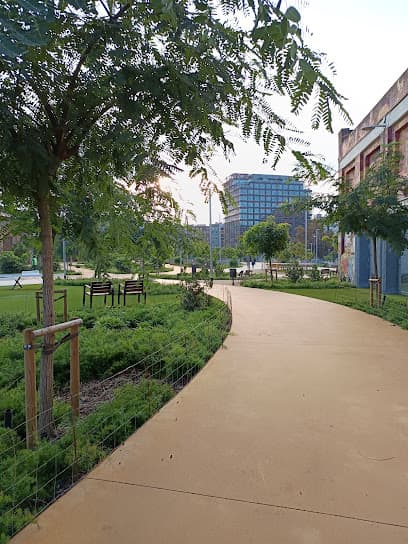
Barcelona has a habit of polishing its history until it’s unrecognizable, but Can Batlló is the glorious exception. For decades, this massive textile complex in the Sants-Montjuïc district was a walled-off city within a city, a decaying monument to the industrial age that the local government seemed content to let rot or sell off to the highest bidder. Then, in 2011, the neighbors got tired of waiting. They didn't ask for a park; they took it. They marched in, occupied the space, and started building the kind of neighborhood they actually wanted to live in. What you see today—the Parc de Can Batlló—is the result of that stubborn, beautiful defiance.\n\nWalking through the gates on Carrer de Parcerisa, you aren't entering a manicured botanical garden. This is raw, functional, and deeply human. The first thing that hits you is the scale. The red-brick chimneys still pierce the sky, standing as silent witnesses to the thousands of workers who once sweated here. But now, the sound of looms has been replaced by the clatter of skateboards and the shouts of kids on the playground. The city has finally stepped in to formalize the park, adding lush lawns, rows of trees, and modern play areas, but the soul of the place remains firmly in the hands of the 'vecinos.'\n\nThis is one of the best things to do in Sants if you want to see the real Barcelona, far from the selfie-sticks of the Gothic Quarter. The park is a sprawling 26,000 square meters of reclaimed space. You’ve got a massive dog run where the local hounds burn off energy, a skate park that looks like it was built by people who actually know how to ride, and basketball courts that are almost always in use. But the real magic is in the corners—the community gardens (Hort de la Canya) where tomatoes grow in the shadow of industrial ruins, and the 'Bloc 11' community center, which remains the beating heart of the project.\n\nIs it pretty? In its own way, yes. It’s the beauty of a scar that’s healed well. The contrast between the rusted ironwork, the weathered brick, and the vibrant new greenery is a visual punch to the gut. It’s a place that smells of damp earth, old stone, and the faint, lingering scent of woodsmoke from the community workshops. It’s a park that doesn't try to hide what it was. It embraces the grit.\n\nIf you’re looking for a place to sit on a bench and be ignored by waiters while you drink an overpriced cava, go elsewhere. Can Batlló is for the wanderers, the history nerds, and the people who believe that cities should belong to the people who live in them. It’s a living, breathing lesson in urban planning from the bottom up. You come here to see what happens when a neighborhood refuses to be forgotten. You come here to breathe in a bit of the old, stubborn Sants spirit that hasn't been priced out yet. It’s honest, it’s slightly dusty, and it’s as close to the city's real heartbeat as you're likely to get. Don't expect a gift shop. Expect a community.
Type
Park
What People Say
sports(2)game(2)table(2)
Features
Park
Categories
Industrial HeritageCommunity CenterSkate ParkUrban Garden
Accessibility
- Flat paved paths
- Accessible entrance from Carrer de Parcerisa
- Ground-level facilities
Location
Carrer de Parcerisa, 32X
Sants-Montjuïc, Barcelona
Nearby
ATTRACTION
Plaça de Josep Pons i Moga
250 m · Sants-Montjuïc
A gritty, honest slice of Sants-Montjuïc where the roar of Gran Via meets the quiet resilience of local life. No Gaudí here, just benches, dogs, and the spirit of neighborhood rebellion.
0.0(0)
Garden
ATTRACTION
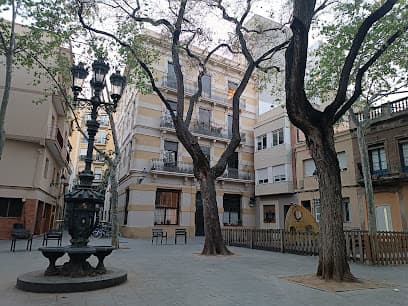
Plaça del Fènix
250 m · Sants-Montjuïc
A gritty, sun-baked slice of real Sants where the ghosts of Barcelona’s industrial past watch over toddlers on plastic slides and old men nursing beers.
4.0(132)
PlaygroundPark
RESTAURANT
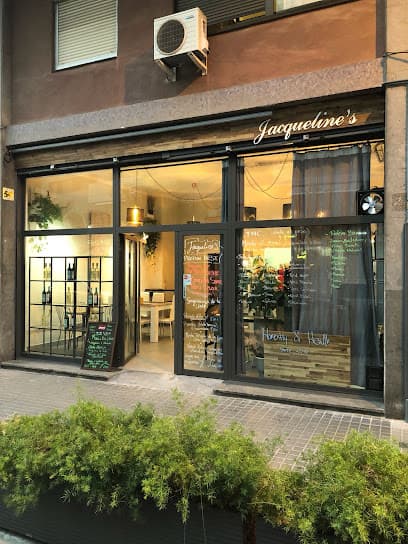
Jacqueline's
€€150 m · Sants-Montjuïc
A no-nonsense Peruvian outpost in Sants where the ceviche hits like a lightning bolt and the Ají de Gallina feels like a warm, yellow-hued hug from a grandmother you never had.
4.6(436)
Latin American restaurant
RESTAURANT
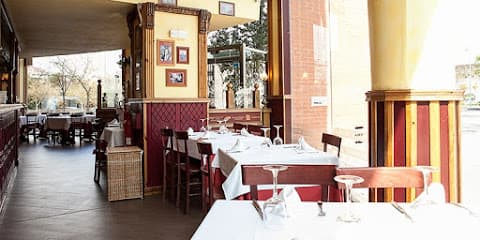
Restaurant La Tagliatella | Gran Via, Barcelona
€€200 m · Sants-Montjuïc
A corporate Italian powerhouse where portions are sized for giants and the decor is pure cinematic kitsch. Reliable, loud, and unapologetically massive on the Gran Via.
4.2(2K)
Italian restaurantPizza restaurant
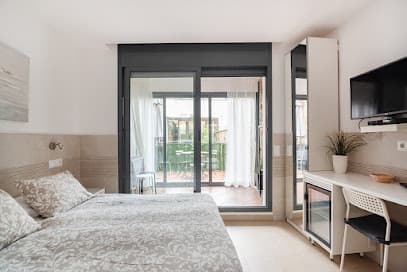
HOTEL
Hostal House
€200 m · Sants-Montjuïc
Forget the velvet ropes and overpriced minibars; this is Sants—a raw, real neighborhood where a clean bed and a shared kitchen are all you need to conquer the city.
4.5(273)
Hotel
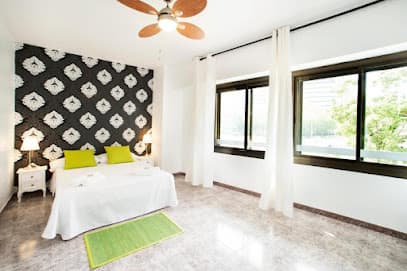
HOTEL
Fira Guest House
€250 m · Sants-Montjuïc
A two-star guest house with kitchens in some units on Avinguda del Carrilet in Sants-Montjuïc, rated 2.8 from 149 mixed Google reviews.
2.8(149)
Holiday apartment
Frequently Asked Questions
Is Parc de Can Batlló worth visiting?
Absolutely, if you appreciate industrial history and community-driven spaces. It’s a raw, honest look at Barcelona’s social history and a great escape from the tourist crowds.
What is the history of Can Batlló?
It was a massive textile factory built in the late 19th century. After decades of neglect, it was occupied by neighborhood activists in 2011 and has since been transformed into a public park and social center.
Is entry to Parc de Can Batlló free?
Yes, the park is a public space and entry is completely free for everyone.
How do I get to Can Batlló?
The easiest way is via the Magòria-La Campana FGC station or a 10-minute walk from the Mercat Nou metro station (L1).
Reviews
0 reviews for Parc de Can Batlló
No reviews yet. Be the first to share your experience!