4.6
699 verified reviews
About
Montjuïc is a hill of ghosts, grand ambitions, and architectural leftovers from a time when Barcelona was desperate to prove it belonged on the world stage. Tucked away from the stadium roar and the museum crowds sits the Palauet Albéniz. It’s a neoclassical stone slab of dignity that serves as the official residence for the Spanish Royal Family when they’re in town to shake hands and cut ribbons. Most of the year, it’s a silent sentinel, a place you peer at through iron gates, wondering what kind of chandeliers are dripping from those high ceilings.
Built for the 1929 International Exposition, the palace wasn't actually meant to be a palace. It was the Royal Pavilion, a temporary stage for King Alfonso XIII to hold court. But like many things in this city, the temporary became permanent because it was simply too handsome to tear down. It’s named after Isaac Albéniz, the legendary Catalan composer, which is a nice touch of local pride in a building that otherwise screams Bourbon authority.
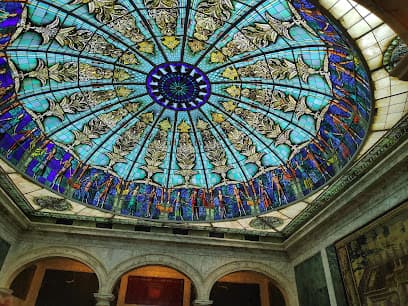
If you’re lucky enough to visit during the La Mercè festival in late September, the heavy doors swing open. Inside, it’s a masterclass in 'more is more.' We’re talking marble floors that have been polished to a mirror finish, tapestries that probably cost more than your house, and the real kicker: ceiling murals by Salvador Dalí. Yes, the master of the melting clock left his mark here, adding a surrealist middle finger to the otherwise stiff, formal atmosphere. It’s a jarring, brilliant contrast—the kind of thing that reminds you that even in the halls of power, Barcelona keeps its eccentric soul.
But for most of us, the real draw isn't the velvet furniture; it’s the Joan Maragall Gardens that surround the palace. These are not your average city parks. They are formal, disciplined, and breathtakingly quiet. While the rest of the city is sweating through the humidity of the Gothic Quarter, up here the air feels different. There are fountains that hiss softly, rows of cypress trees standing like soldiers, and statues tucked into alcoves that look like they’ve seen a century of secrets. It’s one of the few places in Barcelona where you can actually hear yourself think.
The gardens are open to the public on weekends, and they offer a view of the city that feels earned. You aren't fighting for space with a thousand selfie sticks. You’re walking through a landscape designed for royalty, and for a few hours on a Saturday afternoon, you can pretend the title belongs to you. The grass is manicured with a precision that borders on the obsessive, and the scent of citrus and damp stone hangs heavy in the air.
Is it worth the hike? If you’re looking for a theme park or a quick hit of adrenaline, stay on the Rambla. But if you want to see the side of Barcelona that doesn't care if you like it or not—the side that is old, moneyed, and quietly spectacular—then yes. It’s a reminder that the city isn't just about tapas and beaches; it’s about these pockets of preserved silence, where the 1920s never really ended and the ghosts of kings still linger in the shadows of the hedgerows.
Type
Tourist attraction
Duration
1-2 hours
Best Time
Saturday or Sunday morning at 10:00 AM when the gardens first open to avoid any weekend crowds.
What People Say
garden(100)la mercè(44)palace(24)montjuic(19)font(9)sculptures(7)royal(6)dali(6)
Features
Tourist attraction
Categories
ArchitectureGardensRoyal HistoryArt
Ticket Prices
Free Admission
No tickets required
Must-See Highlights
The central fountain and formal parterres
Dalí's ceiling paintings (only during open house days)
Busts of famous Spanish figures scattered throughout the gardens
The view of the palace facade from the main lawn
Visitor Tips
Check the La Mercè festival schedule in September for the rare chance to see the interior.
The gardens close strictly at 3:00 PM on weekends, so don't arrive too late.
Combine this with a visit to the nearby MNAC for a full day of Montjuïc culture.
Good For
Architecture buffsGarden loversCouplesHistory enthusiastsBudget travelers
Why Visit
Salvador Dalí ceiling murals inside the royal residence
The most exclusive and formal gardens on Montjuïc hill
Official Barcelona residence of the Spanish Royal Family
Nearby Landmarks
- Estadi Olímpic Lluís Companys (5-minute walk)
- Museu Nacional d'Art de Catalunya - MNAC (10-minute walk)
- Fundació Joan Miró (12-minute walk)
- Poble Espanyol (15-minute walk)
Accessibility
- Main garden paths are wheelchair accessible
- Some gravel sections may be difficult
- Palace interior access during festivals may have stairs
Location
Av. de l'Estadi, 67
Sants-Montjuïc, Barcelona
Nearby Hotels
Nearby Restaurants
In Sants-Montjuïc
ATTRACTION
Bolets1
Sants-Montjuïc
A gritty, earthy temple to the Catalan obsession with wild mushrooms, where the dirt is real, the fungi are seasonal gold, and the air smells like the damp floor of a Pyrenean forest.
0.0(0)
Tourist attraction
ATTRACTION
Montjuic aparca
Sants-Montjuïc
The unglamorous base camp for your Montjuïc assault. A tactical slab of asphalt where the city's chaos fades into the pine-scented ghosts of the 1992 Olympics.
0.0(0)
Tourist attraction
ATTRACTION
Паркінг Барселона
Sants-Montjuïc
A sprawling slab of industrial reality in the Zona Franca. No Gaudí here—just hot asphalt, diesel fumes, and the honest utility of a secure place to park your rig.
0.0(0)
Park
Frequently Asked Questions
Is Palauet Albéniz worth visiting?
Yes, especially for the Joan Maragall Gardens, which are among the most beautiful and peaceful in the city. The palace interior is only open during specific festivals like La Mercè, but the grounds are worth the trip alone.
When can I visit Palauet Albéniz?
The palace interior is generally closed to the public except during the La Mercè festival in September. However, the surrounding Joan Maragall Gardens are open to the public on Saturdays and Sundays from 10:00 AM to 3:00 PM.
How do I get to Palauet Albéniz?
The easiest way is to take the bus (lines 150, 55, or 13) to the Olympic Stadium area or take the Funicular de Montjuïc from Paral·lel metro station and walk about 10-15 minutes through the park.
Is there an entrance fee for the gardens?
No, entrance to the Joan Maragall Gardens is free during their public opening hours on weekends. Access to the palace during La Mercè is also typically free but may require pre-booking.
Reviews
0 reviews for Palauet Albéniz
No reviews yet. Be the first to share your experience!