4.6
1,771 verified reviews
About
Montjuïc is a hill with a dark, complicated memory, but the Anella Olímpica—the Olympic Ring—is where Barcelona finally shook off the dust of the 20th century and screamed at the world that it had arrived. Walking up here feels like stepping into a high-budget sci-fi film from thirty years ago that somehow still looks like the future. It’s a sprawling, wind-swept plateau of concrete and stone that serves as a monument to the 1992 Summer Olympics, the event that dragged this city out of the post-Franco doldrums and turned it into the global powerhouse it is today.
The centerpiece is the Estadi Olímpic Lluís Companys. It’s a bit of a head-trip: the facade is pure 1929, built for the International Exposition with all the heavy, imperial gravity of that era. But step inside—or try to catch a glimpse when FC Barcelona isn't using it as their temporary home while Camp Nou gets its facelift—and you see the guts of a modern arena. This is where the archer lit the cauldron with a flaming arrow, a moment of pure theater that still gives locals the chills. Today, the stadium is buzzing again because of the Barça residency, bringing a raw, tribal energy back to a place that spent a few years feeling a little too quiet.
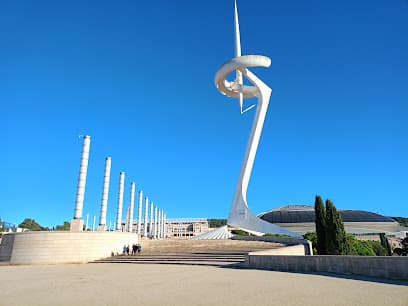
Then there’s the Torre de Calatrava, a white, sloping needle that looks like it’s about to transmit signals to a distant galaxy. It’s a communications tower, sure, but it’s also a piece of sculpture designed to track the sun like a giant sundial. Next to it sits the Palau Sant Jordi, Arata Isozaki’s masterpiece of engineering. From the outside, it looks like a giant metallic tortoise shell resting on the hill; inside, it’s a cavernous temple of sound and sport that hosts everyone from rock gods to world-class athletes.
What makes the Olympic Ring worth the trek isn't just the architecture; it’s the space. In a city as dense and claustrophobic as Barcelona, the Anella is a lung. It’s where you come to escape the humid crush of the Gothic Quarter. You’ll see skaters grinding on the granite ledges, runners punishing themselves on the inclines, and tourists looking slightly dazed by the scale of it all. There is a strange, meditative quality to the place when the crowds aren't there for a match or a concert. It’s a reminder of what happens when a city decides to reinvent itself with balls and vision.
If you’re looking for the best things to do in Montjuïc, this is the anchor. Don't just tick it off a list. Wait for the late afternoon. When the sun starts to dip toward the Llobregat delta, the light hits the white stone and the Calatrava tower in a way that makes the whole hill glow. It’s one of the best sunset spots in Barcelona, and it doesn't cost you a single Euro to sit on the steps and watch the sky turn purple over the city.
Is the Olympic Ring worth visiting? Absolutely, but don't expect a theme park. It’s a public space, raw and exposed to the elements. There are no souvenir hawkers breathing down your neck here. It’s just you, the wind, and the heavy weight of history. It’s a place to contemplate how much a city can change in thirty years, and how the ghosts of 1992 still haunt these hills in the best possible way. Wear decent shoes, bring some water, and prepare to feel very small against the backdrop of Barcelona’s ambition.
Type
Sports complex, Tourist attraction
Duration
1-2 hours
Best Time
Late afternoon for the sunset and softer light on the architecture.
What People Say
sunset(50)walk(29)park(28)1992 summer olympics(25)architecture(21)montjuic(20)live music(12)dog(11)
Features
Sports complex
Tourist attraction
Categories
ArchitectureHistoryOlympic GamesPublic Park
Ticket Prices
Free Admission
No tickets required
Opening Hours
- MondayOpen 24 hours
- TuesdayOpen 24 hours
- WednesdayOpen 24 hours
- ThursdayOpen 24 hours
- FridayOpen 24 hours
- SaturdayOpen 24 hours
- SundayOpen 24 hours
Must-See Highlights
Torre de Calatrava (Communications Tower)
The Olympic Cauldron
Palau Sant Jordi's roof architecture
The view from the stadium esplanade
Visitor Tips
Check the FC Barcelona schedule before visiting, as match days make the area extremely crowded and restrict access.
Bring water and sunscreen; the 'Ring' is a massive concrete open space with very little shade.
Combine this with a visit to the nearby Joan Miró Foundation for a full afternoon of culture and views.
Good For
Architecture buffsHistory loversPhotography enthusiastsBudget travelersFamilies with kids who need space to run
Why Visit
The 1992 Olympic Legacy: Stand where the world watched the archer light the cauldron.
Architectural Contrast: See the 1929 neoclassical stadium facade alongside Calatrava's futuristic communications tower.
Panoramic Sunset Views: One of the few spots in the city offering wide-open vistas of both the urban sprawl and the mountains.
Nearby Landmarks
- Joan Miró Foundation (10-minute walk)
- Jardí Botànic de Barcelona (5-minute walk)
- Museu Nacional d'Art de Catalunya - MNAC (12-minute walk)
- Poble Espanyol (15-minute walk)
Accessibility
- Wheelchair accessible paths
- Accessible toilets in nearby facilities
- Elevators in the Funicular station
Location
Sants-Montjuïc, Barcelona
Nearby Hotels
Nearby Restaurants
In Sants-Montjuïc
ATTRACTION
Bolets1
Sants-Montjuïc
A gritty, earthy temple to the Catalan obsession with wild mushrooms, where the dirt is real, the fungi are seasonal gold, and the air smells like the damp floor of a Pyrenean forest.
0.0(0)
Tourist attraction
ATTRACTION
Montjuic aparca
Sants-Montjuïc
The unglamorous base camp for your Montjuïc assault. A tactical slab of asphalt where the city's chaos fades into the pine-scented ghosts of the 1992 Olympics.
0.0(0)
Tourist attraction
ATTRACTION
Паркінг Барселона
Sants-Montjuïc
A sprawling slab of industrial reality in the Zona Franca. No Gaudí here—just hot asphalt, diesel fumes, and the honest utility of a secure place to park your rig.
0.0(0)
Park
Frequently Asked Questions
Is the Olympic Ring in Barcelona free to visit?
Yes, the Anella Olímpica is a public space and is free to walk around. However, entering the Estadi Olímpic for a match or the Palau Sant Jordi for a concert requires a ticket.
How do I get to the Olympic Ring?
The easiest way is taking the 150 bus from Plaça d'Espanya or taking the Funicular de Montjuïc from Paral·lel metro station and walking about 10-15 minutes.
Can I go inside the Olympic Stadium?
Currently, the stadium is the temporary home of FC Barcelona (until 2025/2026). Access is generally limited to match days or specific tour hours, though there is often a small viewing area open to the public for a fee when events aren't happening.
What is the best time to visit the Olympic Ring?
Late afternoon is best. You avoid the midday heat, and the sunset views over the city and the Baix Llobregat area from the hilltop are spectacular.
Reviews
0 reviews for Olympic Ring
No reviews yet. Be the first to share your experience!