4.6
488 verified reviews
About
Most people come to Barcelona and spend their time staring at the Sagrada Família until their necks cramp. They aren’t wrong, but they’re missing the heartbeat. If you want to understand the character of this city—and the Mediterranean at large—you need to hear it. Or at least, you need to see the machines that made the noise. The Museu de la Música de Barcelona isn't some dusty, forgotten attic of a museum. It’s a fetishistic, beautifully curated tribute to the human obsession with sound, housed in the unapologetically modern, concrete monolith of L'Auditori in the Eixample district.
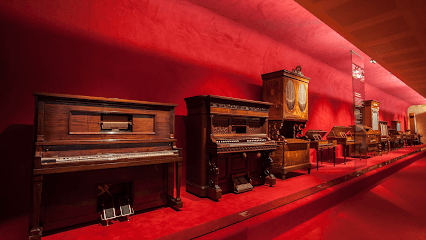
Walking into this place is a sharp pivot from the humid clatter of the street. It’s quiet, cool, and smells faintly of old varnish and aged wood. You’re greeted by over 500 instruments that look like they were plucked from the dreams of madmen and geniuses. We’re talking about everything from 17th-century harpsichords that look too fragile to touch, to experimental electronic gear that looks like it belongs on a Cold War submarine. It’s a chronological trip through the evolution of how we’ve tried to fill the silence, and it’s one of the best museums in Barcelona for anyone who’s ever felt a chill from a single chord.
The real draw here—the heavy hitter—is the guitar collection. If you give a damn about music, this is holy ground. They have one of the most significant collections of Spanish guitars on the planet. You’ll see the work of Antonio de Torres, the man who basically invented the modern guitar. Seeing these instruments up close, you realize they aren't just tools; they are sculptures. The grain of the wood, the intricate inlay of the rosettes—it’s a level of craftsmanship that makes our modern, mass-produced world look cheap and lazy. It’s a reminder that once, people spent months building a single box just to hear it sing.
But it’s not all 'look but don’t touch' reverence. The museum has an interactive gallery that saves it from being a musical graveyard. This is where the 'Barcelona with kids' crowd and the bored adults finally wake up. You can actually get your hands on some instruments, making your own racket and understanding the physics of the vibration. It’s a necessary release after walking through galleries of priceless, silent masterpieces. It breaks the tension and reminds you that music is supposed to be felt, not just studied behind glass.
Is the Museu de la Música worth it? If you’re looking for a flashy, high-tech theme park, move along. This is a place for the curious, the makers, and the people who still appreciate the tactile reality of a gut string stretched over a hollow box. It’s a bit out of the way, tucked into a corner of Eixample that feels more like a local neighborhood than a tourist trap, which is exactly why you should go. It’s honest. It’s specialized. And on Sunday afternoons, it’s free. Grab the audio guide—it’s actually decent—and lose yourself in the history of the noise that makes life worth living. It’s a quiet, profound detour from the usual Barcelona itinerary that will leave you hearing the city in a completely different way.
Type
Heritage museum, Art museum
Duration
1.5-2 hours
Best Time
Sunday after 3:00 PM for free entry, or weekday mornings for a near-silent, meditative experience.
Guided Tours
Available
Audio Guide
Available
What People Say
sunday(21)guitars(14)muy interesante(13)audio guide(12)kids(8)curiosity(7)explanations(6)countries(5)
Features
Heritage museum
Art museum
History museum
Library
Tourist attraction
Categories
MusicHistoryInstrumentsArchitecture
Ticket Prices
Free Admission
No tickets required
Opening Hours
- MondayClosed
- Tuesday10 AM to 6 PM
- Wednesday10 AM to 6 PM
- Thursday10 AM to 9 PM
- Friday10 AM to 7 PM
- Saturday10 AM to 7 PM
- Sunday10 AM to 7 PM
Must-See Highlights
The Guitar Collection (Torres and more)
The Interactive Room
17th-century Harpsichords
The 'Sound of the World' ethnographic section
The Rafael Moneo architecture of L'Auditori
Visitor Tips
The audio guide is essential here as it allows you to hear the actual sounds of the historical instruments on display.
Combine your visit with a concert at L'Auditori for a full musical immersion.
Check the museum's schedule for temporary exhibitions, which are often included in the ticket price.
If you're on a budget, wait for Sunday afternoon when the crowds are slightly larger but the price is zero.
Good For
Music loversFamilies with childrenHistory buffsArchitecture enthusiastsBudget travelers
Why Visit
World-class collection of over 500 historical musical instruments
One of the most significant Spanish guitar collections globally, featuring Torres originals
Interactive 'Gallery of Instruments' where visitors can actually play and experiment with sound
Nearby Landmarks
- 2-minute walk from Teatre Nacional de Catalunya
- 10-minute walk from Glòries Shopping Centre
- 15-minute walk from Sagrada Família
- 5-minute walk from Marina Metro Station
Accessibility
- Fully wheelchair accessible
- Elevators to all floors
- Adapted restrooms
Location
Carrer de Lepant, 150
Eixample, Barcelona
Nearby Hotels
Nearby Restaurants
In Eixample
ATTRACTION
Mural Margalef
Eixample
A towering splash of Mediterranean blue breaking the rigid geometry of Eixample, Joan Margalef’s mural is a visceral reminder that Barcelona’s soul isn't just in its museums.
0.0(0)
Tourist attraction
ATTRACTION
Mural Margalef
Eixample
A geometric middle finger to urban decay, this massive kinetic mural by Eduard Margalef turns a drab Eixample blind wall into a rhythmic, shifting explosion of optical art.
0.0(0)
Tourist attraction
ATTRACTION
Happy Foodies
Eixample
Forget the plastic-wrapped tourist traps; this is a deep dive into the grease, garlic, and soul of Catalan cooking where you actually learn to handle a knife and a porrón.
0.0(0)
Sightseeing tour agencyTour agency
Frequently Asked Questions
Is the Museu de la Música de Barcelona worth visiting?
Yes, especially for guitar enthusiasts. It houses one of the world's most important collections of Spanish guitars and offers a quiet, high-quality alternative to the city's more crowded art museums.
When is the Museu de la Música free?
Entry is free every Sunday from 3:00 PM onwards, and all day on the first Sunday of every month. It is also free on certain holidays like Santa Eulàlia (February 12) and La Mercè (September 24).
How long do you need at the Music Museum?
Most visitors spend between 1.5 to 2 hours exploring the collection and the interactive gallery. If you are a musician or a history buff, you might want to allow for more time to use the audio guide.
What should I see at the Museu de la Música?
Don't miss the Antonio de Torres guitars, which defined the modern classical guitar, and the Orphean collection. The interactive room where you can play instruments is also a highlight for families.
Reviews
0 reviews for Museu de la Música de Barcelona
No reviews yet. Be the first to share your experience!