4.1
35 verified reviews
About
You’re standing in the shadow of the 1929 International Exposition, a time when Barcelona was trying desperately to prove it was a grown-up European city. The Museu de la Guàrdia Urbana isn't where you go for fine art or to contemplate the sublime. It’s where you go to see the machinery of the state, the literal nuts and bolts of how this city has been kept in check since the mid-19th century. It’s housed in an imposing, stone-faced building on the slopes of Montjuïc that feels exactly like what it is: a place of authority.
Walking in, you don't get the hushed, carpeted reverence of the Picasso Museum. You get the smell of old paper, polished chrome, and the faint, lingering ghost of motor oil. This is a collection dedicated to the Guàrdia Urbana—the local police force who have seen every riot, every parade, and every late-night disaster this city has thrown at them for nearly two centuries. It’s a look behind the curtain of the city's order, located right in the heart of the Sants-Montjuïc district, a stone's throw from the tourist-heavy Magic Fountain but worlds away in temperament.
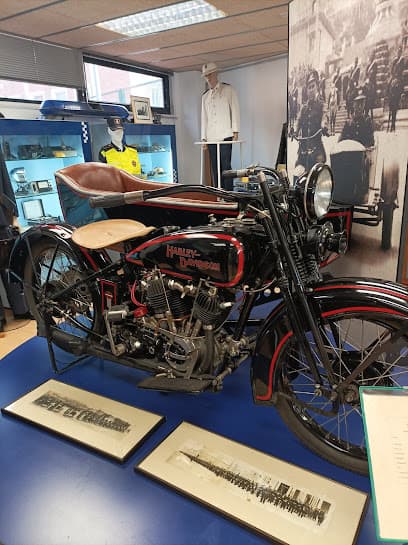
The star of the show for anyone with a soul and a love for internal combustion is the vehicle collection. We’re talking vintage Sanglas motorcycles and Harleys that look like they were pulled straight out of a mid-century noir film. These aren't pristine showroom models; they’re workhorses. You can see the evolution of the city’s mobility in the fenders and the frames. Then there are the uniforms. It’s a trip to see how the aesthetic of 'The Law' has shifted from the top-hatted, almost dandy-ish look of the 1840s to the tactical, no-nonsense gear of the modern era. It’s a visual history of how the city views its protectors—and its enforcers.
The museum also holds a massive archive of photographs and documents. This is where the real grit lives. You see the streets of Barcelona before the mass tourism arrived, before the gentrification of the Raval, when the city was a much harder, much more complicated place. You see the Guàrdia Urbana standing in the middle of dirt roads that are now six-lane avenues. It’s a reminder that beneath the Gaudí curves and the beach clubs, there’s a skeleton of order that’s been holding the whole thing together through civil wars, dictatorships, and Olympic transformations.
Let’s be honest: this isn't a stop for the casual traveler who just wants a selfie with a sangria. It’s niche. It’s specific. It’s for the person who wants to understand the plumbing of a city. The atmosphere is quiet, almost academic, and deeply respectful. Don't expect a high-tech interactive experience with flashing lights. You’re here for the artifacts—the medals, the old radio equipment, the evolution of the badge. Most visits are 'concertades,' meaning you need to arrange them in advance, which keeps the crowds non-existent and the experience personal.
The flaw? It’s not always easy to get into. It’s not flashy. It’s tucked away in a corner of the city that most people only visit to see the fountain show. But that’s the draw. It’s a quiet, slightly dusty corner of Barcelona history that doesn't care if you like it or not. It just exists, documenting the guys who have been handing out tickets and breaking up fights since the days of horse-drawn carriages. If you want the unvarnished truth of how a city functions, or if you just really like old motorcycles, it’s worth the effort to get inside. It's one of the best museums in Sants-Montjuïc for those who prefer reality over postcards.
Type
Museum, Tourist attraction
Duration
1-1.5 hours
Best Time
Weekday mornings by prior appointment to avoid any administrative congestion.
Guided Tours
Available
What People Say
history(7)citizens(2)photography(2)
Features
Museum
Tourist attraction
Categories
HistoryVehiclesInstitutionalSants-Montjuïc
Ticket Prices
Free Admission
No tickets required
Opening Hours
- Monday10 AM to 2 PM
- Tuesday10 AM to 2 PM
- Wednesday10 AM to 2 PM
- Thursday10 AM to 2 PM
- Friday10 AM to 2 PM
- SaturdayClosed
- SundayClosed
Must-See Highlights
The 1920s Harley-Davidson motorcycles
The evolution of the 'casc' (police helmet) display
Historical photos of the 1929 International Exposition security detail
Visitor Tips
You must call or email ahead; don't just show up expecting the doors to be open.
Combine this with a visit to the nearby MNAC or Poble Espanyol to make the trip to Montjuïc worthwhile.
Ask the staff about the 1929 building's original purpose during the Expo.
Good For
History buffsMotorcycle enthusiastsNiche museum collectorsSolo travelers
Why Visit
Housed in a historic building from the 1929 International Exposition
Impressive collection of vintage police motorcycles including mid-century Harleys
Chronological history of Barcelona's urban guard from its 1843 founding to today
Nearby Landmarks
- 8-minute walk from the Magic Fountain of Montjuïc
- 5-minute walk from Poble Espanyol
- 10-minute walk from the Museu Nacional d'Art de Catalunya (MNAC)
Accessibility
- Wheelchair accessible entrance
- Accessible restrooms
Location
Carrer de la Guàrdia Urbana, 3
Sants-Montjuïc, Barcelona
Nearby Hotels
Nearby Restaurants
In Sants-Montjuïc
ATTRACTION
Bolets1
Sants-Montjuïc
A gritty, earthy temple to the Catalan obsession with wild mushrooms, where the dirt is real, the fungi are seasonal gold, and the air smells like the damp floor of a Pyrenean forest.
0.0(0)
Tourist attraction
ATTRACTION
Montjuic aparca
Sants-Montjuïc
The unglamorous base camp for your Montjuïc assault. A tactical slab of asphalt where the city's chaos fades into the pine-scented ghosts of the 1992 Olympics.
0.0(0)
Tourist attraction
ATTRACTION
Паркінг Барселона
Sants-Montjuïc
A sprawling slab of industrial reality in the Zona Franca. No Gaudí here—just hot asphalt, diesel fumes, and the honest utility of a secure place to park your rig.
0.0(0)
Park
Frequently Asked Questions
Is Museu de la Guàrdia Urbana worth visiting?
Yes, if you are a fan of vintage vehicles, local history, or the evolution of urban policing. It is a niche experience that offers a unique perspective on Barcelona's development away from the typical tourist trail.
Do I need a reservation for the Museu de la Guàrdia Urbana?
Yes, visits are generally 'concertades' (arranged). You should contact the museum via their official website or phone (+34 932 91 50 21) to schedule a time, as it is not a standard walk-in museum.
What can I see at the Barcelona police museum?
The collection includes vintage motorcycles (Harley-Davidson, Sanglas), historical uniforms dating back to 1843, old communication equipment, medals, and a significant archive of historical photographs of the city.
How much does it cost to visit?
Visits are typically free of charge, but because they must be pre-arranged, you should confirm this when booking your appointment with the Guàrdia Urbana administration.
Reviews
0 reviews for Museu de la Guàrdia Urbana
No reviews yet. Be the first to share your experience!