4.1
75 verified reviews
About
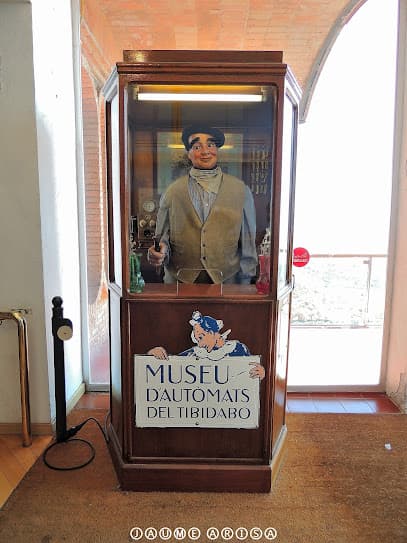
You’re standing on the edge of the world, or at least the edge of Barcelona, looking down from the Tibidabo peak. Most people are here for the Ferris wheel or the church that looks like a wedding cake on steroids. But you? You’re heading into a dark room filled with the mechanical ghosts of the 19th century. The Museu d'Autòmats isn't just a museum; it’s a fever dream of clockwork and brass, a place where the 'uncanny valley' was invented long before Silicon Valley existed. This is one of the best things to do in Barcelona if you have a taste for the beautiful and the slightly macabre.
Let’s get the legend out of the way first. In 1957, Walt Disney walked into this room. He saw these hand-crafted, gear-driven figures and, in typical American fashion, decided he had to own them. He pulled out a blank check and told the park’s management to name their price. They told him to kick rocks. That kind of stubborn, local pride is exactly why this place still feels vital. These aren't polished, digital animatronics designed by a committee to be 'safe' and 'family-friendly.' These are the obsessive creations of 19th-century craftsmen who weren't afraid to make things a little weird.
Walking through the doors of this former 1901 theater, the first thing that hits you is the smell—a mix of old wood, machine grease, and the faint ozone of vintage electronics. Then there’s the sound. It’s a cacophony of clicks, whirs, and the rhythmic thumping of wooden limbs. You don't just look at these exhibits; you interact with them. You press a button, a coin drops, and a century-old soul twitches to life. There’s the 'Mandolin Player,' whose movements are so fluid they’re almost disturbing, and then there’s 'The Execution.' It’s a grim, mechanical depiction of a prisoner meeting his end, complete with a priest and a stoic executioner. It’s dark, it’s honest, and it’s a far cry from the sanitized entertainment of modern theme parks.
The collection spans from the late 1800s to the mid-20th century, and it’s a window into what people used to find wondrous. Some are funny, some are tragic, and some are just plain bizarre. You’ll see a mechanical orchestra that looks like it belongs in a David Lynch film and dioramas that capture the mundane details of life in old Barcelona. It’s a testament to a time when 'magic' meant gears and pulleys, not pixels and algorithms. If you're looking for a side of the city that doesn't involve high-end shopping or polished plazas, this is your destination.
Is the Museu d'Autòmats worth visiting? Absolutely. But don't come here if you want high-definition screens or air-conditioned comfort. Come here if you want to feel the weight of history in a gear-turn. Come here to see the things that made your great-grandparents gasp in wonder. It’s a bit dusty, the lighting is moody, and some of the figures look like they might follow you home in a nightmare. But that’s the point. It’s real. It’s a piece of Barcelona that refused to be bought, refused to be modernized, and continues to twitch on its own terms. After you’ve had your fill of the mechanical spirits, step back out onto the terrace. The view of the city stretching toward the Mediterranean is spectacular, but after an hour with the automata, the modern world below looks a little less interesting.
Type
Museum, Tourist attraction
Duration
1 hour
Best Time
Late afternoon on a weekday to avoid the school groups and catch the sunset over the city afterward.
What People Say
automaton(5)amusement park(5)movement(3)price(3)light(2)curiosity(2)history(2)
Features
Museum
Tourist attraction
Categories
HistoryMechanical ArtsFamily FriendlyVintage
Ticket Prices
adult€19.00
child€10.50
senior€10.50
Opening Hours
- Monday11 AM to 6 PM
- Tuesday11 AM to 6 PM
- Wednesday11 AM to 6 PM
- Thursday11 AM to 6 PM
- Friday11 AM to 6 PM
- Saturday11 AM to 9 PM
- Sunday11 AM to 9 PM
Must-See Highlights
The Execution (El Suplicio de Garrote)
The Mandolin Player
The Clown on the Trapeze
The 1920s mechanical orchestra
Visitor Tips
The museum is included in the 'Panoramic Area' ticket, which is cheaper than the full park pass.
Bring small coins if you want to activate the older machines that aren't on the modern button system.
Combine this with a visit to the Sagrat Cor church next door for the best views in Barcelona.
Good For
History buffsFamilies with older childrenPhotography enthusiastsFans of the macabre
Why Visit
The collection Walt Disney tried (and failed) to buy in 1957
Housed in an original 1901 theater building at the city's highest point
Fully functional 19th-century mechanical figures you can activate yourself
Nearby Landmarks
- Temple Expiatori del Sagrat Cor (2-minute walk)
- Tibidabo Amusement Park (0-minute walk)
- Torre de Collserola (15-minute walk)
- Fabra Observatory (12-minute walk)
Accessibility
- Wheelchair accessible
- Elevator access to the Panoramic Area
Location
Parc d'Atraccions del Tibidabo, 3-4
Sarrià-Sant Gervasi, Barcelona
Nearby Hotels
Nearby Restaurants
In Sarrià-Sant Gervasi
ATTRACTION
Casa Narcís Bosch
Sarrià-Sant Gervasi
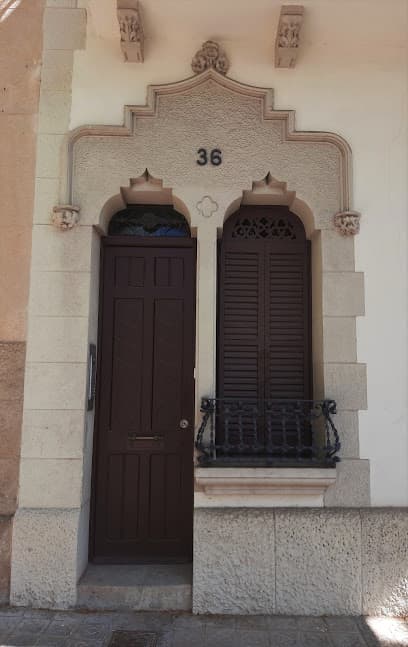
A Modernista fever dream tucked away in Sarrià, where Salvador Valeri i Pupurull’s stone curves and ironwork prove that Gaudí wasn't the only genius in town.
0.0(0)
Tourist attraction
ATTRACTION
Plaça de Calvó
Sarrià-Sant Gervasi
A quiet, unpretentious slice of Sant Gervasi where the only drama is a toddler losing a shoe. No Gaudí, no crowds, just trees, benches, and the sound of real life in the Zona Alta.
0.0(0)
Park
ATTRACTION
Pipican Piscines i Esports
Sarrià-Sant Gervasi
A dirt-caked arena of canine chaos set against the polished backdrop of Sarrià-Sant Gervasi, where the neighborhood’s elite and their four-legged shadows come to settle scores.
0.0(0)
Park
Frequently Asked Questions
Is the Museu d'Autòmats worth visiting?
Yes, especially if you appreciate vintage craftsmanship or the 'uncanny' aesthetic. It is one of the most significant collections of its kind in the world and offers a unique, slightly eerie break from standard tourist attractions.
How do I get to the Museu d'Autòmats?
Take the L7 train to Avinguda Tibidabo, then the Tibibus (T2A or T2B) or the Cuca de Llum funicular to the top of the mountain. The museum is located within the Tibidabo Amusement Park grounds.
Do I need a full amusement park ticket to see the museum?
No, you can purchase a ticket for the 'Area Panoràmica' (Panoramic Area), which includes the museum and access to the highest level of the park without paying for the full ride pass.
What is the Disney connection to the museum?
In 1957, Walt Disney visited the museum and was so impressed he offered to buy the entire collection with a blank check. The park owners famously refused, keeping the collection in Barcelona.
Reviews
0 reviews for Museu d'Autòmats
No reviews yet. Be the first to share your experience!