4.2
5,653 verified reviews
About
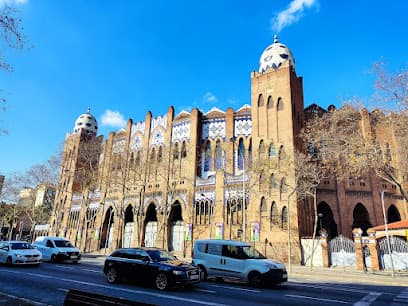
There is a heavy, lingering silence inside La Monumental that no amount of upbeat indie music or artisanal beer can quite drown out. You see it the moment you approach the intersection of Gran Via and Marina. It’s a gorgeous, sprawling beast of a building—a Neo-Mudéjar fever dream of blue and white ceramic tiles, Byzantine arches, and brickwork that looks like it was woven rather than laid. But don’t let the pretty face fool you. This was the arena of the sun and the shade, the place where the 'traje de luces'—the suit of lights—met the dust and the blood for nearly a century.
Opened in 1914, La Monumental was the last bastion of bullfighting in Catalonia. When the regional parliament pulled the plug on the spectacle in 2011, this was where the final curtain fell. José Tomás, the legendary matador, walked out of these gates on shoulders, marking the end of an era that some call art and others call butchery. Today, it stands as a massive, circular question mark in the middle of the Eixample. Is it a museum? A concert venue? A monument to a discarded identity? The answer is all of the above, and that’s exactly why it’s one of the most interesting things to do in Barcelona.
If you come during the day, you’re here for the Museu Taurí. It is, to put it bluntly, a shrine to a dead sport. It’s small, a bit dusty, and unapologetically macabre. You’ll find the taxidermied heads of famous bulls staring back at you with glass eyes, their lineage and date of death meticulously recorded. There are the capes, heavy with embroidery and history, and the suits worn by men who risked everything for a roar from the crowd. It’s not 'tourist-friendly' in the modern, sanitized sense. It’s raw. It’s a look into the soul of a Spain that Barcelona has largely decided to leave behind. Even if you find the subject matter repulsive, the craftsmanship of the artifacts and the sheer weight of the history are undeniable.
But then, the sun goes down, and the ghosts have to share the floor. La Monumental has reinvented itself through 'Monumental Club.' On select weekends, the sand is covered, food trucks roll into the ring, and the space fills with the kind of people who wouldn't know a 'veronica' from a 'muleta.' It’s a bizarre, brilliant juxtaposition. You’re standing in the center of a ring where half-ton beasts once charged, eating a bao bun and listening to a DJ set. It’s the ultimate Barcelona pivot—taking a controversial, blood-stained heritage and turning it into a community party.
Architecturally, it’s a knockout. Even if you never step foot inside the museum, walking the perimeter is worth the trip. It’s located just a ten-minute stroll from the Sagrada Família, yet it feels worlds away from the Gaudi-obsessed crowds. While everyone else is craning their necks at the basilica, you can stand here and contemplate the circularity of history. It’s a place of transition, a beautiful shell that refused to be demolished and instead chose to evolve. It’s honest, it’s slightly uncomfortable, and it’s quintessentially Spanish, even in its silence.
Type
Bullring, Event venue
Duration
1 hour
Best Time
Late afternoon for the best light on the ceramic tiles, or check the Monumental Club schedule for weekend festivals.
What People Say
history(144)occurrence(41)sagrada familia(38)matador(33)circus(26)facade(19)peña(13)1914(12)
Features
Bullring
Event venue
Historical landmark
Monument
Museum
Tourist attraction
Categories
ArchitectureMuseumEvent VenueHistory
Ticket Prices
adult€6.00
child€4.00
senior€4.00
Opening Hours
- MondayClosed
- Tuesday10 AM to 2 PM, 4 to 7 PM
- Wednesday10 AM to 2 PM, 4 to 7 PM
- Thursday10 AM to 2 PM, 4 to 7 PM
- Friday10 AM to 2 PM, 4 to 7 PM
- Saturday10 AM to 2 PM, 4 to 7 PM
- SundayClosed
Must-See Highlights
The ornate Neo-Mudéjar exterior facade
The 'Trajes de Luces' (suits of lights) in the museum
The view from the center of the arena floor
The original bull pens and infirmary areas
Visitor Tips
Check the Monumental Club website before visiting; the ring often hosts food truck festivals and concerts that offer a totally different vibe.
Combine this with a visit to the Sagrada Família as it's only a few blocks away but much less crowded.
The museum is traditional and doesn't shy away from the reality of bullfighting; skip it if you are highly sensitive to animal welfare issues.
Good For
History buffsArchitecture loversPhotography enthusiastsEvent seekers
Why Visit
The last active bullring in Catalonia, preserved in its original 1914 state
Stunning Neo-Mudéjar and Byzantine architecture featuring iconic blue and white ceramics
A rare, unvarnished bullfighting museum (Museu Taurí) with authentic matador artifacts
Nearby Landmarks
- 10-minute walk from Sagrada Família
- 12-minute walk from Westfield Glòries
- 5-minute walk from Estació del Nord
Accessibility
- Wheelchair accessible ground floor
- Accessible arena floor
- Limited access to upper seating tiers
Location
Gran Via de les Corts Catalanes, 749
Eixample, Barcelona
Nearby Hotels
Nearby Restaurants
In Eixample
ATTRACTION
Mural Margalef
Eixample
A towering splash of Mediterranean blue breaking the rigid geometry of Eixample, Joan Margalef’s mural is a visceral reminder that Barcelona’s soul isn't just in its museums.
0.0(0)
Tourist attraction
ATTRACTION
Mural Margalef
Eixample
A geometric middle finger to urban decay, this massive kinetic mural by Eduard Margalef turns a drab Eixample blind wall into a rhythmic, shifting explosion of optical art.
0.0(0)
Tourist attraction
ATTRACTION
Happy Foodies
Eixample
Forget the plastic-wrapped tourist traps; this is a deep dive into the grease, garlic, and soul of Catalan cooking where you actually learn to handle a knife and a porrón.
0.0(0)
Sightseeing tour agencyTour agency
Frequently Asked Questions
Is La Monumental still used for bullfighting?
No, bullfighting was banned in Catalonia in 2011. The venue is now used as a museum, a historical monument, and a space for concerts and food festivals like Monumental Club.
Is the bullfighting museum worth it?
If you are interested in Spanish history and the craftsmanship of bullfighting culture, yes. It is a small, traditional museum featuring suits of lights, capes, and taxidermy, offering a raw look at a controversial tradition.
How much are tickets for La Monumental?
General admission to the bullring and the museum typically costs around €6. Prices for special events like Monumental Club vary and usually require separate tickets.
How long do you need to visit La Monumental?
A standard visit to the museum and a walk around the arena takes about 45 to 60 minutes. If you are attending an event, you might stay for several hours.
Reviews
0 reviews for Monumental
No reviews yet. Be the first to share your experience!