4.7
282 verified reviews
About
You want to see the real Barcelona? Then get out of the Gothic Quarter. Stop breathing in the humidity and the desperation of a thousand selfie sticks and head uphill. Way uphill. Up where the air gets thinner, the apartment buildings get more expensive, and the tourists start to thin out. This is Sarrià-Sant Gervasi, and tucked away on Carrer del Císter is the Monestir de Santa Maria de Valldonzella. It’s not a museum, and it’s not a theme park. It’s a living, breathing fortress of brick and prayer.
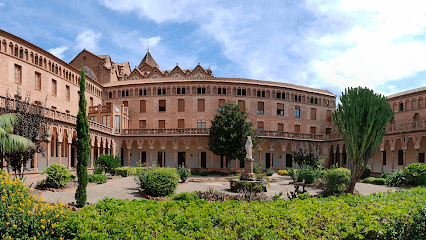
When you first see the place, it hits you differently than the Sagrada Família. There’s no white-knuckle crowd control here. It’s all brick—millions of them, it seems—laid out in a Neo-Gothic-meets-Modernista fever dream by Bernardí Martorell. Martorell was a disciple of Gaudí, but he didn’t have the old man’s obsession with melting stone. Instead, he worked with clay and geometry. The result is a structure that feels grounded, heavy, and permanent. It’s the kind of architecture that doesn’t ask for your attention; it demands your respect. The red brick glows in the afternoon sun, a sharp contrast to the thick, sun-drenched gardens surrounding the site.
Inside, the silence is heavy. It’s the kind of quiet that makes you realize how much noise you’ve been carrying around in your head. This is the home of a community of Cistercian nuns who have been moving their monastery around Barcelona since the 13th century like a holy game of musical chairs. They were in Collserola, then the Raval, then near the Sagrada Família, before finally settling here in the early 20th century. They’ve seen wars, plagues, and the rise of the tapas-tour-industrial complex, and they’re still here, doing exactly what they’ve always done.
If you time it right, you’ll hear the Gregorian chants. It’s a sound that bypasses the brain and goes straight to the nervous system. Even if you don’t have a religious bone in your body, there is something undeniably visceral about hearing those voices echoing off the vaulted ceilings. It’s a connection to a version of Barcelona that existed long before the first cruise ship docked at the port. The stained glass filters the light into bruised purples and deep oranges, casting long shadows across the stone floors worn smooth by decades of quiet footsteps.
Is it worth the trek? If you’re looking for a gift shop and a fast-track entry, probably not. But if you want to see what happens when faith meets world-class architecture in a neighborhood that doesn’t care if you show up or not, then yes. It’s one of the best things to do in Sarrià-Sant Gervasi precisely because it feels like a secret, even though it’s sitting right there in plain sight. It’s a reminder that the best parts of a city are often the ones that aren't trying to sell you anything.
Don't expect a welcome desk. This isn't a hospitality venture; it’s a cloistered community that values its privacy, and the hours can be a bit of a mystery if you don't check the schedule for mass. But that’s the point. This place exists for the women who live inside its walls, not for your itinerary. Respect the silence, leave the camera in your pocket for a minute, and just breathe in the smell of old incense and cold brick. It’s the most honest experience you’ll have in this city.
Type
Monastery, Tourist attraction
Duration
1-2 hours
Best Time
During evening vespers or Sunday morning mass to experience the Gregorian chants.
Guided Tours
Available
What People Say
nuns(18)architecture(8)peaceful(6)community(5)art nouveau(5)products(5)jewel(3)siblings(3)
Features
Monastery
Tourist attraction
Categories
ArchitectureReligious SiteModernista
Ticket Prices
Free Admission
No tickets required
Must-See Highlights
The intricate exterior brickwork and Neo-Gothic windows
The peaceful interior cloister (accessible via guided tour)
The main altar during a choral service
Visitor Tips
Dress modestly as this is an active religious community
Check the mass times on the website before visiting to ensure the church is open
Combine your visit with a trip to nearby Bellesguard for a full Modernista afternoon
Good For
Architecture enthusiastsSolo travelers seeking peaceHistory buffs
Why Visit
Stunning red-brick Modernista architecture by Bernardí Martorell
Active community of Cistercian nuns performing daily Gregorian chants
A rare, tranquil atmosphere completely removed from Barcelona's tourist crowds
Nearby Landmarks
- CosmoCaixa Barcelona (8-minute walk)
- Torre Bellesguard by Gaudí (10-minute walk)
- Jardins de la Tamarita (10-minute walk)
Accessibility
- Partial wheelchair access to the church
- Uphill walk required to reach the entrance
Location
Carrer del Císter, 43-45
Sarrià-Sant Gervasi, Barcelona
Nearby Hotels
Nearby Restaurants
In Sarrià-Sant Gervasi
ATTRACTION
Casa Narcís Bosch
Sarrià-Sant Gervasi
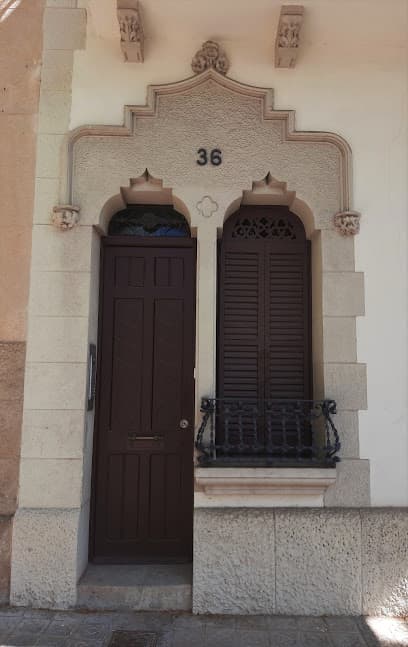
A Modernista fever dream tucked away in Sarrià, where Salvador Valeri i Pupurull’s stone curves and ironwork prove that Gaudí wasn't the only genius in town.
0.0(0)
Tourist attraction
ATTRACTION
Plaça de Calvó
Sarrià-Sant Gervasi
A quiet, unpretentious slice of Sant Gervasi where the only drama is a toddler losing a shoe. No Gaudí, no crowds, just trees, benches, and the sound of real life in the Zona Alta.
0.0(0)
Park
ATTRACTION
Pipican Piscines i Esports
Sarrià-Sant Gervasi
A dirt-caked arena of canine chaos set against the polished backdrop of Sarrià-Sant Gervasi, where the neighborhood’s elite and their four-legged shadows come to settle scores.
0.0(0)
Park
Frequently Asked Questions
Is Monestir de Santa Maria de Valldonzella worth visiting?
Yes, if you appreciate quiet, non-touristy spots and Modernista architecture. It offers a peaceful escape from the city center and a chance to hear authentic Gregorian chants.
When can I hear the Gregorian chants at the monastery?
The nuns typically perform Gregorian chants during daily mass and vespers. It is best to check their official website or call ahead for the current liturgical schedule.
How do I get to the monastery from central Barcelona?
Take the FGC train (Line L7) to the El Putxet or Av. Tibidabo stations, followed by a 10-15 minute walk uphill through the Sarrià neighborhood.
Is there an entrance fee for the monastery?
Entry to the church for mass is free, though donations are appreciated. Guided tours of the cloister and interior may require a fee and should be booked in advance.
Reviews
0 reviews for Monestir de Santa Maria de Valldonzella
No reviews yet. Be the first to share your experience!