4.5
2,882 verified reviews
About
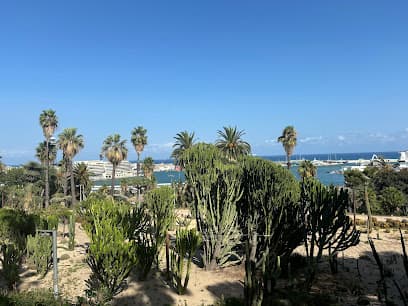
Forget the manicured lawns of the Horta Labyrinth or the tourist-choked, mosaic-tiled fever dreams of Gaudí. If you want to see the soul of Barcelona’s rugged Mediterranean coastline, you head to the southern slope of Montjuïc. Here, clinging to the cliffs like a stubborn barnacle, are the Jardins de Mossèn Costa i Llobera. It is not a 'pretty' garden in the conventional, floral-scented sense. It is a six-hectare collection of things that want to poke, prod, and survive you. It is one of the most significant collections of cacti and succulents in Europe, and it feels like a desert hallucination overlooking a container port.
Walking into this place is like stepping onto the set of a high-budget sci-fi film where the Earth has been reclaimed by sentient, prickly architecture. There are over 800 species here—towering saguaros that look like they wandered off a Western set, bulbous barrels that could be alien eggs, and sprawling carpets of succulents that defy the very idea of thirst. The garden exists because of a geological fluke: a microclimate. Sheltered from the biting northern winds by the bulk of the mountain and baking in the direct southern sun, this patch of dirt stays about two degrees warmer than the rest of the city. It’s a pocket of the sub-tropics carved into a Catalan hillside.
The experience of being here is defined by contrast. On one side, you have the ancient, slow-growing silence of plants that measure their lives in centuries. On the other, just a few hundred meters down the cliff, you have the frantic, clanking machinery of the Port of Barcelona. You see the massive yellow cranes, the stacks of multi-colored shipping containers, and the gargantuan cruise ships that look like floating apartment blocks. It is nature at its most resilient staring down industry at its most relentless. It’s a view that doesn’t ask for your approval; it just exists, raw and unfiltered.
The garden was opened in 1970, named after a Mallorcan poet, but it feels much older. There’s a sense of stillness here that you won’t find at the Sagrada Família or on the Rambla. You can spend an hour wandering the winding paths and encounter maybe three other people—usually a local painter, a serious botanist, or a couple looking for a place where the city’s noise can’t reach them. The air smells of dry earth and salt spray. There is no gift shop selling plastic trinkets. There are no tour guides with umbrellas. There is just the sun, the wind, and the thorns.
Is it for everyone? Absolutely not. If you need lush green grass and fountains to feel like you’re in a park, stay in the Eixample. But if you appreciate the brutal beauty of survival, if you want to see what happens when the desert meets the sea, this is the best garden in Barcelona. It’s a place to contemplate the fact that while empires rise and fall, and while tourists come and go in their thousands, a well-placed cactus just keeps growing, indifferent to it all. It’s honest, it’s quiet, and it’s slightly dangerous. In a city that is increasingly being polished for mass consumption, the Jardins de Mossèn Costa i Llobera remain gloriously, stubbornly sharp.
Type
Garden, Park
Duration
1-2 hours
Best Time
Late afternoon for the golden hour light and cooler temperatures.
What People Say
cacti(291)montjuic(68)walk(37)port(36)palm trees(31)strolling(22)tourist(21)peaceful(12)
Features
Garden
Park
Tourist attraction
Categories
BotanyPhotographyNatureViewpoint
Ticket Prices
Free Admission
No tickets required
Opening Hours
- Monday10 AM to 9 PM
- Tuesday10 AM to 9 PM
- Wednesday10 AM to 9 PM
- Thursday10 AM to 9 PM
- Friday10 AM to 9 PM
- Saturday10 AM to 9 PM
- Sunday10 AM to 9 PM
Must-See Highlights
The 'Old Man' cacti (Cephalocereus senilis) with their white hair
The massive barrel cacti near the lower entrance
The panoramic view of the container port from the central terrace
The collection of high-altitude Andean succulents
Visitor Tips
Bring water; there are very few facilities inside the garden itself.
Wear sunscreen even in winter, as the southern exposure is intense.
The garden is a 'heat trap,' making it a perfect visit for a chilly but sunny winter day.
Watch your step and your bags; the paths can be gravelly and it's a quiet area.
Good For
PhotographersSolitary travelersBotany enthusiastsBudget travelersCouples
Why Visit
Europe's premier outdoor cactus collection with over 800 rare species
Unique microclimate that is consistently 2 degrees warmer than the rest of Barcelona
Unrivaled panoramic views of the industrial port and Mediterranean Sea
Nearby Landmarks
- Miramar Overlook (5-minute walk)
- Jardins de Joan Brossa (8-minute walk)
- Telefèric de Montjuïc - Miramar Station (5-minute walk)
- Castell de Montjuïc (20-minute walk uphill)
Accessibility
- Paved main paths
- Some steep inclines
- Accessible from Miramar entrance
Location
Ctra. de Miramar, 38
Sants-Montjuïc, Barcelona
Nearby Hotels
Nearby Restaurants
In Sants-Montjuïc
ATTRACTION
Bolets1
Sants-Montjuïc
A gritty, earthy temple to the Catalan obsession with wild mushrooms, where the dirt is real, the fungi are seasonal gold, and the air smells like the damp floor of a Pyrenean forest.
0.0(0)
Tourist attraction
ATTRACTION
Montjuic aparca
Sants-Montjuïc
The unglamorous base camp for your Montjuïc assault. A tactical slab of asphalt where the city's chaos fades into the pine-scented ghosts of the 1992 Olympics.
0.0(0)
Tourist attraction
ATTRACTION
Паркінг Барселона
Sants-Montjuïc
A sprawling slab of industrial reality in the Zona Franca. No Gaudí here—just hot asphalt, diesel fumes, and the honest utility of a secure place to park your rig.
0.0(0)
Park
Frequently Asked Questions
Is Jardins de Mossèn Costa i Llobera worth visiting?
Yes, especially if you want to escape the crowds. It offers a unique, surreal landscape of 800+ cactus species and incredible industrial views of the port that you won't find anywhere else in the city.
How do I get to the cactus garden in Barcelona?
The easiest way is to take the Metro to Paral·lel (L2/L3) and then walk up the hill toward Miramar, or take the 150 bus from Plaça d'Espanya and get off near the Miramar overlook.
Is there an entrance fee for Jardins de Mossèn Costa i Llobera?
No, admission is completely free. It is a public municipal park maintained by the city of Barcelona.
What is the best time to visit the garden?
Go in the early morning or late afternoon. The garden faces south and acts as a heat trap, so midday in summer can be punishingly hot. The golden hour light makes the cacti look spectacular against the sea.
Reviews
0 reviews for Jardins de Mossèn Costa i Llobera
No reviews yet. Be the first to share your experience!