3.8
5 verified reviews
About
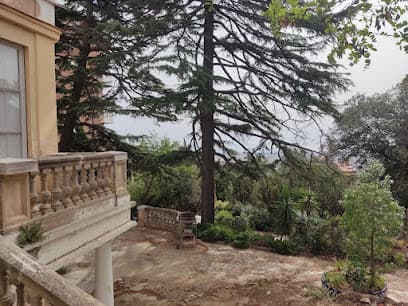
Barcelona is a city that sells its soul in increments, one souvenir magnet at a time. But if you climb high enough, past the Gaudí-themed chaos and the overpriced sangria of the center, you hit Sarrià. This is the 'Zona Alta.' It’s where the old money went to hide from the industrial soot of the 19th century, and where their descendants still live behind high walls and manicured hedges. The Jardins de la Villa Maria, also known as Can Viñas, is a small, jagged piece of that history that the city managed to claw back for the public.
It’s not a big park. It’s not a place for a marathon or a music festival. It’s a tiered, sloping garden that feels like you’ve accidentally wandered into someone’s private backyard—which, for a long time, is exactly what it was. The Villa Maria was an eclectic-style house, a monument to the aspirations of the Viñas family. Today, the house is gone or repurposed, but the bones of the estate remain. You walk in and the first thing you notice isn't the 'beauty'—it’s the silence. It’s a heavy, deliberate silence that swallows the sound of the city below.
The layout is a series of terraces connected by stone stairs that have seen better days. There are pines here that look like they’ve been leaning against the wind for a century, and holm oaks that cast shadows deep enough to hide a body. It’s damp, earthy, and smells like the Collserola hills that loom just above you. You won't find a gift shop here. You won't find a guy selling overpriced water. You might find a local retiree reading a newspaper with a grim expression, or a nanny pushing a stroller, but mostly, you’ll find yourself alone with the ghosts of a Barcelona that didn't care if you visited or not.
Is it 'worth it'? That depends on what you’re looking for. If you want the 'best gardens Barcelona' experience with fountains and rose bushes, go to the Parc de la Ciutadella and fight the crowds. But if you want to understand the DNA of this city—the part that remains aloof, aristocratic, and slightly suspicious of outsiders—then yes, take the hike up Carrer de Queralt. It’s a steep walk, the kind that makes your calves scream and reminds you that you’ve been eating too much crema catalana.
The real draw here isn't a statue or a plaque. It’s the way the light hits the stone walls in the late afternoon, turning everything the color of a bruised peach. It’s the glimpse of the Mediterranean through the gaps in the apartment blocks, a reminder that the sea is there, even if you’ve climbed away from it. It’s a place for the jaded, the tired, and the people who realize that the most expensive thing in Barcelona isn't a meal at a Michelin-starred restaurant—it’s five minutes of absolute, uninterrupted peace.
Don't come here expecting a show. Come here because you’re sick of the show. Bring a book, bring a bottle of water, and leave your expectations at the gate. The Jardins de la Villa Maria doesn't owe you anything, and in a city that’s constantly performing for your credit card, that’s the most honest thing you’re going to find.
Type
Garden
Features
Garden
Categories
GardenHistoryQuietArchitecture
Accessibility
- Limited accessibility due to steep slopes and stone stairs
- Main entrance has some incline
Location
Carrer de Queralt, 18
Sarrià-Sant Gervasi, Barcelona
Nearby
ATTRACTION
Parc de Santa Maria de Vallvidrera
650 m · Sarrià-Sant Gervasi
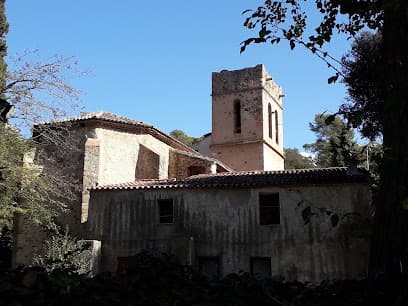
Forget the manicured lawns of the center; this is where Barcelona goes to breathe, hike, and occasionally dodge a wild boar in the shadow of a 16th-century church.
4.3(285)
Park
ATTRACTION
Collserola
700 m · Sarrià-Sant Gervasi
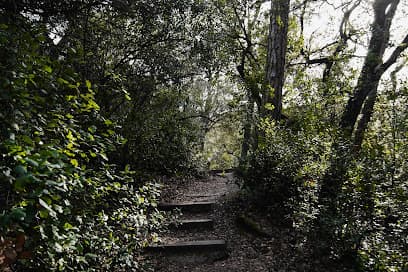
Barcelona’s massive, wild backyard is an escape from the city’s humid chaos, where wild boars roam and the views of the Mediterranean will make you forget your hangover.
4.8(48)
RESTAURANT
Can Martí Restaurant
€€550 m · Sarrià-Sant Gervasi
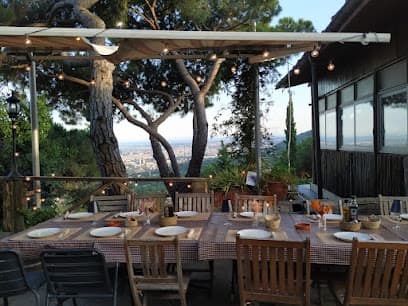
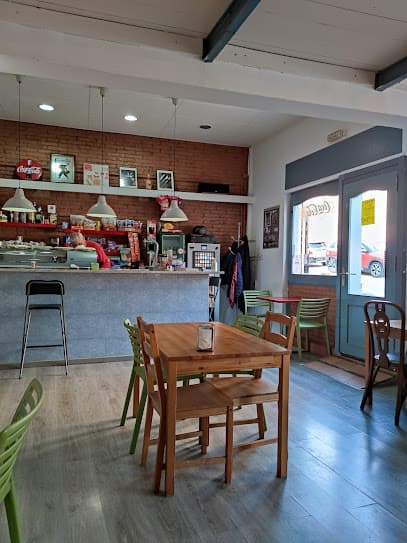
A gritty, glorious hilltop masia where the smell of woodsmoke and grilled botifarra competes with the best view of Barcelona you’ll ever find without a ticket.
4.3(1K)
Mediterranean restaurant
RESTAURANT
Bar Bodega Peu del Funicular
€€700 m · Sarrià-Sant Gervasi
A gritty, glorious outpost at the base of the mountain where the coffee is strong, the bocadillos are legendary, and the city's pretension finally starts to thin out.
4.3(146)
RestaurantBar
HOTEL
Inout Hostel
€1.2 km · Sarrià-Sant Gervasi
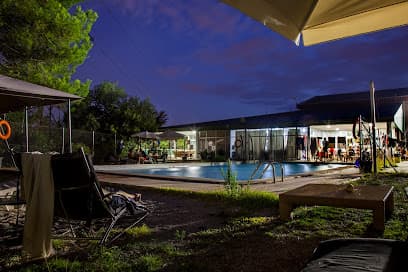
A mountain lodge with a soul, where the staff—mostly people with disabilities—run a social enterprise in the woods of Collserola, far from the tourist-choked Ramblas.
3.9(1K)
Youth hostelLodge
HOTEL
Gran Hotel La Florida
€€1.8 km · Sarrià-Sant Gervasi
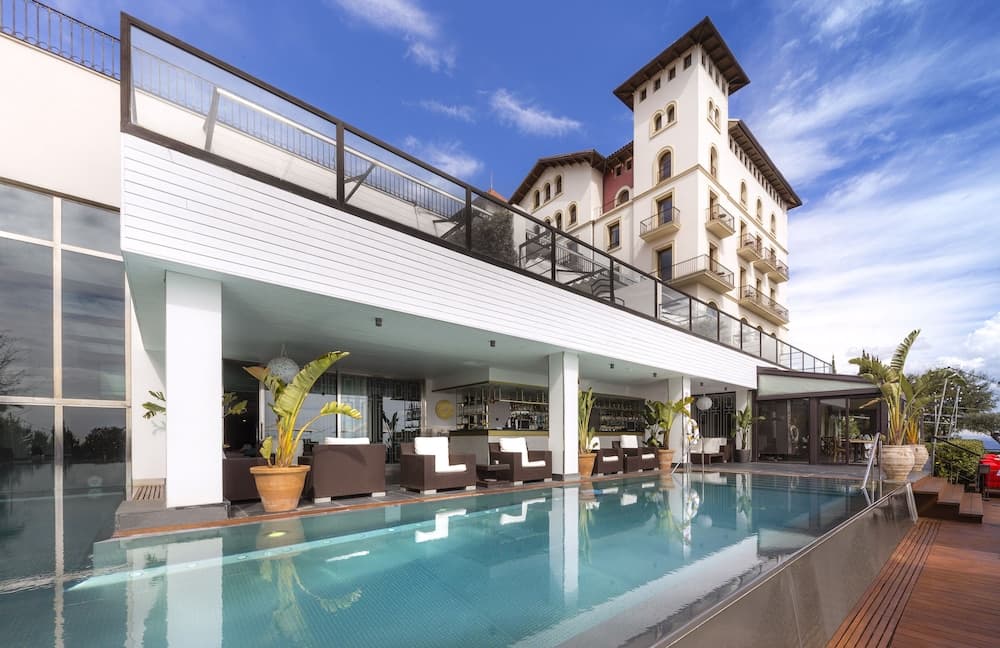
Perched 500 meters above the city, this 1924 legend is where you go to hide from the world with a gin and tonic and the best view of the Mediterranean you’ll ever find.
4.4(1K)
Hotel
Frequently Asked Questions
Is Jardins de la Villa Maria worth visiting?
Yes, if you value peace and local history over tourist attractions. It is a small, quiet space that offers a glimpse into the aristocratic past of the Sarrià neighborhood without the crowds.
How do I get to Jardins de la Villa Maria?
Take the FGC (L6 or S1/S2) to the Sarrià stop. From there, it is a steep 10-15 minute walk uphill via Carrer de Major de Sarrià and Carrer de Queralt.
Is there an entrance fee for the gardens?
No, the Jardins de la Villa Maria is a public park managed by the city and admission is completely free for all visitors.
What are the opening hours?
Like most municipal gardens in Barcelona, it typically opens at 10:00 AM and closes at sunset, which varies between 6:00 PM in winter and 9:00 PM in summer.
Reviews
0 reviews for Jardins de la Villa Maria (Can Viñas)
No reviews yet. Be the first to share your experience!