4.3
1,722 verified reviews
About
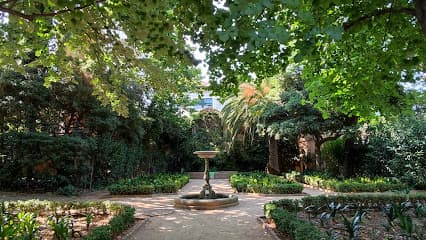
Step off the Passeig de Sant Gervasi and the first thing that hits you isn’t the smell of jasmine or the sight of manicured hedges—it’s the sudden, jarring absence of noise. One minute you’re dodging scooters and the frantic energy of upper-crust Barcelona, and the next, you’re standing in the two-hectare remains of a world that doesn’t exist anymore—or at least, one that has gone into a very comfortable retirement. The Jardins de la Tamarita isn’t a park designed for the masses; it’s a private estate that forgot to close its gates to the public.
Originally the playground of the Craywinckel family and later bought by the Mata family—industrialists who made their bones when Barcelona was the Manchester of the Mediterranean—this place feels like a stage set for a Victorian drama where everyone has gone home and the money has long since dried up. In the early 20th century, they brought in Nicolau Maria Rubió i Tudurí, a man who treated landscape architecture like high art, to impose some order on the greenery. He did a hell of a job. The garden is split into two distinct personalities: the formal, neoclassical side near the entrance, and the wilder, more chaotic 'romantic' woods across the bridge.
As you walk in, you’re greeted by the Four Continents—statues that have seen better days, looking out over stone ponds and boxwood hedges clipped with surgical precision. It’s all very civilized, very 'old money.' But cross the small bridge over the stream, and the vibe shifts. The trees get taller, the shadows get deeper, and the air gets heavier. This is where you’ll find the massive Robinia and the ancient oaks that have survived the city’s relentless expansion. It’s also where the mosquitoes, mentioned by every honest reviewer who has ever sat here, lie in wait. They are the price of admission for sitting in a place this green and this still.
You won’t find many selfie sticks here. You’ll find locals from the Sarrià-Sant Gervasi neighborhood who come to read in the shade of the bamboo groves or stare into the stagnant water of the fountains. There’s a playground for the kids, sure, but even that feels secondary to the overwhelming sense of peace. It’s a place for people who want to disappear for an hour without leaving the city limits.
Is it perfect? No. The fountains are sometimes dry, the stone is crumbling in places, and the vegetation can look a bit ragged around the edges during a dry spell. But that’s the charm. It’s honest. It’s a slice of Barcelona history that hasn’t been polished and packaged for a gift shop. If you’re looking for the best parks in Barcelona and you’re tired of the crowds at Park Güell, this is your sanctuary. It’s a reminder that even in a city as loud and vibrant as this one, there are still corners where you can hear yourself think—provided you don't mind a few bug bites while you do it. This is the Barcelona of the bourgeoisie, left to grow a little wild, and it’s all the better for it.
Type
Park, Tourist attraction
Duration
1 hour
Best Time
Morning or late afternoon before sunset for the best light and fewest crowds.
What People Say
reading(36)vegetation(23)peace(22)font(17)mosquito(14)relax(14)bank(13)dogs(12)
Features
Park
Tourist attraction
Categories
GardensArchitectureHistoryFamily Friendly
Ticket Prices
Free Admission
No tickets required
Opening Hours
- Monday10 AM to 8 PM
- Tuesday10 AM to 8 PM
- Wednesday10 AM to 8 PM
- Thursday10 AM to 8 PM
- Friday10 AM to 8 PM
- Saturday10 AM to 8 PM
- Sunday10 AM to 8 PM
Must-See Highlights
The Four Continents statues at the entrance
The massive century-old oak tree (Quercus robur)
The romantic-style bridge over the small stream
The bamboo grove near the back of the estate
Visitor Tips
Use mosquito repellent before entering, especially in summer.
Combine this with a visit to the nearby CosmoCaixa museum.
The park closes at sunset, so check the seasonal closing times before you go.
Good For
ReadersFamilies with small childrenCouples seeking a quiet walkHistory and architecture buffs
Why Visit
Neoclassical design by legendary landscape architect Nicolau Maria Rubió i Tudurí
A rare glimpse into the private estate gardens of Barcelona's 19th-century industrial elite
Extreme quiet and low tourist density compared to central Barcelona parks
Nearby Landmarks
- CosmoCaixa Science Museum (5-minute walk)
- Tibidabo Funicular Lower Station (10-minute walk)
- Torre Bellesguard by Gaudí (12-minute walk)
Accessibility
- Main paths are wheelchair accessible
- Some gravel sections and stairs near the stream bridge
Location
Pg. de St. Gervasi, 47
Sarrià-Sant Gervasi, Barcelona
Nearby Hotels
Nearby Restaurants
In Sarrià-Sant Gervasi
ATTRACTION
Casa Narcís Bosch
Sarrià-Sant Gervasi
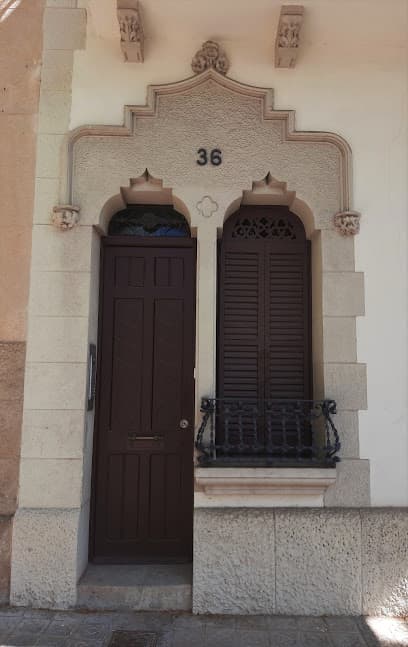
A Modernista fever dream tucked away in Sarrià, where Salvador Valeri i Pupurull’s stone curves and ironwork prove that Gaudí wasn't the only genius in town.
0.0(0)
Tourist attraction
ATTRACTION
Plaça de Calvó
Sarrià-Sant Gervasi
A quiet, unpretentious slice of Sant Gervasi where the only drama is a toddler losing a shoe. No Gaudí, no crowds, just trees, benches, and the sound of real life in the Zona Alta.
0.0(0)
Park
ATTRACTION
Pipican Piscines i Esports
Sarrià-Sant Gervasi
A dirt-caked arena of canine chaos set against the polished backdrop of Sarrià-Sant Gervasi, where the neighborhood’s elite and their four-legged shadows come to settle scores.
0.0(0)
Park
Frequently Asked Questions
Is Jardins de la Tamarita worth visiting?
Yes, if you want to escape the tourist center and experience a quiet, historic garden used primarily by locals. It is not a major 'sight' with big monuments, but it offers genuine peace and beautiful neoclassical architecture.
How much does it cost to enter Jardins de la Tamarita?
Admission is completely free. It is a public park managed by the Barcelona City Council.
What should I bring to the gardens?
Bring a book and, most importantly, mosquito repellent. The lush vegetation and water features make it a hotspot for bugs, especially in the late afternoon.
How do I get to Jardins de la Tamarita?
The easiest way is to take the FGC (Line L7) to the Av. Tibidabo station. The park entrance is just a short walk from the station on Passeig de Sant Gervasi.
Reviews
0 reviews for Jardins de la Tamarita
No reviews yet. Be the first to share your experience!