4.0
1,685 verified reviews
About
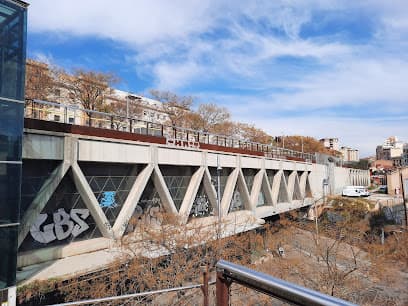
Sants is not the Barcelona you see on the postcards. It’s not the Gothic Quarter’s damp shadows or the Eixample’s grid of bourgeois dreams. Sants is a neighborhood that works for a living, and for over a century, it was a neighborhood divided. The railway tracks leading into Sants Station were a jagged, iron scar, cutting the barrio in half, drowning out conversations with the screech of the AVE and the rumble of the Rodalies. For years, the locals demanded a solution. They didn't get a tunnel—that would have been too expensive, too logical. Instead, they got the Jardins de la Rambla de Sants, a massive, elevated concrete sarcophagus for the trains, topped with a garden. It’s Barcelona’s version of the High Line, but without the high-end boutiques and the self-conscious posing.
Walking up the ramps at the Mercat Nou end, you feel the shift immediately. You’re leaving the street-level grit and rising into a space that feels like a futuristic promenade. The structure itself is a 760-meter-long box, thirty meters wide, held together by a skeleton of steel and glass that allows you to peer down into the belly of the beast—the trains still humming beneath your boots like a restless ghost. It’s an audacious piece of urban engineering, a way of saying, 'We can’t hide the noise, so we’ll build a park on top of it.'
The vegetation here isn't the manicured, thirsty grass of a suburban lawn. It’s Mediterranean and tough—rosemary, lavender, ivy, and climbing vines that are slowly reclaiming the concrete walls. In the spring, the scent of jasmine fights with the faint smell of ozone from the tracks below. There are shade structures that look like origami, providing the only respite from a sun that can be brutal on this exposed ridge. You won’t find many tourists here, and that’s the point. This is where the people of Sants come to reclaim their air. You’ll see old men in flat caps leaning against the railings, watching the city move; joggers pounding the pavement with a grim sense of purpose; and more dogs than you can count, all seemingly thrilled to be ten meters above the traffic.
From this height, the perspective of the neighborhood changes. You’re eye-level with the laundry hanging from third-story balconies. You see the inner lives of the apartment blocks that line the Carrer d'Antoni de Capmany. It’s an intimate, slightly voyeuristic way to see the city. To the north, the Tibidabo mountain looms; to the south, the industrial silhouette of Montjuïc. It’s a reminder that Barcelona is a city of layers, of constant reinvention.
Is it perfect? No. In the height of August, it’s a heat trap, a sun-baked slab of stone that’ll make you wish for a cold beer and a dark room. The 'rambla' moniker is a bit ambitious—it’s more of a linear park than a social hub. But it’s honest. It’s a triumph of community pressure and architectural grit. It’s a place that acknowledges the industrial reality of a modern city while trying to give the people a place to breathe. If you want the 'best parks Barcelona' list, you go to Ciutadella. If you want to see how a neighborhood heals itself, you come here. Grab a coffee at a nearby bar in Sants, walk the length of the gardens at sunset when the light hits the tracks just right, and appreciate the fact that sometimes, the city actually listens.
Type
Garden, Park
What People Say
strolling(46)dogs(36)exercise(28)space(27)train(20)graffiti(13)surveillance(9)botellón(9)
Features
Garden
Park
Tourist attraction
Categories
Urban DesignGardensArchitectureLocal Life
Opening Hours
- MondayOpen 24 hours
- TuesdayOpen 24 hours
- WednesdayOpen 24 hours
- ThursdayOpen 24 hours
- FridayOpen 24 hours
- SaturdayOpen 24 hours
- SundayOpen 24 hours
Accessibility
- Fully accessible via ramps and elevators at various entry points
Location
Carrer d'Antoni de Capmany, s/n
Sants-Montjuïc, Barcelona
Nearby
ATTRACTION
Badal
200 m · Sants-Montjuïc
An elevated concrete miracle in Sants where a massive railway scar was buried under 760 meters of Mediterranean gardens, pergolas, and the real life of a Barcelona barrio.
4.6(16)
Garden
ATTRACTION
Al-teu-kul
200 m · Sants-Montjuïc
A nondescript door in Sants that opens into a hushed, private sanctuary of local social culture. If you know, you know—and if you don't, you're just another tourist on the wrong street.
5.0(6)
Tourist attraction
RESTAURANT
Restaurante Can Coca
€€150 m · Sants-Montjuïc
A Sants neighborhood stronghold where the menú del día is a masterclass in value and the market-fresh Mediterranean cooking puts the overpriced tourist traps of the center to shame.
4.6(274)
RestaurantMediterranean restaurant
RESTAURANT
LUTE Bar & Bowls
€€200 m · Sants-Montjuïc
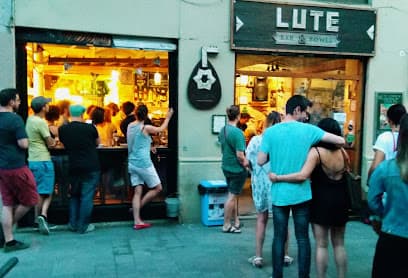
In the heart of Sants, LUTE is where the neighborhood comes to breathe, drink vermouth, and face-plant into some of the most unapologetically crisp bravas in Barcelona.
4.7(1K)
Tapas restaurantBar & grill
HOTEL
Sant Medir Apartments
250 m · Sants-Montjuïc
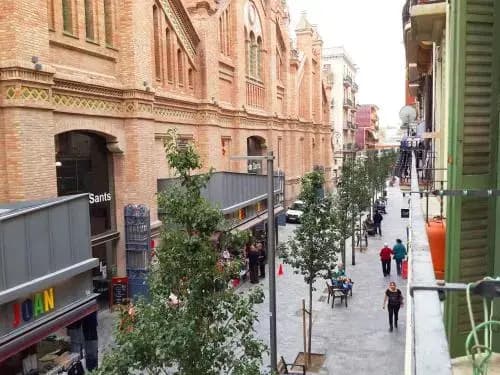
Forget the Gothic Quarter's tourist-choked alleys. These apartments in Sants are for those who want a real neighborhood, a local bakery, and a bed that doesn't cost a kidney.
4.3(6)
Hotel
HOTEL
Onefam Sants
€300 m · Sants-Montjuïc
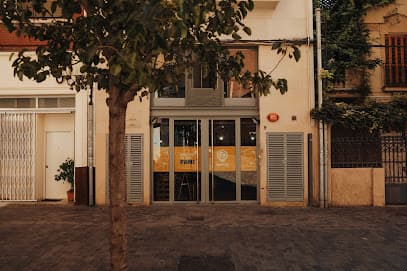
A loud, social, beer-soaked sanctuary in the working-class heart of Sants, where communal dinners and late-night pub crawls turn lonely solo travelers into a temporary, rowdy family.
4.4(703)
Youth hostelHostel
Frequently Asked Questions
Is Jardins de la Rambla de Sants worth visiting?
Yes, especially if you appreciate modern urban architecture and want to see a local, non-touristy side of Barcelona. It offers a unique perspective of the Sants neighborhood away from the crowds.
How do I get to Jardins de la Rambla de Sants?
The easiest way is via Metro Line 1 (Red) to the Mercat Nou station, which has direct access to the gardens, or Line 1/Line 5 to Plaça de Sants.
Is there an entrance fee for the gardens?
No, the Jardins de la Rambla de Sants is a public park and is completely free to enter and explore at any time during its opening hours.
What is the best time to visit?
Late afternoon or sunset is best. The park has very little shade, so midday in summer can be uncomfortably hot, but the evening light over the tracks and neighborhood is beautiful.
Reviews
0 reviews for Jardins de la Rambla de Sants
No reviews yet. Be the first to share your experience!