4.5
12,768 verified reviews
About
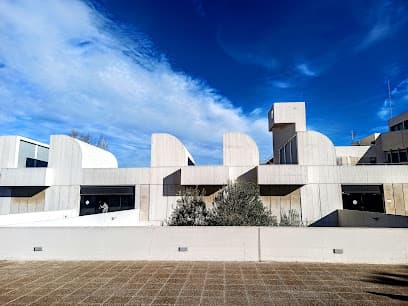
To understand Barcelona, you have to leave the sea-level chaos of the Rambla behind and head up the hill. Not for the views—though they are spectacular—but for the light. Up on Montjuïc, the light hits differently. It’s here, in a building that looks like a Mediterranean village reimagined by a minimalist monk, that you’ll find the soul of Joan Miró. The Fundació Joan Miró isn’t just a gallery; it’s a conversation between two friends: Miró and the architect Josep Lluís Sert. It’s one of the few places in the city where the architecture doesn't just house the art—it breathes with it.
Most tourists lose their minds in the narrow, claustrophobic halls of the Picasso Museum in El Born. Don't be that person. While they’re elbowing each other for a glimpse of a sketch, you should be up here, standing in front of a massive, primary-colored tapestry that feels like a punch to the gut. The Fundació is one of the best modern art museums in Barcelona precisely because it doesn't feel like a museum. There are no velvet ropes or stuffy guards breathing down your neck. It’s open, airy, and flooded with that brutal Mediterranean sun that Miró spent his life trying to capture.
You walk through the white arches and you’re immediately hit by the scale of it. Miró wasn't just playing with shapes; he was building a universe. You’ll see the 'Gold of the Azure' and the 'Wing of the Lark,' but the real sleeper hit is the Mercury Fountain by Alexander Calder. It’s tucked away behind glass because, well, it’s literally pumping liquid mercury. It’s beautiful, shimmering, and incredibly toxic—a perfect metaphor for the kind of art that actually matters. It was a gift to the Spanish Republic during the Civil War, a middle finger to fascism that still flows today. That’s the kind of history you don’t get from a hop-on-hop-off bus tour.
The experience is visceral. You move from the heavy, tactile weight of the 'Tapís de la Fundació'—a wool and hemp beast that dominates its room—to the rooftop terraces. This is where the magic happens. Sert designed these outdoor spaces so the sculptures could live under the sky, framed by the Barcelona skyline. You’re standing among these strange, totemic figures, looking down at the city, and suddenly the abstract stuff starts to make sense. It’s not about 'what is it?'; it’s about how it feels to be alive in this specific corner of the world.
Is Fundació Joan Miró worth it? If you’re looking for a checklist of famous paintings to tick off so you can tell your coworkers you’re cultured, maybe not. But if you want to see what happens when an artist is given the freedom to build his own temple, it’s essential. It’s a quiet, defiant space that honors the Catalan spirit without the kitsch. It’s honest. It’s bright. And it’s one of the few places in this increasingly crowded city where you can actually hear yourself think. Just take the funicular up, skip the gift shop fluff, and let the primary colors do the talking. You won't regret the climb.
Type
Modern art museum, Cultural center
Duration
2-3 hours
Best Time
Weekday mornings right at opening (10:00 AM) to enjoy the terraces in the softest light and avoid the small afternoon tour groups.
Guided Tours
Available
Audio Guide
Available
What People Say
audio guide(184)terrace(78)funicular(49)picasso museum(34)miró-picasso(33)hills(33)1975(15)barca(12)
Features
Modern art museum
Cultural center
Museum
Tourist attraction
Categories
Modern ArtArchitectureSculptureCatalan Culture
Ticket Prices
adult€15
child€0
senior€7
Opening Hours
- MondayClosed
- Tuesday10 AM to 7 PM
- Wednesday10 AM to 7 PM
- Thursday10 AM to 7 PM
- Friday10 AM to 7 PM
- Saturday10 AM to 7 PM
- Sunday10 AM to 7 PM
Must-See Highlights
The Mercury Fountain (Alexander Calder)
Foundation Tapestry (Tapís de la Fundació)
The Gold of the Azure painting
Rooftop Sculpture Terrace
The 'Barcelona Series' prints
Visitor Tips
Buy tickets online in advance to skip the queue, though it's rarely as long as the Picasso Museum.
The museum cafe has a lovely garden terrace that is much quieter than most tourist spots on the hill.
Combine this with a visit to the MNAC nearby for a full day of art on Montjuïc.
Good For
Art loversArchitecture enthusiastsCouplesSolo travelers seeking quiet
Why Visit
The Mercury Fountain by Alexander Calder, a unique and politically charged work using liquid mercury.
The building itself, designed by Josep Lluís Sert, is a masterpiece of Mediterranean rationalist architecture.
Rooftop terraces featuring Miró sculptures with panoramic views of the Barcelona skyline.
Nearby Landmarks
- 10-minute walk from Museu Nacional d'Art de Catalunya (MNAC)
- 5-minute walk from the Olympic Stadium (Estadi Olímpic)
- 8-minute walk from the Jardins de Joan Brossa
- 12-minute walk from the Magic Fountain
Accessibility
- Fully wheelchair accessible
- Elevators to all floors
- Accessible restrooms
- Wheelchairs available for loan
Location
Parc de Montjuïc, s/n
Sants-Montjuïc, Barcelona
Nearby Hotels
Nearby Restaurants
In Sants-Montjuïc
ATTRACTION
Bolets1
Sants-Montjuïc
A gritty, earthy temple to the Catalan obsession with wild mushrooms, where the dirt is real, the fungi are seasonal gold, and the air smells like the damp floor of a Pyrenean forest.
0.0(0)
Tourist attraction
ATTRACTION
Montjuic aparca
Sants-Montjuïc
The unglamorous base camp for your Montjuïc assault. A tactical slab of asphalt where the city's chaos fades into the pine-scented ghosts of the 1992 Olympics.
0.0(0)
Tourist attraction
ATTRACTION
Паркінг Барселона
Sants-Montjuïc
A sprawling slab of industrial reality in the Zona Franca. No Gaudí here—just hot asphalt, diesel fumes, and the honest utility of a secure place to park your rig.
0.0(0)
Park
Frequently Asked Questions
Is Fundació Joan Miró worth visiting?
Absolutely, especially if you prefer quiet, light-filled spaces over the crowded Picasso Museum. The combination of Sert's rationalist architecture and Miró's vibrant, large-scale works makes it one of the most cohesive art experiences in Europe.
How do I get to Fundació Joan Miró?
The best way is to take the Metro (L2 or L3) to Paral·lel and then catch the Funicular de Montjuïc. From the funicular station, it's a short, scenic 5-minute walk to the museum entrance.
What should I see at Fundació Joan Miró?
Don't miss the massive 'Tapís de la Fundació' tapestry, the toxic but mesmerizing Mercury Fountain by Alexander Calder, and the rooftop sculpture terrace for incredible views of Barcelona.
How long do you need at Fundació Joan Miró?
Allocate at least 2 hours. This gives you enough time to explore the permanent collection, the temporary exhibitions, and spend some time on the terraces without rushing.
Reviews
0 reviews for Fundació Joan Miró
No reviews yet. Be the first to share your experience!