4.6
49 verified reviews
About
To understand the Estadi Olímpic Lluís Companys, you have to understand the hill it sits on. Montjuïc isn’t just a park; it’s a layered cake of Barcelona’s triumphs and its darkest, most blood-soaked tragedies. You hike up here—or take the funicular like a civilized person—and you’re greeted by a facade that looks like a 1929 fever dream of classical grandeur. It’s a stone shell that’s seen more history than most European capitals see in a millennium. This is the place that was supposed to host the 1936 People’s Olympiad, the middle finger to Hitler’s Berlin games, only for the Spanish Civil War to explode the day before the opening ceremony. The athletes traded their track spikes for rifles. That’s the kind of heavy air you’re breathing up here.
Inside, the stadium is a different beast entirely. It was gutted and reborn for the 1992 Olympics, the moment Barcelona finally shook off the gray dust of the Franco years and screamed to the world that it was back. It’s clean, functional, and massive, capable of holding 54,000 screaming souls. Right now, it’s serving as the temporary sanctuary for FC Barcelona while they renovate the Camp Nou. If you’re here for a match, you’ll see the Blaugrana faithful making the pilgrimage up the hill, a river of jerseys flowing past the fountains and the museums. It’s a different vibe than the old stadium—more exposed, more wind-whipped, but with a view of the city skyline that’ll make you forget the score for a second.
When the stadium is empty, it’s even more haunting. You can usually walk up to the Marathon Gate and peer into the bowl for free. There’s a strange silence to a vacant stadium of this scale. You look at the Olympic cauldron and you can almost see the flaming arrow from the '92 opening ceremony arching through the night sky. It’s a monument to ambition. But let’s be real: it’s also a bit of a trek. If there’s no event on, you’re here for the architecture and the weight of the past. The wind up here is indifferent to your comfort; it’s often ten degrees colder than the Rambla, and the sun will bake you alive on the concrete steps if you aren't careful.
Is it worth the hike? If you give a damn about how cities define themselves, then yes. It’s not a tourist trap because it doesn’t try to sell you a sanitized version of anything. It’s a working stadium that’s been a fortress, a symbol of resistance, and a stage for the greatest athletes on earth. It’s named after Lluís Companys, the Catalan president executed by a firing squad at the castle just up the road. That’s Barcelona for you—beauty and brutality, side by side, overlooking a Mediterranean that’s seen it all before. Don’t just come for the photo of the rings. Come to feel the ghosts of the people who wanted to run for freedom in '36 and the ones who finally got to celebrate in '92.
For anyone poking around Montjuïc, the Estadi Olímpic Lluís Companys is a heavy presence that's hard to ignore. If you’re catching a high-stakes La Liga match or just wandering the Olympic Ring (Anella Olímpica), the sheer scale of the place demands respect. It’s a reminder that stadiums aren't just about grass and scoreboards; they are the cathedrals of the modern age, built on the ruins of the old ones. Just bring a jacket, wear decent shoes, and don't expect the concessions to be anything other than overpriced stadium swill. You’re here for the soul of the city, not a gourmet meal.
Type
Tourist attraction
Duration
1-2 hours
Best Time
Late afternoon for the best light on the facade and city views, or match days for the atmosphere.
What People Say
olympic(6)1992(3)barcelona(3)montjuïc(2)communication(2)
Features
Tourist attraction
Categories
SportsArchitectureHistoryOlympic Heritage
Ticket Prices
Free Admission
No tickets required
Must-See Highlights
The Marathon Gate for the best interior view
The Olympic Cauldron where the flame was lit in 1992
The 1929 neoclassical facade
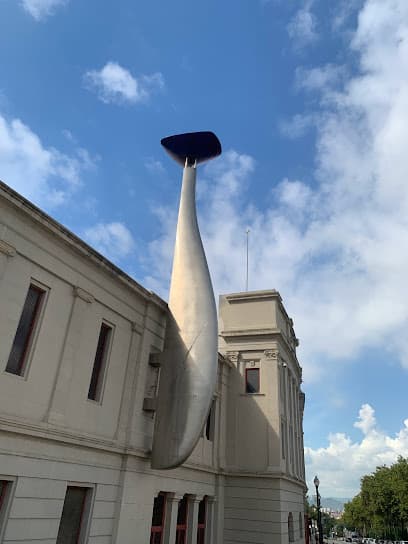
The nearby Calatrava Tower
Visitor Tips
Bring a windbreaker even in summer; the hilltop is notoriously breezy.
Check the FC Barcelona schedule before visiting, as the area becomes extremely crowded and restricted on match days.
Visit the nearby Olympic and Sports Museum for a deeper dive into the '92 games.
Good For
Sports fansHistory enthusiastsArchitecture loversFamilies
Why Visit
The 1929 original facade combined with a modern 1992 Olympic interior
Current temporary home of FC Barcelona (Barça) matches
Panoramic views of the Barcelona skyline from the surrounding Olympic Ring
Nearby Landmarks
- Palau Sant Jordi - 2-minute walk
- Torre Calatrava (Communications Tower) - 3-minute walk
- Fundació Joan Miró - 12-minute walk
- Museu Nacional d’Art de Catalunya (MNAC) - 15-minute walk
- Castell de Montjuïc - 20-minute walk or 5-minute bus ride
Accessibility
- Wheelchair accessible entrances
- Accessible seating areas
- Elevators available for event days
Location
Av. de l'Estadi, 69, B
Sants-Montjuïc, Barcelona
Nearby Hotels
Nearby Restaurants
In Sants-Montjuïc
ATTRACTION
Bolets1
Sants-Montjuïc
A gritty, earthy temple to the Catalan obsession with wild mushrooms, where the dirt is real, the fungi are seasonal gold, and the air smells like the damp floor of a Pyrenean forest.
0.0(0)
Tourist attraction
ATTRACTION
Montjuic aparca
Sants-Montjuïc
The unglamorous base camp for your Montjuïc assault. A tactical slab of asphalt where the city's chaos fades into the pine-scented ghosts of the 1992 Olympics.
0.0(0)
Tourist attraction
ATTRACTION
Паркінг Барселона
Sants-Montjuïc
A sprawling slab of industrial reality in the Zona Franca. No Gaudí here—just hot asphalt, diesel fumes, and the honest utility of a secure place to park your rig.
0.0(0)
Park
Frequently Asked Questions
Is Estadi Olímpic Lluís Companys worth visiting?
Yes, especially for sports fans and history buffs. It offers a powerful look at Barcelona's 1992 Olympic legacy and currently serves as the home for FC Barcelona matches until 2026.
How do I get to the Olympic Stadium in Barcelona?
Take the Funicular de Montjuïc from Paral·lel metro station, then walk 10-15 minutes, or take the 150 bus from Plaça d'Espanya which drops you right at the stadium entrance.
Can I enter the stadium for free?
When no matches or concerts are scheduled, you can usually view the interior for free from the 'Porta de la Marató' (Marathon Gate). Full access to the stands typically requires a ticket for an event.
Is this where FC Barcelona plays now?
Yes, FC Barcelona is playing all home games here during the 2024-2025 and part of the 2025-2026 seasons while the Spotify Camp Nou undergoes major renovations.
Reviews
0 reviews for Estadi Olímpic Lluís Companys
No reviews yet. Be the first to share your experience!