4.5
91 verified reviews
About
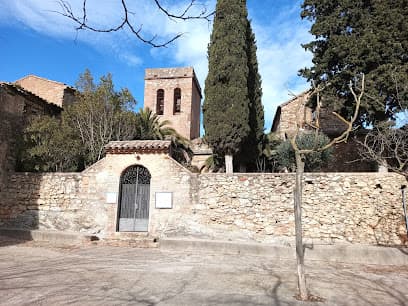
Forget the Sagrada Família for a second. Forget the crowds, the selfie sticks, and the guys selling plastic birds on the Rambla. If you want to see the bones of this city—the real, ancient, unwashed skeleton of Catalonia—you have to head up. You have to climb into the Serra de Collserola until the air thins out and the sound of traffic is replaced by the wind whistling through the pines. This is where you’ll find the Ermita de Santa Creu d’Olorda.
It’s not a grand cathedral. It’s a small, stubborn stone chapel that’s been clinging to this hillside since at least the 9th century. It’s Pre-Romanesque, Romanesque, and a bit of everything else that’s happened since. It’s seen wars, plagues, and the slow creep of the city below, and it doesn’t seem particularly impressed by any of it. The architecture is simple, functional, and beautiful in that way only a thousand-year-old building can be. It’s a place built by people who knew that life was hard and that God probably preferred a sturdy wall to a gilded altar.
But nobody comes here just for the architecture. You come here for the atmosphere. On the weekends, this place is a raucous, full-tilt collision of local life. There’s a 'merendero'—a picnic area—nearby where the air is thick with the smell of burning holm oak and sizzling botifarra. This is the Barcelona of the locals: families hauling coolers full of beer and meat, mountain bikers covered in dust, and hikers who look like they’ve been walking since the 1970s. It’s loud, it’s smoky, and it’s glorious. People rent the BBQ pits, buy some charcoal, and spend the afternoon arguing over football and politics while the kids run wild in the dirt. It’s the antithesis of the 'curated' tourist experience.
Just a short walk from the chapel is the Pedrera dels Ocells, an old quarry that nature has slowly started to reclaim. It’s a strange, jagged landscape that feels like a film set for a movie about the end of the world. Then there’s the Mirador de la Creu d’Olorda. Stand there, look out over the Llobregat valley, and you’ll see the city spread out like a map. From up here, the chaos of Barcelona looks manageable. You can see the Mediterranean shimmering in the distance and the industrial sprawl of the outskirts, all framed by the rugged greenery of the park.
Is it perfect? No. The service at the nearby bar can be as gruff as the terrain, and if you come on a Sunday afternoon, you’ll be fighting for a square inch of picnic table. The chapel itself is often locked, its interior a mystery to most who visit. But that’s not the point. You don’t come here to be catered to. You come here to remind yourself that there is a world outside the Gothic Quarter, a world that smells like dry earth and woodsmoke. It’s a place for people who don’t mind a bit of grit under their fingernails and a long walk to find a view that hasn’t been packaged and sold a million times over. It’s honest. It’s old. And in a city that’s increasingly becoming a theme park, it’s essential.
Type
Tourist attraction, Chapel
What People Say
price(3)historical(3)picnic tables(2)coal(2)bike(2)grill(2)bocadillos(2)saturday(2)
Features
Tourist attraction
Chapel
Categories
Religious SiteHistoryHikingNature
Accessibility
- Limited accessibility
- Rough gravel paths
- Accessible by car to the parking area
Location
Sarrià-Sant Gervasi, Barcelona
Nearby
ATTRACTION
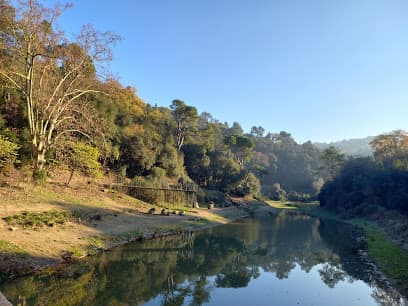
Vallvidrera Reservoir
3.3 km · Sarrià-Sant Gervasi
A 19th-century brick dam reclaimed by the forest, where the city’s noise dies and feral boars wait for you to drop a sandwich. It’s Barcelona’s backyard, raw and unpolished.
4.0(3K)
ParkTourist attraction
ATTRACTION
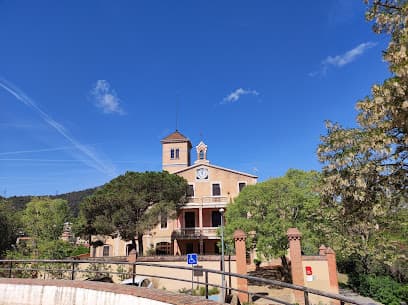
MUHBA Vil•la Joana
3.5 km · Sarrià-Sant Gervasi
A haunted, sun-drenched farmhouse in the Collserola hills where Catalonia’s greatest poet came to die among the pines, far from the tourist-choked streets of the Rambla.
4.4(360)
MuseumTourist attraction
RESTAURANT
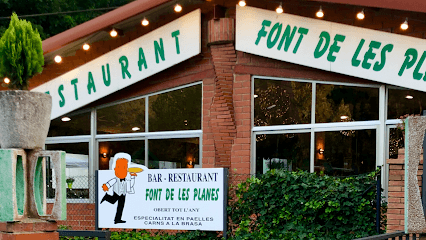
Font de Les Planes
€€2.8 km · Sarrià-Sant Gervasi
A smoky, loud, and glorious temple to the grill where the city ends and the forest begins. No frills, just fire, charred meat, and the best calçotadas in the Collserola hills.
4.2(3K)
Restaurant
RESTAURANT
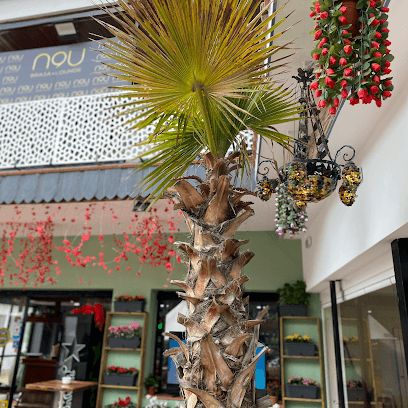
f9cs Restaurant
€€3.3 km · Sarrià-Sant Gervasi
A smoke-filled mountain escape where the scent of grilled lamb and woodfire cuts through the Collserola pines, served alongside a waterfall and the clatter of the FGC train.
4.1(1K)
Restaurant
HOTEL
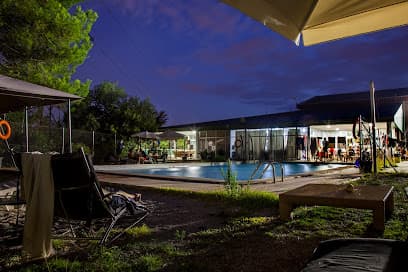
Inout Hostel
€3.3 km · Sarrià-Sant Gervasi
A mountain lodge with a soul, where the staff—mostly people with disabilities—run a social enterprise in the woods of Collserola, far from the tourist-choked Ramblas.
3.9(1K)
Youth hostelLodge
HOTEL
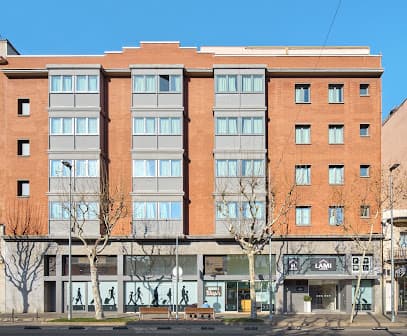
Hostal Lami
€4.8 km · Barcelona
A no-nonsense outpost on the city's edge where the tram hums outside and the rooms are as honest as a glass of house red. It’s built for those who value a clean bed over a velvet lobby.
4.1(1K)
Hotel
Frequently Asked Questions
Is Ermita de Santa Creu d’Olorda worth visiting?
Yes, if you want to escape the tourist crowds and experience a rugged, local side of Barcelona. It offers 9th-century history, incredible hiking trails, and a traditional BBQ atmosphere that you won't find in the city center.
How do I get to Santa Creu d’Olorda?
The easiest way is by car via the BV-1468 road. Alternatively, you can take the FGC train to Baixador de Vallvidrera and hike through the Collserola Park, which takes about 1.5 to 2 hours depending on your pace.
Can I use the BBQ pits at Santa Creu d’Olorda?
Yes, there is a recreational area with BBQ pits (parrillas). You usually need to pay a small fee for a table and buy charcoal or wood on-site. It gets very busy on weekends, so arrive early.
What should I wear to visit?
Wear sturdy walking shoes or hiking boots. The terrain is rocky and dusty. Even if it's warm in the city, it can be significantly cooler and windier up in the hills, so bring a light jacket.
Reviews
0 reviews for Ermita de Santa Creu d’Olorda
No reviews yet. Be the first to share your experience!