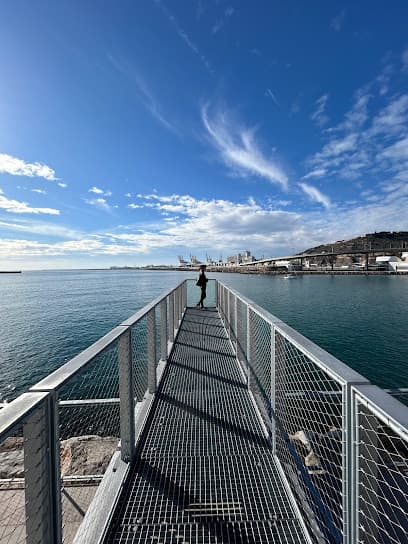
4.5
28 verified reviews
About
You’re standing at the edge of Barceloneta, where the city finally runs out of pavement and surrenders to the Mediterranean. Looming over you is a rusted, iron-lattice giant that looks like it was bolted together by men who didn’t believe in safety harnesses or modern litigation. This is the Torre de Sant Sebastià, the anchor for the Transbordador Aeri del Port, and at its crown sits the Edifici Mirador. It’s not a 'tourist attraction' in the sense of a shiny, air-conditioned mall; it’s a relic of a time when Barcelona wanted to show the world it could touch the sky, specifically for the 1929 International Exposition.
Getting here requires a walk past the overpriced paella joints and the guys selling knock-off sneakers on blankets. You reach the end of the line, the very tip of the pier, and there it is. The elevator ride up is a sensory experience in itself—a rattling, vertical journey that makes you acutely aware of the 78 meters of empty space between your boots and the ground. If you’re looking for a sanitized, hermetically sealed experience, go to a museum. This is for people who want to feel the wind whistling through the girders.
Once you step out at the top, the payoff is immediate and visceral. This is arguably the best views Barcelona has to offer, but it’s not the postcard version. From here, you see the real machinery of the city. You see the massive ferries churning up the turquoise water as they head for Ibiza, the industrial cranes of the commercial port looking like prehistoric birds, and the glitzy, glass-walled W Hotel standing like a sail in the wind. To the west, the city spreads out like a spilled box of grey and ochre tiles, with the Sagrada Família poking its spires through the haze like a divine thumb. It’s a 360-degree perspective that puts the entire Mediterranean basin into context.
The atmosphere is heavy with the smell of salt and diesel, a reminder that despite the tourism, this is still a working port. There’s a certain melancholy to the ironwork, a faded grandeur that modern architecture just can’t replicate. You’ll see people clutching the railings with white knuckles while others try to frame the perfect shot of the cable cars—those little red-and-white tin cans—swinging precariously across the harbor toward Montjuïc. It’s a vantage point that makes you feel small, which is exactly what a good lookout should do.
Let’s be honest: it’s not cheap. You’re paying for the engineering and the perspective, not for a long, drawn-out experience. The service at the ticket booth can be as salty as the sea air, and if the wind picks up, the whole structure feels like it’s breathing. But is Edifici Mirador worth it? If you want to see the scale of the Mediterranean, if you want to understand how the mountains meet the sea, and if you want to escape the claustrophobia of the Gothic Quarter for twenty minutes, then yes. It’s a raw, unfiltered look at a city that refuses to be tamed.
Don’t come here at noon when the sun is trying to melt the asphalt. Come late in the afternoon when the light turns golden and the shadows of the Montjuïc hill start to stretch across the water. It’s the kind of place that reminds you why people have been fighting over this stretch of coastline for thousands of years. It’s high, it’s windy, it’s a little bit scary, and it’s absolutely real. Just don't look down if you've had too many vermouths at lunch.
Type
Tourist attraction
What People Say
sea(3)
Features
Tourist attraction
Categories
ArchitectureViewpointHistoryTransport
Accessibility
- Elevator access to the top
- Limited space in cable cars for large wheelchairs
Location
Pg. de Joan de Borbó, 80
Ciutat Vella, Barcelona
Nearby
ATTRACTION
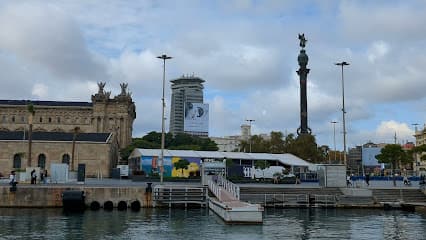
Plaça de Las Golondrinas
300 m · Ciutat Vella
The edge of the city where diesel fumes of old wooden boats meet the salt spray of the Mediterranean. It’s not a park; it’s a gritty, beautiful gateway to the deep blue.
4.5(2)
Park
ATTRACTION
Luxe Boramar Yacht
300 m · Ciutat Vella
Trade the sweat-soaked crowds of the Gothic Quarter for the hum of a diesel engine and the sharp, salt-spray slap of the Mediterranean on a private yacht.
0.0(0)
Tourist attraction
RESTAURANT
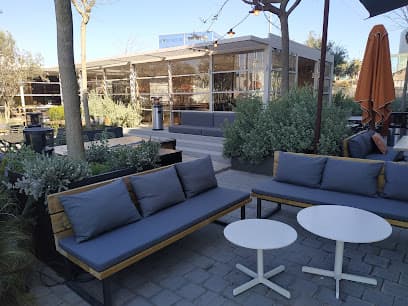
Camping Mar
€€€350 m · Ciutat Vella
A glass-walled outpost at the edge of the Mediterranean where the rice is scorched to perfection and the view of the masts makes you want to steal a boat and head for the horizon.
4.2(720)
Mediterranean restaurant
RESTAURANT
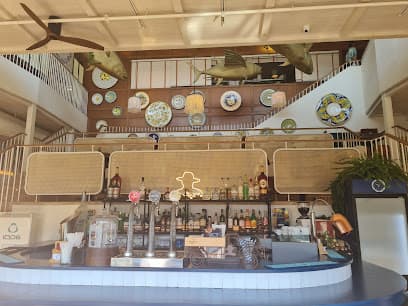
Velissima | Restaurante Italiano en Barcelona
350 m · Ciutat Vella
A high-octane collision of vintage Italian swagger and late-night revelry where the pasta comes with a side of live performance and the Mediterranean breeze hits your face at Marina Vela.
4.3(2K)
Italian restaurantMediterranean restaurant
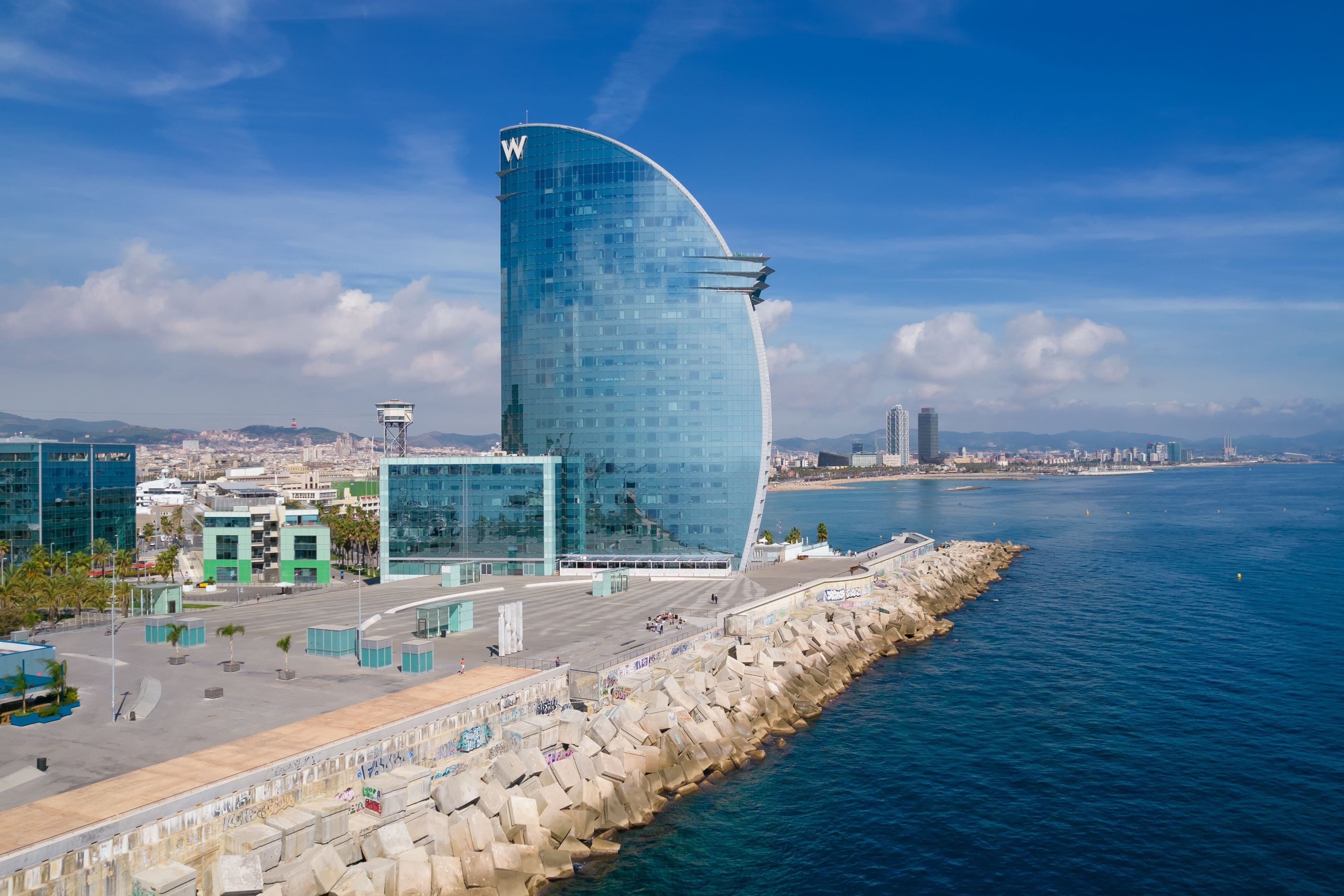
HOTEL
W Barcelona
€€€€500 m · Ciutat Vella
A giant glass sail cutting into the Mediterranean, where the cocktails are expensive, the views are obscene, and everyone looks like they just stepped off a yacht they don't actually own.
4.4(17K)
HotelMeeting planning service
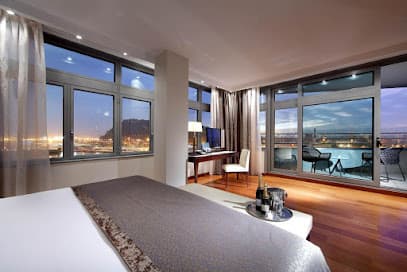
HOTEL
Eurostars Grand Marina
€€800 m · Ciutat Vella
A glass-and-steel fortress at the edge of the Mediterranean, where the city’s chaos fades into the hum of departing cruise ships and the smell of salt air.
4.2(3K)
Hotel
Frequently Asked Questions
Is Edifici Mirador worth visiting?
Yes, if you want the most dramatic 360-degree views of the port and the Mediterranean. It's a historic 1931 structure that offers a perspective you won't get from any rooftop bar.
How much do tickets cost for the Port Vell cable car?
As of 2024, a one-way trip is approximately €12.50 and a return trip is around €20.00. Check the official Transbordador Aeri website for the most current pricing.
What is the best time to visit Edifici Mirador?
Late afternoon is ideal to avoid the midday heat and catch the 'golden hour' light over the harbor. Be prepared for queues during peak summer months.
How do I get to Edifici Mirador?
Walk to the very end of Passeig de Joan de Borbó in Barceloneta. The tower (Torre de Sant Sebastià) is unmistakable at the edge of the pier.
Reviews
0 reviews for Edifici Mirador
No reviews yet. Be the first to share your experience!