4.9
8 verified reviews
About
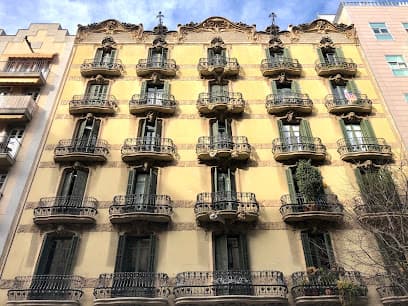
Look, I get it. You’ve done the Gaudí pilgrimage. You’ve stood in the sweltering heat outside the Sagrada Família, and you’ve paid the price of a decent steak dinner just to shuffle through the crowded hallways of Casa Batlló. But if you want to understand the real soul of the Eixample—the grid that defines Barcelona—you need to walk away from the gift shops. You need to find the places where the city actually breathes. Casa Segarra, sitting at Carrer de Provença 185, is one of those places. It’s a middle finger to the mundane, wrapped in floral motifs and forged iron.
Built between 1904 and 1907, this isn't a museum. It’s a living, breathing residential building. It was designed by Josep Masdeu i Puigdemasa, a name that doesn't carry the rock-star weight of Gaudí or Puig i Cadafalch, but frankly, that’s why it’s better. There are no velvet ropes here. No audio guides whispering rehearsed platitudes into your ear. It’s just you, the sidewalk, and a staggering display of Catalan Modernisme architecture that most tourists walk right past on their way to something they saw on Instagram.
The facade is a riot of stone and metal. Look up at the 'tribunes'—those distinctive projecting bay windows that are the hallmark of Eixample wealth. The stone carvings are intricate, organic, and slightly obsessive, crawling up the walls like petrified vines. The wrought iron work on the balconies is particularly vicious—dark, twisted, and beautiful, forged by craftsmen who actually gave a damn about their trade. It represents a time when Barcelona was exploding with new money and an even newer identity, and every bourgeois family wanted their home to be a temple to the avant-garde.
What makes Casa Segarra worth the detour is the honesty of it. You’re standing in a neighborhood where people actually live, work, and complain about the price of gin-and-tonics. You might see a resident coming out the front door with a bag of groceries, or a delivery guy leaning his bike against the ornate entrance. This is the best Art Nouveau Barcelona has to offer because it hasn't been sterilized for mass consumption. It’s still part of the city’s daily rhythm.
If you’re doing a DIY Barcelona architecture tour, this is a mandatory stop. It’s located in the heart of the Eixample, a neighborhood built on the utopian (and slightly ego-driven) dreams of Ildefons Cerdà. While the rest of the world was building boring boxes, Barcelona was building this. Is Casa Segarra worth it? Absolutely. It costs you nothing but ten minutes of your time and a little bit of neck strain from looking up.
After you’ve finished staring, don't just head back to the Rambla. You’re in a prime spot. Walk a few blocks over to Enric Granados for a glass of vermouth, or head down to the Mercat del Ninot to see where the locals actually buy their shrimp. This is the Barcelona that matters—the one that exists in the shadows of the big monuments, carved into the very stone of the streets you’re walking on. Casa Segarra is a reminder that beauty doesn't always need a ticket booth.
Type
Tourist attraction
What People Say
art nouveau(2)building(2)
Features
Tourist attraction
Categories
ArchitectureModernismeArt NouveauHistory
Accessibility
- Viewable from the public sidewalk
- Flat terrain in the surrounding Eixample neighborhood
Location
Carrer de Provença, 185
Eixample, Barcelona
Nearby
ATTRACTION
Cases Jeroni F. Granell
200 m · Eixample
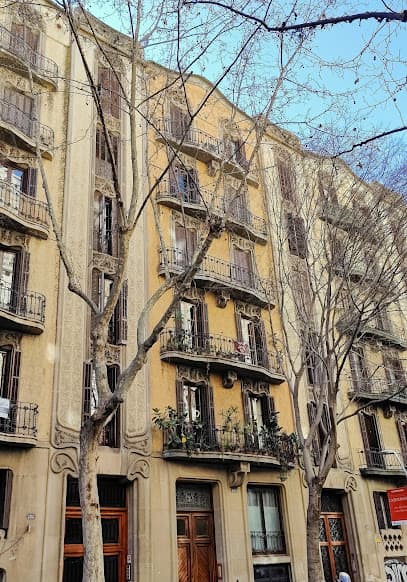
A masterclass in Modernista ego and stained-glass wizardry, these residential facades prove that in the Eixample, even a private home was meant to be a middle finger to the mundane.
4.3(3)
Tourist attraction
ATTRACTION
Casa Antoni Piera
300 m · Eixample
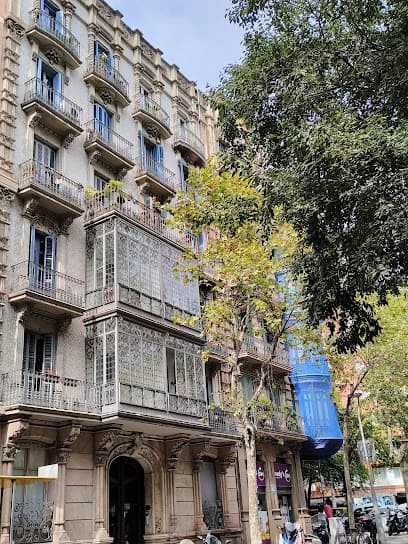
A stone-carved testament to the Eixample's golden age, Casa Antoni Piera is Enric Sagnier’s masterclass in architectural ego—a place where the 1904 elite showed off their wealth in rock.
0.0(0)
Tourist attraction
RESTAURANT
Soma restaurant
€€50 m · Eixample
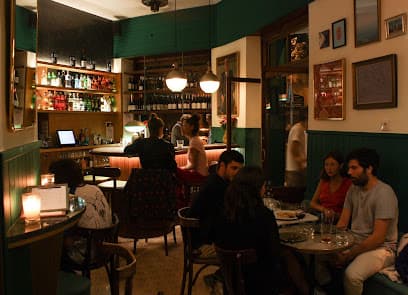
In the grid of Eixample, Soma is a masterclass in restraint, serving up a beef ragu so deep it’ll haunt your dreams and a socarrat that crackles with pure, unadulterated intent.
4.7(1K)
Mediterranean restaurantRestaurant
RESTAURANT
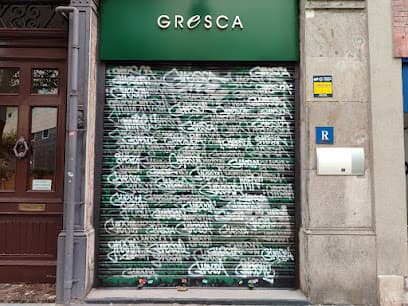
Gresca
50 m · Eixample
A restaurant on Carrer de Provença in the Eixample, open daily, rated 4.2 from 1,817 Google reviews that mention the sommelier and natural wine.
4.2(1K)
Restaurant
HOTEL
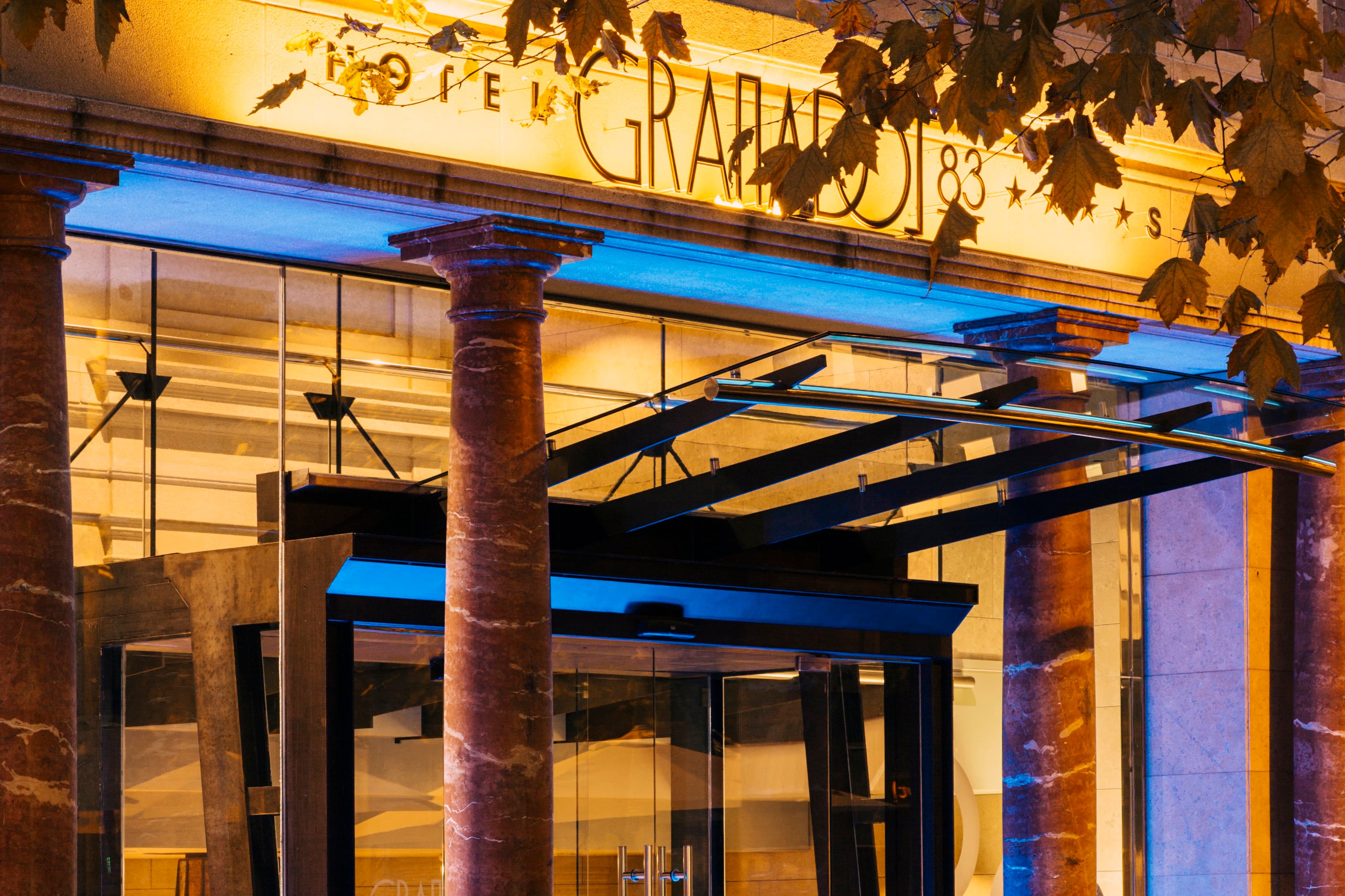
Granados 83
€€€50 m · Eixample
A steel-and-brick outpost on Eixample’s coolest street, where iron beams, exposed brick, and ancient Hindu art create a moody, high-design retreat for those who’ve seen enough generic lobbies.
4.4(999)
HotelMediterranean restaurant

HOTEL
1881 Barcelona Gran Rosellón Hotel
€100 m · Eixample
A sleek, soundproofed bunker in the heart of the Eixample grid. Escape the city's relentless hum with a rooftop plunge pool and beds that actually let you sleep.
4.1(764)
Hotel
Frequently Asked Questions
Can you go inside Casa Segarra?
No, Casa Segarra is a private residential and commercial building. You can only admire the ornate Modernisme facade from the street.
Is Casa Segarra worth visiting?
Yes, if you appreciate architecture and want to see authentic Catalan Modernisme without the crowds and high ticket prices of the major Gaudí sites.
Who is the architect of Casa Segarra?
The building was designed by Josep Masdeu i Puigdemasa and was completed in 1907.
How do I get to Casa Segarra?
It is located at Carrer de Provença, 185. The closest Metro station is Hospital Clínic (Line 5), which is about a 4-minute walk away.
Reviews
0 reviews for Casa Segarra
No reviews yet. Be the first to share your experience!