4.3
3 verified reviews
About
Gran Via de les Corts Catalanes is a beast. It’s a multi-lane river of noise, exhaust, and the frantic, caffeinated energy of a city that never quite figured out how to slow down. It’s the kind of street that usually makes you want to put your head down and charge toward the nearest metro station. But if you stop—really stop—and look up from the gray blur of the asphalt, you see the ghosts of a Barcelona that was built to impress. Casa Maria Robert, sitting at number 684, is one of those ghosts.
This isn't the kind of place that makes the cover of the glossy brochures. There are no three-hour lines, no overpriced gift shops selling plastic lizards, and no audio guides whispering sweet nothings into your ear. It’s a residential building. People live here. They cook dinner, they argue about the laundry, and they ignore the stunning architecture they inhabit every single day. And that’s exactly why it’s worth your time. It represents the 'real' Eixample architecture tour—the one where you don't have to pay thirty Euros to feel the history.
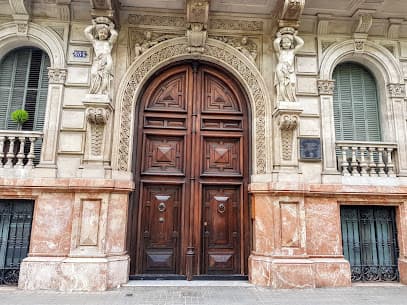
Built around 1888 by Salvador Viñals i Sabater, Casa Maria Robert is a masterclass in what happens when Eclecticism starts flirting with Modernisme. Viñals wasn't the psychedelic dreamer that Gaudí was; he was a man who understood the weight of stone and the prestige of a well-carved balcony. He was the architect the Catalan bourgeoisie hired when they wanted to look rich, stable, and sophisticated. The facade is a rhythmic progression of stone and iron, a testament to the craftsmanship that existed before we started building everything out of glass and despair. Look at the sculptural details around the window frames—the kind of work that required a man with a chisel and a lot of patience, things we don't seem to have much of anymore.
Walking through the Dreta de l'Eixample, you start to realize that the entire neighborhood is an open-air museum, but Casa Maria Robert has a specific gravity to it. It anchors this stretch of the Gran Via. While the tourists are busy trampling each other at the Block of Discord a few blocks away, you can stand here and actually breathe. You can see the way the light hits the stone in the late afternoon, turning the facade into something warm and almost alive. It’s a reminder that the best architecture in Barcelona isn't always behind a velvet rope.
Is Casa Maria Robert worth it? If you’re looking for a theme park, no. Move along. But if you give a damn about the bones of a city, if you want to see the transition from the old world to the new, then yes. It’s a quiet, unheralded survivor. It’s the kind of place that rewards the person who bothers to look up. You stand on the sidewalk, the scooters buzzing past your ears like angry hornets, and you realize that this building has seen everything—from the horse-drawn carriages of the 1880s to the chaotic sprawl of 2025. It’s still here, solid and indifferent to your presence.
Don't expect to go inside. This isn't a museum; it’s a private residence. Respect the people who live there. Don't be the person lurking in the doorway trying to sneak a photo of the lobby. Just appreciate the exterior, the craftsmanship, and the fact that in a world of disposable everything, someone once took the time to build something that was meant to last forever. It’s a visual punch to the gut for anyone who appreciates the grit and elegance of the Eixample. It’s honest. It’s stone. It’s Barcelona.
Type
Tourist attraction
Duration
15-30 minutes
Best Time
Late afternoon for the best light on the facade
Features
Tourist attraction
Categories
ArchitectureModernismeHistory
Ticket Prices
Free Admission
No tickets required
Must-See Highlights
Intricate stone carvings around the window frames
Ornate wrought-iron balcony railings
The rhythmic symmetry of the upper floors
The grand entrance portal typical of Eixample bourgeoisie homes
Visitor Tips
Keep your eyes up; the best details are on the upper floors
Combine this with a walk to nearby Casa Calvet for a DIY architecture tour
Remember this is a private residence; keep noise levels down and don't block the entrance
Good For
Architecture buffsPhotography enthusiastsBudget travelersSolo travelers
Why Visit
Authentic Salvador Viñals design without the museum crowds
Stunning example of the transition from Eclecticism to Modernisme
Located in the heart of the prestigious Dreta de l'Eixample
Nearby Landmarks
- Plaça de Tetuan (3-minute walk)
- Casa Calvet (7-minute walk)
- Arc de Triomf (10-minute walk)
- Passeig de Gràcia (12-minute walk)
Accessibility
- Viewable from public sidewalk
- Flat terrain on Gran Via
Location
Gran Via de les Corts Catalanes, 684
Eixample, Barcelona
Nearby Hotels
Nearby Restaurants
In Eixample
ATTRACTION
Mural Margalef
Eixample
A towering splash of Mediterranean blue breaking the rigid geometry of Eixample, Joan Margalef’s mural is a visceral reminder that Barcelona’s soul isn't just in its museums.
0.0(0)
Tourist attraction
ATTRACTION
Mural Margalef
Eixample
A geometric middle finger to urban decay, this massive kinetic mural by Eduard Margalef turns a drab Eixample blind wall into a rhythmic, shifting explosion of optical art.
0.0(0)
Tourist attraction
ATTRACTION
Happy Foodies
Eixample
Forget the plastic-wrapped tourist traps; this is a deep dive into the grease, garlic, and soul of Catalan cooking where you actually learn to handle a knife and a porrón.
0.0(0)
Sightseeing tour agencyTour agency
Frequently Asked Questions
Is Casa Maria Robert worth visiting?
Yes, if you are an architecture enthusiast who prefers quiet, authentic landmarks over crowded tourist traps. It is a stunning example of 19th-century craftsmanship that you can appreciate for free from the sidewalk.
Can you go inside Casa Maria Robert?
No, the building is a private residential apartment block. Visitors are not permitted inside, but the primary attraction is the intricate stone facade and architectural detail visible from Gran Via.
How do I get to Casa Maria Robert?
The building is located at Gran Via de les Corts Catalanes, 684. The easiest way to get there is via the Metro, stopping at Tetuan (L2) or Girona (L4), both of which are a short walk away.
What is the best time to see the building?
Late afternoon is ideal, as the sun hits the facade and highlights the sculptural details and stone textures. It is also less crowded than the midday rush.
Reviews
0 reviews for Casa Maria Robert
No reviews yet. Be the first to share your experience!