4.3
3 verified reviews
About
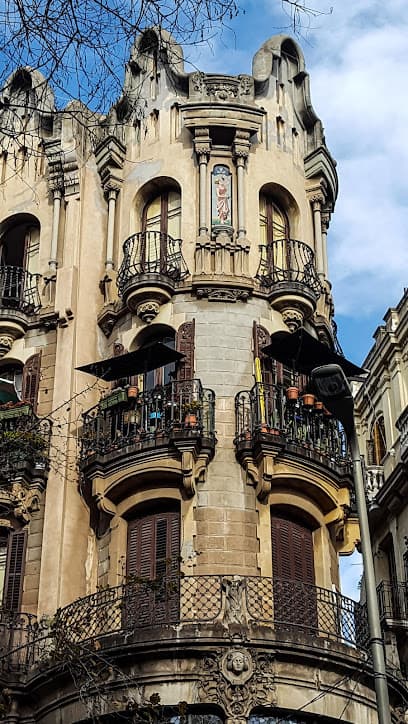
Carrer de Sants is not the place you go for a quiet, contemplative stroll. It is a relentless, high-decibel artery of commerce, a river of exhaust fumes, clanging shutters, and people moving with the kind of purpose that suggests they’re late for something important. It’s the longest shopping street in Europe, or so the locals claim, and most of the time, your eyes are glued to the pavement or the neon signs of discount clothing stores. But if you stop—right there at number 54—and tilt your head back, the 21st-century noise starts to peel away.
This is Casa Jaume Estrada. It’s a stone-carved ghost from 1906, a time when Sants wasn’t just another neighborhood of Barcelona, but a powerhouse of industry, smoke, and radical politics. The building is the work of Modest Feu i Estrada, a man who essentially drew the architectural blueprint for this district. While the big names like Gaudí and Puig i Cadafalch were busy dressing up the Eixample for the ultra-wealthy, Feu was here in the trenches, giving the local bourgeoisie their own version of immortality.
The facade is a masterclass in what I like to call 'neighborhood flex.' It’s built with a rugged, textured stone that feels more grounded than the ethereal stuff you see downtown. You’ve got these undulating balconies with wrought iron work that looks like it was twisted by a blacksmith who actually had something to say. The floral motifs aren't just pretty decorations; they are thick, visceral carvings that seem to be fighting their way out of the rock. At the very top, the pediment crowns the building with a quiet authority that says, 'We have arrived, and we aren't going anywhere.'
What makes Casa Jaume Estrada actually interesting—and not just another entry in a dusty textbook—is its stubborn survival. On the ground floor, there’s a pharmacy. People aren't lining up to take selfies; they’re lining up for aspirin and cough syrup. This is the real Barcelona. It’s the juxtaposition of high art and the mundane reality of a Tuesday afternoon. The building doesn't ask for your permission to exist, and it certainly doesn't care if you notice it. It’s been standing there through civil wars, dictatorships, and the slow creep of globalized retail, holding onto its dignity while the world around it gets louder and cheaper.
You come here because you want to see the layers. You want to see the city that the tourism boards usually forget to mention because it doesn't fit into a neat, sun-drenched narrative. Sants is a neighborhood with dirt under its fingernails, and Casa Jaume Estrada is its Sunday best. It’s a reminder that even in the middle of the chaos, someone once thought it was worth the effort to carve flowers into stone.
Don't expect a gift shop. Don't expect a tour guide with a headset. Just stand on the opposite sidewalk, dodge the commuters, and look up. It’s a small, sharp hit of beauty in a place that doesn't owe you anything. That’s the best kind of discovery—the one you have to work for, the one that’s been hiding in plain sight all along while you were busy looking for a bargain.
Type
Tourist attraction
Features
Tourist attraction
Categories
ArchitectureModernismeHistory
Accessibility
- Viewable from the public sidewalk
- Flat terrain on Carrer de Sants
Location
Carrer de Sants, 54
Sants-Montjuïc, Barcelona
Nearby
ATTRACTION
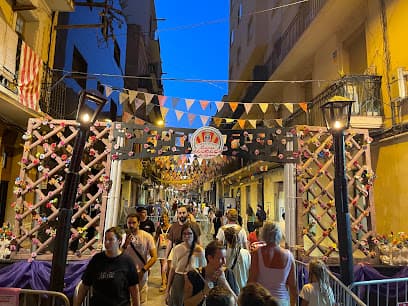
Festa Major de Sants - Carrer d'Alcolea de Baix
200 m · Sants-Montjuïc
A visceral explosion of neighborhood pride where Carrer d'Alcolea de Baix transforms into a DIY fever dream of papier-mâché, cheap beer, and industrial-strength Catalan soul.
4.0(4)
Tourist attraction
ATTRACTION
azamara schiff
200 m · Sants-Montjuïc
A floating boutique hotel for those who want the luxury of a cruise without the 5,000-person buffet line, docking in Barcelona's industrial heart.
1.0(1)
Tourist attraction
RESTAURANT
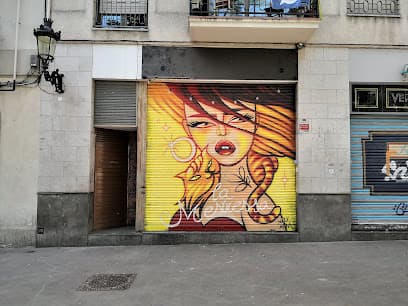
La Mestressa
€€50 m · Sants-Montjuïc
A tapas bar on Plaça d'Osca in Sants-Montjuïc, €10–20 per person, rated 4.3 from 2,390 Google reviews that mention the square and vermouth.
4.3(2K)
Tapas barLounge
RESTAURANT
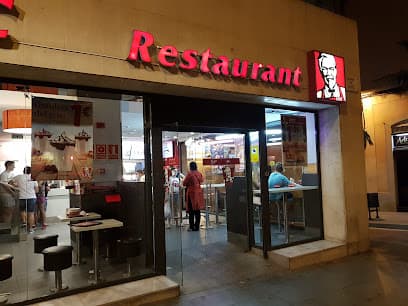
Restaurant KFC
€€50 m · Sants-Montjuïc
When the Catalan sun sets and you’re done with tapas, there’s the siren call of the Colonel on Carrer de Sants—salty, greasy, and exactly what your hungover soul demands.
4.0(3K)
Chicken restaurantFast food restaurant
HOTEL
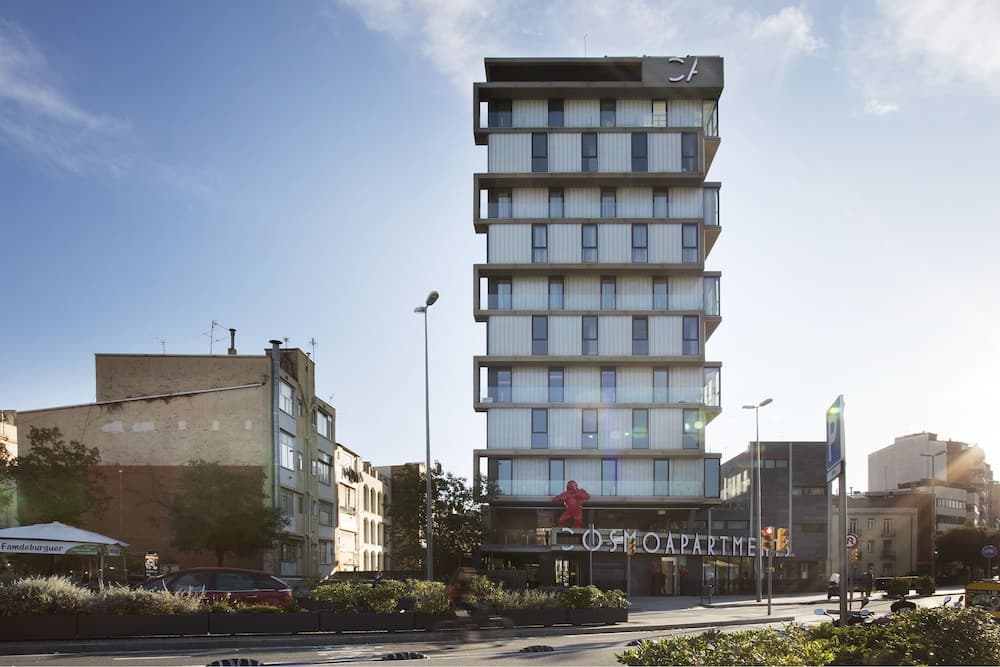
Cosmo Apartments Sants
€€200 m · Sants-Montjuïc
A functional, no-nonsense base camp for the transit-obsessed, sitting in the shadow of Sants Station. It’s clean, it’s modern, and it’s exactly what you need when the train leaves at dawn.
3.8(609)
Holiday apartmentApartment building
HOTEL
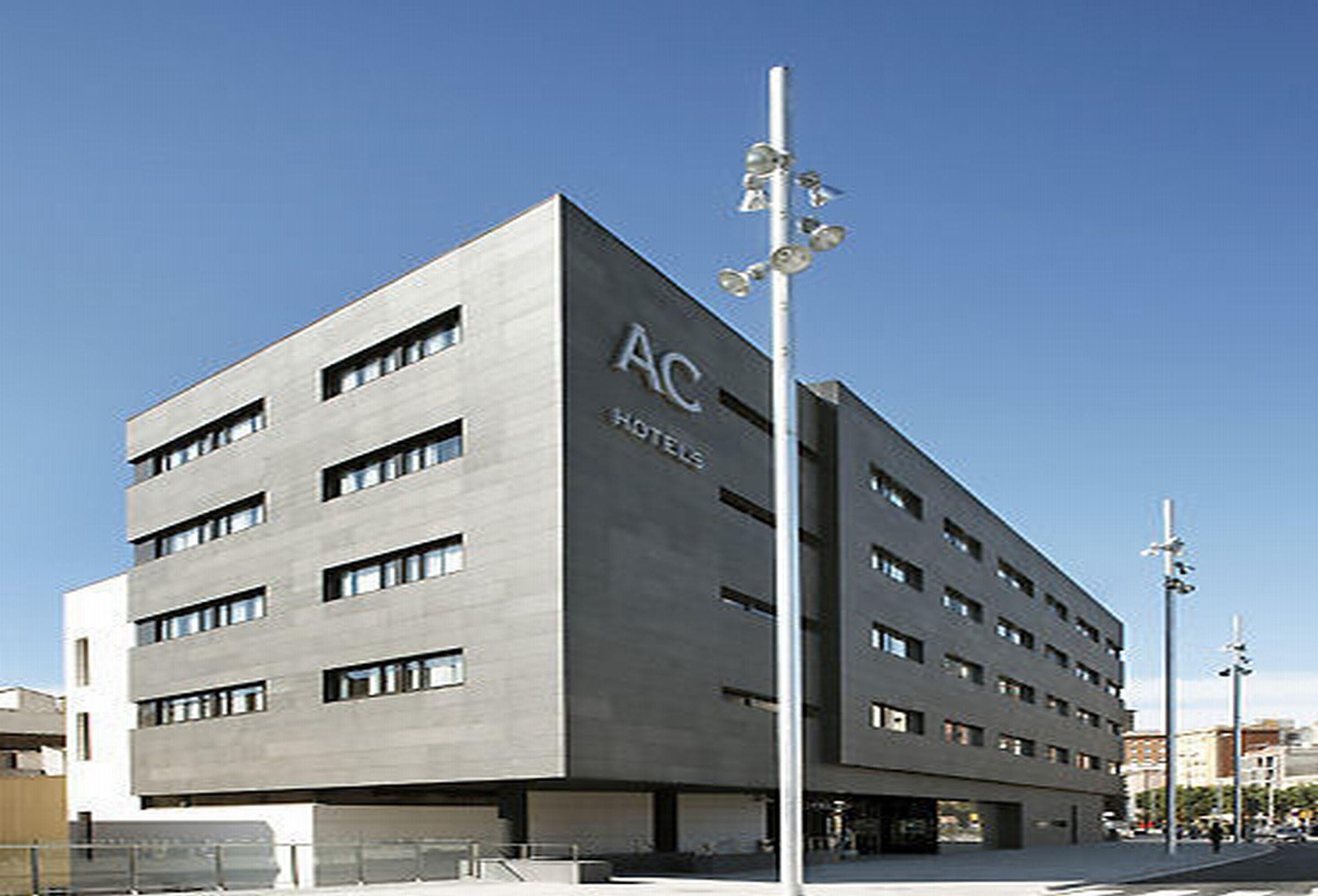
AC Hotel Sants
€€200 m · Sants-Montjuïc
A sleek, no-nonsense bolthole for the traveler in transit, located so close to Sants Station you can practically hear the AVE trains humming from your rain shower.
4.0(900)
HotelMeeting planning service
Frequently Asked Questions
Is Casa Jaume Estrada worth visiting?
Yes, if you are an architecture enthusiast who wants to see authentic Modernisme outside the tourist-heavy center. It is a stunning example of Modest Feu's work that most visitors completely miss.
Can you go inside Casa Jaume Estrada?
No, the building is a private residential property. You can admire the intricate facade from the street and visit the pharmacy located on the ground floor.
How do I get to Casa Jaume Estrada?
The easiest way is to take the Metro (L1 or L5) to the Plaça de Sants station. The building is just a two-minute walk down Carrer de Sants.
What is the best time to see the building?
Morning light is best for photographing the stone carvings on the facade. Since it's a busy shopping street, early morning also offers a slightly less chaotic experience.
Reviews
0 reviews for Casa Jaume Estrada
No reviews yet. Be the first to share your experience!