ATTRACTION
Carrer Margarit - Yacimientos de la Edad de Bronce - Guía Digital ECOT
Sants-Montjuïc, Barcelona
5.0 · 1 reviews
5.0
1 verified reviews
About
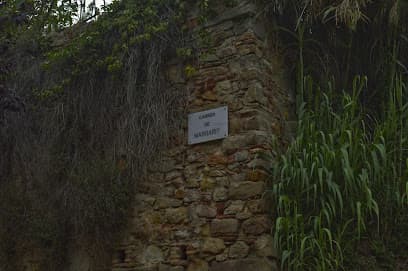
Most people come to Poble-sec for the cheap beer and the pintxos crawl on Carrer de Blai, oblivious to the fact that they are walking over the ghosts of a civilization that didn't give a damn about your Instagram feed. At Carrer de Margarit, numbers 84-88, the city’s layers aren't just metaphorical; they are literal, physical, and covered in dust. This isn't a sprawling ruin with gift shops and audio guides narrated by B-list actors. This is a Bronze Age archaeological site—specifically a series of silos and structures dating back roughly 3,500 years—tucked into the foundation of a modern residential building. It is the ultimate 'if you know, you know' spot in a city that is increasingly becoming a theme park for the bored.
When they started digging the foundations for these apartments, they didn't just find old pipes or Roman trash. They hit the Bronze Age. We’re talking about a time when survival was the only metric that mattered. The site features prehistoric silos—deep pits carved into the earth to store grain, the lifeblood of a community that lived on the slopes of Montjuïc long before the first stone of the Gothic Cathedral was even a thought. It’s a visceral reminder that Barcelona wasn't born with the Romans; it was carved out of this hard, dry earth by people who knew the value of a good harvest and a defensible hill.
The site is managed by ECOT (Equipo de Comunicación y Transferencia), a cooperative that actually gives a damn about heritage and education rather than just selling tickets. Because it’s integrated into a private building, you can’t just waltz in at 3 PM on a Tuesday and expect a red carpet. It requires effort. You have to look for guided tours or specific open-house days, often organized through local heritage circuits. This barrier to entry is exactly what makes it worth it. It filters out the casual tourists looking for a selfie and leaves the space for the people who want to feel the weight of time.
Standing there, looking at these ancient excavations surrounded by modern concrete pillars, you feel the strange, beautiful friction of Barcelona. Upstairs, someone is probably burning toast or arguing about the Barça score. Down here, there is the silence of three millennia. It’s a reminder that the city is a living organism, constantly building over its own dead, reusing its skin, and occasionally leaving a window open to the past. The preservation isn't flashy. It’s raw. It’s the kind of place that makes you realize how fleeting our own 'modern' problems really are.
Is it for everyone? Absolutely not. If you want grand arches and gold leaf, go to the Cathedral. If you want to see the literal bones of the city and understand that Poble-sec has been a place of human struggle and triumph since before the invention of the alphabet, then make the trek. It’s a quiet, academic, and deeply honest corner of Sants-Montjuïc that refuses to be a tourist trap. It’s just there, under the floorboards, waiting for someone to notice.
Type
Tourist attraction
Guided Tours
Available
Features
Tourist attraction
Categories
ArchaeologyHistoryPrehistoric
Opening Hours
- MondayOpen 24 hours
- TuesdayOpen 24 hours
- WednesdayOpen 24 hours
- ThursdayOpen 24 hours
- FridayOpen 24 hours
- SaturdayOpen 24 hours
- SundayOpen 24 hours
Accessibility
- Limited accessibility due to the nature of the excavation site
- Contact ECOT for specific mobility requirements
Location
Carrer de Margarit, 84-88
Sants-Montjuïc, Barcelona
Nearby
ATTRACTION
Fountain Farola
100 m · Sants-Montjuïc
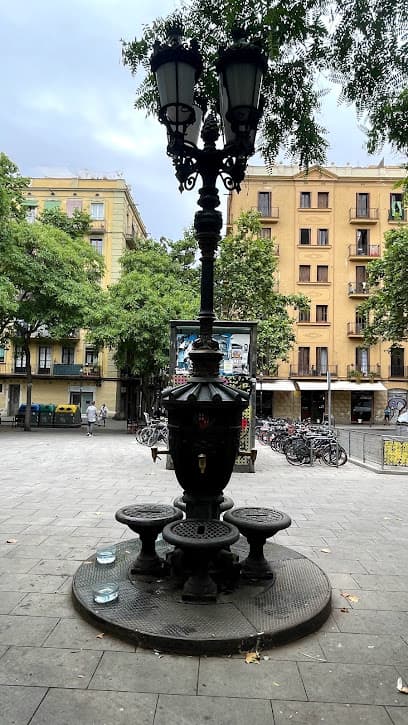
A cast-iron relic in the heart of Poble Sec where the 'Dry Village' finally got its water and the neighborhood still gathers to escape the tourist-choked streets of the center.
4.1(7)
Fountain
ATTRACTION
Plaça del Sortidor
150 m · Sants-Montjuïc
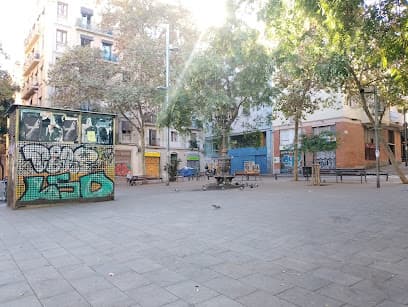
The unvarnished heart of Poble-sec, where the fountain is a ghost, the vermut flows like water, and the only thing being performed is the daily ritual of neighborhood life.
4.2(1K)
ParkHistorical landmark
RESTAURANT
Restaurant PIANO B Food Experience
€€100 m · Sants-Montjuïc
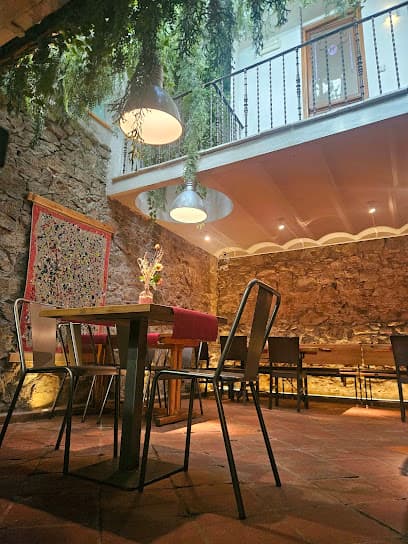
Tucked away in Poble Sec, Piano B is a middle finger to mediocre pasta. It’s where pinsa romana—crunchy, airy, and fermented to perfection—replaces the tired pizza tropes of the tourist trail.
4.9(286)
Italian restaurant
RESTAURANT
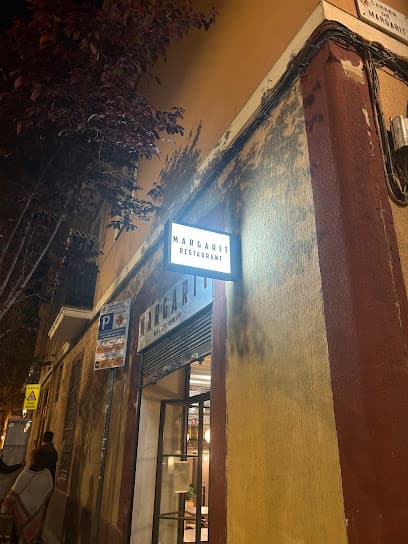
Margarit restaurant
€€€150 m · Sants-Montjuïc
Forget the blue-and-white kitsch. Margarit is a stripped-back, high-voltage collision of Greek soul and Catalan ingredients in the heart of Poble Sec's backstreets.
4.9(142)
Restaurant
HOTEL
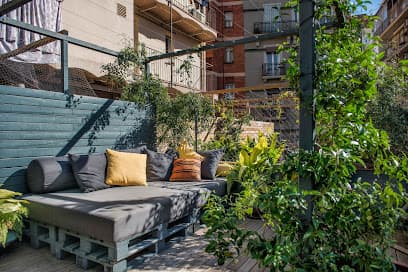
Hotel Brummell
€€300 m · Sants-Montjuïc
A tropical-modernist sanctuary tucked into the gritty-cool streets of Poble-sec, where the design is sharp, the pool is cold, and the mountain of Montjuïc is your backyard.
4.7(654)
Hotel

HOTEL
Hey Lola Hostel
€350 m · Sants-Montjuïc
A sharp, soulful guesthouse in Poble-sec for people who want the real Barcelona, minus the dorm-room chaos and the soul-crushing tourist-trap price tags.
4.9(45)
Hotel
Frequently Asked Questions
Is the Carrer Margarit Bronze Age site worth visiting?
Yes, but only if you are a genuine history buff. It is a niche, small-scale archaeological site integrated into a modern building, offering a raw look at Barcelona's prehistoric foundations rather than a traditional museum experience.
How do I visit the archaeological site at Carrer Margarit?
Access is generally restricted as it is located within a residential complex. You must contact ECOT (Equipo de Comunicación y Transferencia) or check local Poble-sec heritage schedules for guided tours and special open-day events.
What exactly was found at the Carrer Margarit site?
Archaeologists discovered several Bronze Age silos used for grain storage and evidence of prehistoric structures, proving that the slopes of Montjuïc have been inhabited for over 3,000 years.
Reviews
0 reviews for Carrer Margarit - Yacimientos de la Edad de Bronce - Guía Digital ECOT
No reviews yet. Be the first to share your experience!