4.5
17,333 verified reviews
About
Most people come to the foot of Montjuïc for the Magic Fountain—a choreographed display of water and light that’s fine if you like that sort of thing. But if you turn your back on the crowds and look toward the red-brick fortress standing guard on Avinguda de Francesc Ferrer i Guàrdia, you’ll find something far more interesting. This is CaixaForum Barcelona, and it’s proof that sometimes, the best things in a city are the ones that have been repurposed with a bit of soul.
Before it was a temple of high culture, this was the Casaramona factory. Built in 1911 by Josep Puig i Cadafalch—the guy who didn’t get as much press as Gaudí but arguably had a better grasp of structural sanity—it was a textile mill. It didn’t have the soaring spires of a cathedral, but it had the honest, functional beauty of industrial Catalonia. After decades of neglect and a stint as a police warehouse, the bank stepped in. Usually, when a bank buys a landmark, you expect a glass-and-steel monstrosity. Instead, they gave us a masterclass in architectural resurrection.
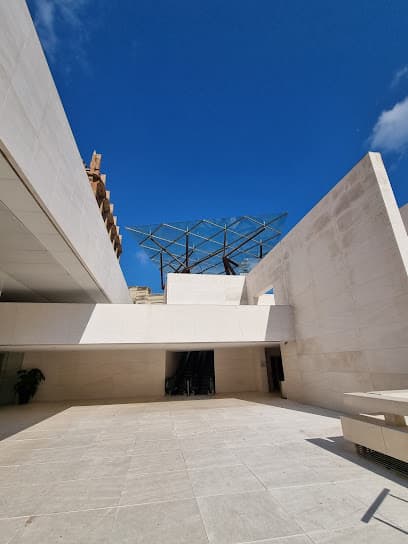
The arrival is the first shock. You descend into a subterranean courtyard designed by Arata Isozaki. It’s a stark, minimalist contrast to the ornate brickwork above. You’re greeted by the 'trees'—massive structures of glass and steel that look like something out of a high-end sci-fi flick. It’s the kind of entrance that tells you immediately: this isn't your grandmother’s dusty museum.
Inside, the programming is relentless and top-tier. Because CaixaForum doesn’t have a massive permanent collection of its own to defend, they are free to curate the hell out of the world’s best art. One month it’s a deep dive into the British Museum’s Egyptian mummies; the next, it’s a neon-soaked Andy Warhol retrospective or an exploration of Pixar’s creative guts. It’s one of the best art exhibitions Barcelona offers because it’s never static. You never know if you’re going to walk into a room full of 17th-century Flemish masters or a digital installation that makes your brain itch.
Don’t miss the vertical garden on the way in. Designed by Patrick Blanc, it’s a 600-square-meter wall of living, breathing greenery that looks like the jungle is slowly reclaiming the city. It’s a moment of quiet focus before you hit the galleries. And once you’ve had your fill of the art, head to the roof. The terrace allows you to walk among the Modernista towers and brick chimneys. You get a view of the MNAC looming above and the city sprawling below, without the elbow-to-elbow tourist crush you’ll find at the Sagrada Família.
Is CaixaForum Barcelona worth it? Absolutely. It’s one of the few places in the city where the price of admission—usually a measly six euros—feels like a steal. It’s unpretentious, it’s cool in the summer, and it’s housed in a building that tells the real story of Barcelona: a city built on industry, transformed by art, and held together by sheer, stubborn style. If you’re looking for things to do in Sants-Montjuïc that don't involve a tour bus, this is your spot. It’s honest, it’s visceral, and it’s one of the few institutions that actually lives up to the hype.
Type
Cultural center, Art center
Duration
1.5-2.5 hours
Best Time
Weekday mornings right at opening (10:00 AM) to avoid school groups and local crowds.
Guided Tours
Available
Audio Guide
Available
What People Say
muy interesante(202)factory(145)temporary exhibition(87)mummy(77)warhol(65)catalan modernism(44)art nouveau architecture(21)brick(16)
Features
Cultural center
Art center
Concert hall
Conference center
Exhibit
Museum
Tourist attraction
Categories
ArchitectureModernismeMuseumPhotographyHistory
Ticket Prices
adult€6.00
childFree
senior€6.00
Opening Hours
- Monday10 AM to 8 PM
- Tuesday10 AM to 8 PM
- Wednesday10 AM to 8 PM
- Thursday10 AM to 8 PM
- Friday10 AM to 8 PM
- Saturday10 AM to 8 PM
- Sunday10 AM to 8 PM
Must-See Highlights
The 'Trees' glass entrance by Arata Isozaki
The rooftop terrace and its brick chimneys
The vertical garden at the entrance
The permanent 'Symphony' VR experience (requires separate booking)
Visitor Tips
If you are a CaixaBank customer, your entry is free—just show your card or app at the desk.
Check the 'Symphony' schedule in advance; it's a brilliant immersive film experience that often sells out.
The bookstore is one of the best in the city for art and design lovers.
Good For
Art loversArchitecture buffsFamiliesBudget travelersRainy days
Why Visit
Housed in the Casaramona factory, a masterpiece of industrial Modernista architecture by Puig i Cadafalch.
Features a massive 600-square-meter vertical garden designed by botanist Patrick Blanc.
Dynamic rotation of high-stakes traveling exhibitions from institutions like the British Museum and the Louvre.
Nearby Landmarks
- Magic Fountain of Montjuïc (3-minute walk)
- Poble Espanyol (4-minute walk)
- Museu Nacional d'Art de Catalunya - MNAC (10-minute walk)
- Plaça d'Espanya (8-minute walk)
Accessibility
- Fully wheelchair accessible
- Elevators to all floors
- Adapted restrooms
- Wheelchairs available for loan
Location
Av. de Francesc Ferrer i Guàrdia, 6-8
Sants-Montjuïc, Barcelona
Nearby Hotels
Nearby Restaurants
In Sants-Montjuïc
ATTRACTION
Bolets1
Sants-Montjuïc
A gritty, earthy temple to the Catalan obsession with wild mushrooms, where the dirt is real, the fungi are seasonal gold, and the air smells like the damp floor of a Pyrenean forest.
0.0(0)
Tourist attraction
ATTRACTION
Montjuic aparca
Sants-Montjuïc
The unglamorous base camp for your Montjuïc assault. A tactical slab of asphalt where the city's chaos fades into the pine-scented ghosts of the 1992 Olympics.
0.0(0)
Tourist attraction
ATTRACTION
Паркінг Барселона
Sants-Montjuïc
A sprawling slab of industrial reality in the Zona Franca. No Gaudí here—just hot asphalt, diesel fumes, and the honest utility of a secure place to park your rig.
0.0(0)
Park
Frequently Asked Questions
Is CaixaForum Barcelona worth visiting?
Yes, especially for fans of architecture and high-quality temporary exhibits. The building itself, a restored Modernista factory, is as much of a draw as the high-caliber art inside.
What should I see at CaixaForum Barcelona?
Check the current temporary exhibition schedule as they rotate frequently. Don't miss the vertical garden by Patrick Blanc and the accessible rooftop terrace for unique views of the brickwork and Montjuïc.
How much do CaixaForum Barcelona tickets cost?
General admission is typically €6, which grants access to all current exhibitions. Entry is free for CaixaBank customers and children under 16.
How do I get to CaixaForum Barcelona?
The easiest way is to take the Metro (L1 or L3) to Espanya station. From there, it's a 5-10 minute walk past the Venetian Towers toward the Magic Fountain.
Reviews
0 reviews for CaixaForum Barcelona
No reviews yet. Be the first to share your experience!