4.6
38 verified reviews
About
You start at the bottom, standing between two massive Venetian Towers that look like they were stolen from St. Mark’s Square and dropped into the middle of a Catalan traffic circle. From there, you look up. It’s a long way. You can take the stairs if you’re feeling masochistic or if you need to punish yourself for that third plate of patatas bravas, but most people with any sense opt for the outdoor escalators. They hum along, carrying a sea of humanity upward toward the Palau Nacional, a building so massive and imposing it feels like it was designed to make you feel small. And it was.
This whole area, the Mirador del Palau Nacional, was the centerpiece of the 1929 International Exposition. It’s imperial ego rendered in stone and mortar. The palace itself looks ancient, but it’s a bit of a theatrical trick—built specifically for the fair to house the art of the nation. But you’re not here for the art, at least not yet. You’re here for the ledge. When you finally reach the top terrace, the city of Barcelona stops being a collection of narrow alleys and noisy scooters and becomes a map.
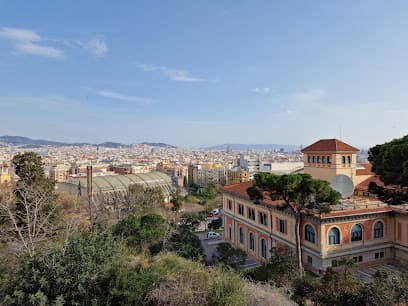
On a clear day, the view is a punch to the gut. Directly below you is the Avinguda de la Reina Maria Cristina, a grand boulevard that looks like it belongs in Paris or Rome. Beyond that, the Eixample district spreads out in its perfect, obsessive-compulsive grid, punctuated only by the spires of the Sagrada Família, which, from this distance, looks like a giant, melting sandcastle. To the right, the Torre Glòries glows like a neon cigar, and in the far distance, the Tibidabo mountain stands guard over the whole mess. It’s the kind of scale that makes your own problems feel like a rounding error.
The atmosphere is a strange mix of the sublime and the mundane. You’ll hear the inevitable street performer—usually a guy with an accordion or a Spanish guitar—playing something that sounds vaguely like 'Malagueña' while tourists from three different continents jostle for the perfect selfie angle. There’s the smell of roasting nuts from a nearby cart and the constant hiss of the wind whipping around the palace domes. It’s crowded, yes. It’s a staple of every list ever written, yes. But unlike the tourist traps in the Gothic Quarter, this place earns its keep.
There is a catch, though. The 'Magic Fountain' that sits halfway down the hill? Don't expect a show. As of 2024 and 2025, Catalonia has been gripped by a brutal drought, and the fountains are often dry to save water. It’s a stark reminder that even in a city this beautiful, nature eventually calls the shots. But even without the dancing water and the neon lights, the viewpoint holds its own.
If you want to do it right, don’t just stand on the public steps with everyone else. Pay the small fee—usually about two euros—to access the rooftop terraces of the Museu Nacional d’Art de Catalunya (MNAC). It gets you away from the buskers and the selfie sticks and gives you a 360-degree view that includes the Olympic Ring, the communications tower that looks like a giant needle, and the Mediterranean shimmering in the distance. Bring a cold drink, find a spot on the stone, and watch the sun go down. When the sky turns that bruised purple color and the city lights start to flicker on, you’ll realize that despite the crowds and the sweat, you’re exactly where you’re supposed to be.
Type
Tourist attraction
Duration
1-2 hours
Best Time
Sunset for the best lighting and atmosphere, or early morning to avoid the largest tour groups.
What People Say
mountains(2)photos(2)beauty(2)
Features
Tourist attraction
Categories
ArchitecturePhotographyHistoryPublic Space
Ticket Prices
Free Admission
No tickets required
Opening Hours
- MondayOpen 24 hours
- TuesdayOpen 24 hours
- WednesdayOpen 24 hours
- ThursdayOpen 24 hours
- FridayOpen 24 hours
- SaturdayOpen 24 hours
- SundayOpen 24 hours
Must-See Highlights
The view of the Venetian Towers framing Plaça d'Espanya
The rooftop terrace of the MNAC for 360-degree views
The monumental dome of the Palau Nacional
The sunset over the Serra de Collserola mountains
Visitor Tips
Don't hike the stairs; use the escalators located on the right side of the fountains.
The museum rooftop is closed on Mondays, even if the public terraces are open.
Pickpockets love the crowds here at sunset; keep your bag in front of you.
Buy your water or beer at a supermarket near Plaça d'Espanya to avoid the 300% markup at the top.
Good For
PhotographersBudget travelersCouplesFirst-time visitors
Why Visit
Unobstructed 180-degree panoramic view of the Eixample grid and Tibidabo
The grandest architectural approach in the city via the 1929 Expo boulevard
Optional 360-degree rooftop access via the MNAC museum
Nearby Landmarks
- Museu Nacional d'Art de Catalunya (MNAC) - 1-minute walk
- Magic Fountain of Montjuïc - 3-minute walk
- Poble Espanyol - 8-minute walk
- Mies van der Rohe Pavilion - 7-minute walk
- Olympic Stadium - 12-minute walk
Accessibility
- Elevators available inside the museum
- Outdoor escalators from street level
- Ramped access to most terrace levels
Location
Carrer del Mirador del Palau Nacional, 19
Sants-Montjuïc, Barcelona
Nearby Hotels
Nearby Restaurants
In Sants-Montjuïc
ATTRACTION
Bolets1
Sants-Montjuïc
A gritty, earthy temple to the Catalan obsession with wild mushrooms, where the dirt is real, the fungi are seasonal gold, and the air smells like the damp floor of a Pyrenean forest.
0.0(0)
Tourist attraction
ATTRACTION
Montjuic aparca
Sants-Montjuïc
The unglamorous base camp for your Montjuïc assault. A tactical slab of asphalt where the city's chaos fades into the pine-scented ghosts of the 1992 Olympics.
0.0(0)
Tourist attraction
ATTRACTION
Паркінг Барселона
Sants-Montjuïc
A sprawling slab of industrial reality in the Zona Franca. No Gaudí here—just hot asphalt, diesel fumes, and the honest utility of a secure place to park your rig.
0.0(0)
Park
Frequently Asked Questions
Is the Barcelona City Viewpoint free?
The main terraces and steps in front of the Palau Nacional are completely free to access. However, there is a small fee (around €2) to access the museum's rooftop viewpoint for a 360-degree view.
What is the best time to visit the viewpoint?
Sunset is the undisputed champion. The city glows in gold and purple, and the heat of the day usually breaks. Arrive an hour before sunset to secure a good spot on the steps.
How do I get to the Palau Nacional viewpoint?
Take the Metro (L1 or L3) to Espanya. From there, walk toward the Venetian Towers and follow the escalators up the hill toward the museum.
Is the Magic Fountain currently working?
Due to ongoing drought restrictions in Catalonia, the Magic Fountain is frequently turned off. Check the official Barcelona city website for current water-saving schedules before visiting.
Reviews
0 reviews for Barcelona City Viewpoint
No reviews yet. Be the first to share your experience!