4.6
5 verified reviews
About
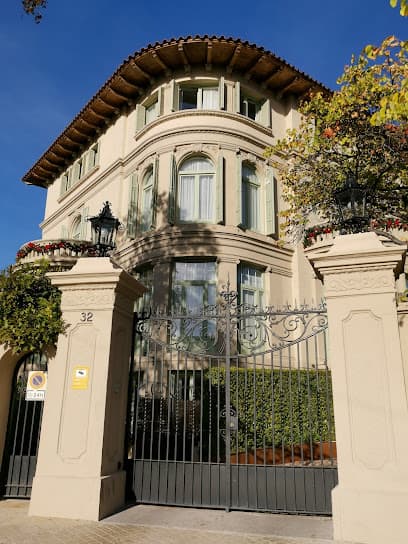
Forget the Ramblas for a second. If you want to see where the real loot went—the industrial-age, pharmaceutical-grade, 'I-own-the-city' kind of money—you have to head north, away from the sea, toward the hills of Sarrià-Sant Gervasi. Avinguda del Tibidabo isn't just a street; it’s a long, steep, architectural flex. It was the brainchild of Dr. Salvador Andreu, a man who made a killing selling cough drops and decided to turn this incline into a garden city for the elite at the turn of the 20th century.
Walking up this avenue is a lesson in how to spend money with style. You aren't looking at cookie-cutter luxury here. You’re looking at the fever dreams of Modernista architects who were given blank checks by the Catalan bourgeoisie. Take Casa Roviralta, known as 'El Frare Blanc.' It’s a massive, white-washed stunner that looks like it belongs in a fairytale, or perhaps a very expensive asylum. It’s now a restaurant, but the bones of that 1913 masterpiece still scream of a time when Barcelona was exploding with new wealth and even newer ideas about what a house should look like.
Then there’s the ghost of the Tramvia Blau. For over a century, these blue trams rattled up and down the center of the avenue, ferrying the well-to-do and the curious toward the funicular. They’ve been 'under renovation' since 2018, and their absence is a wound in the neighborhood’s character. You can still see the tracks embedded in the asphalt, a reminder of a slower, more elegant era of transit that the city seems in no hurry to bring back. Without the tram, the walk is a bit of a haul, but that’s the point. You earn the view.
As you climb, the air gets thinner and the houses get weirder. You’ll pass Casa Muley Afid, designed by Josep Puig i Cadafalch for a Moroccan sultan in exile. It’s got that brickwork and those horseshoe arches that remind you that Barcelona has always been a Mediterranean crossroads, even in its most exclusive enclaves. Most of these mansions have been carved up into private clinics, prestigious schools, or corporate headquarters, but the facades remain—ornate ironwork, trencadís mosaics, and towers that look out over the sprawl of the city toward the Mediterranean.
Is it worth the sweat? If you give a damn about architecture and the history of how cities are built, then yes. It’s one of the best things to do in Barcelona if you’re tired of being elbowed by tourists in the Gothic Quarter. This is the quiet side of the city. It’s the sound of wind through old trees and the occasional hum of a high-end German SUV. It’s a place to contemplate the fact that while regimes change and economies crash, the view from the top of the hill usually stays the same for the people who can afford the climb. By the time you reach the top at Plaça del Doctor Andreu, you’re rewarded with a panorama of Barcelona that makes the whole city look like a toy box. Grab a drink, look down at the chaos you escaped, and realize that Dr. Andreu knew exactly what he was doing.
Type
Tourist attraction
Features
Tourist attraction
Categories
ArchitectureModernismeHistoryUrban Planning
Accessibility
- Paved sidewalks
- Very steep incline may be difficult for manual wheelchairs
- Accessible by public bus (Line 196)
Location
Av. del Tibidabo, 27-25
Sarrià-Sant Gervasi, Barcelona
Nearby
ATTRACTION
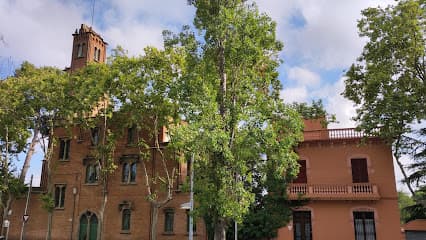
Casa Fornells
150 m · Sarrià-Sant Gervasi
A jagged, brick-and-stone masterpiece by Joan Rubió i Bellver that looms over Tibidabo like a Gothic fever dream. It’s old-money Barcelona at its most defiant and beautiful.
4.6(20)
Historical landmarkTourist attraction
ATTRACTION
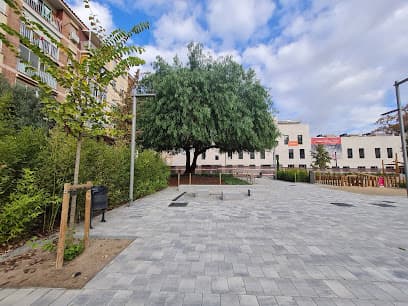
Plaça Alfons Comín
250 m · Sarrià-Sant Gervasi
A concrete knot where the city's traffic screams toward the hills, Plaça Alfons Comín is the unsung gateway between urban chaos and the quiet wealth of Sarrià-Sant Gervasi.
4.3(10)
Park

RESTAURANT
Aranda's Grill
€€€50 m · Sarrià-Sant Gervasi
A primal Castilian meat temple housed in an imposing Modernista mansion. Come for the wood-fired suckling lamb; stay for the smell of oak smoke and old-world Barcelona grandeur.
4.4(5K)
RestaurantGrill

RESTAURANT
TURK KEBABISH CUINA MIXTA
€300 m · Gràcia
A gritty, honest outpost at the edge of Gràcia where the durums are heavy, the beer is cold, and the 'mixed kitchen' soul serves as a middle finger to overpriced tourist traps.
4.5(125)
Doner kebab restaurantBar
HOTEL
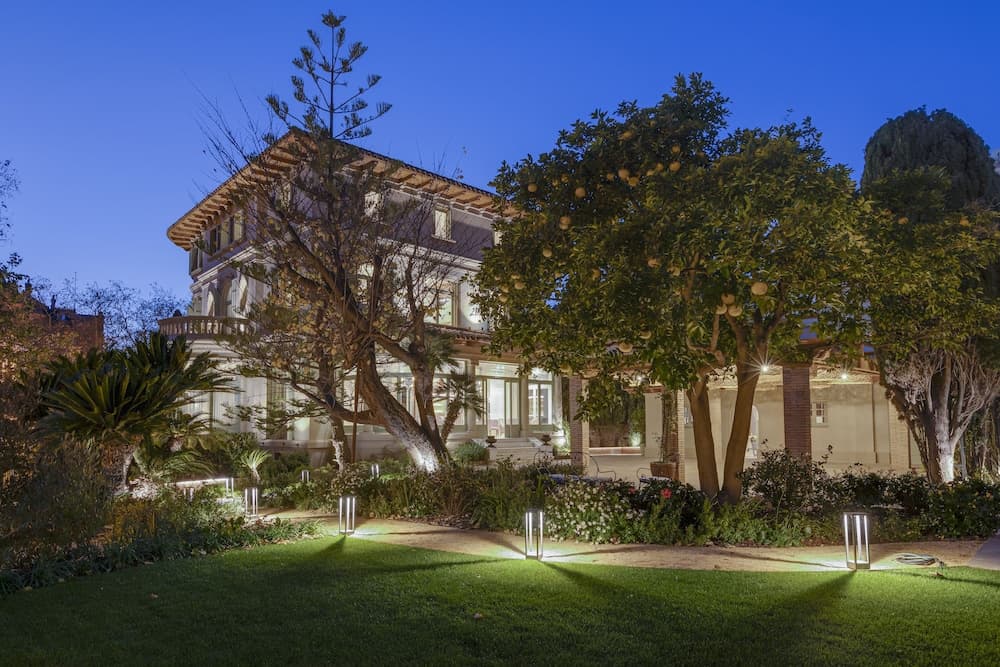
Hotel Boutique Mirlo Barcelona (Torre Macaya)
€€€50 m · Sarrià-Sant Gervasi
A Modernista mansion on the hill where the air is thinner and the rooms come with private saunas. It’s old-world Barcelona luxury for people who want to disappear for a while.
4.8(266)
Hotel
HOTEL
ABaC Hotel
€€€300 m · Sarrià-Sant Gervasi
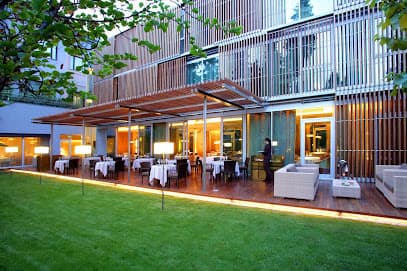
A high-tech, white-on-white sanctuary for the food-obsessed, where Jordi Cruz’s three-Michelin-starred kitchen is the beating heart of an ultra-exclusive Tibidabo retreat.
4.6(241)
Hotel
Frequently Asked Questions
Is the walk up Avinguda del Tibidabo worth the effort?
Yes, if you appreciate architecture and want to escape the tourist crowds. It offers some of the most impressive Modernista mansions in Barcelona and a peaceful, uphill walk with great city views.
Is the Tramvia Blau currently running?
No, the historic Blue Tram has been out of service for infrastructure upgrades since 2018. You can still walk the route or take the 196 bus which follows the same path up the avenue.
How do I get to Av. del Tibidabo?
Take the L7 FGC train from Plaça de Catalunya to the Av. Tibidabo station (Plaça Kennedy). The avenue begins right outside the station and climbs toward the mountain.
What is the best time to visit?
Late afternoon is ideal. The sun hits the mansions' facades perfectly for photos, and you can end your walk at the top just as the city lights begin to flicker on.
Reviews
0 reviews for Av. del Tibidabo
No reviews yet. Be the first to share your experience!