4.3
4 verified reviews
About
Step into the Raval and the first thing you’ll notice isn’t the architecture; it’s the friction. It’s the sound of urethane wheels slapping against granite, the smell of cheap hashish, and the heavy, humid air of a neighborhood that refuses to be gentrified into submission. Tucked behind the gleaming white, clinical fortress of the MACBA—Barcelona’s Museum of Contemporary Art—is a long, blood-red streak of defiance known simply as the Keith Haring mural. Officially titled 'Todos Juntos Podemos Parar el Sida' (Together We Can Stop AIDS), this isn't just an 'art display.' It’s a ghost of 1989, a time when the Raval was the 'Barrio Chino' and the city was teetering between Olympic ambition and a heroin epidemic.
The mural you see today at Carrer de Valldonzella is a faithful recreation, but the soul remains intact. Haring painted the original in 1989 on a crumbling wall in Plaça de Salvador Seguí, a place then synonymous with needles and neglect. He did it in five hours, for free, with a boombox blasting house music. When the area was razed for urban renewal, the city had the foresight to trace the work before the wall came down. In 2014, it was resurrected here, on this concrete slab in the Plaça de Joan Coromines, using the exact same shade of red. It’s a thirty-meter-long narrative of snakes, syringes, and dancing figures, all intertwined in a desperate, rhythmic struggle against a plague that was devouring Haring’s world.
Standing here, you’re at the epicenter of Barcelona’s street culture. To your left, the MACBA’s Richard Meier-designed facade looks like a giant, expensive refrigerator. To your right, the Raval’s narrow, dark arteries pulse with life. The mural sits in the middle, a bridge between the institutionalized art world and the raw reality of the street. You don’t need a ticket. You don't need a docent to tell you what it means. The imagery is universal: the snake of disease being strangled by the collective effort of the figures. It’s loud, it’s urgent, and it’s remarkably beautiful in its simplicity.
The atmosphere is rarely quiet. This is the unofficial headquarters of the city’s skate scene. You’ll see kids from all over the world—Japan, Brazil, California—launching themselves off ledges, their shadows flickering across Haring’s red lines. There’s a beautiful irony in it: a mural about a terminal illness serving as the backdrop for the most kinetic, alive energy in the city. It’s not a place for hushed whispers. It’s a place to sit on a concrete ledge, crack a beer from a 'latero,' and watch the world go by.
Is it worth the walk? If you want the sanitized, postcard version of Barcelona, stay in the Eixample. But if you want to see the city’s heart—the one that beats with a bit of a murmur and a lot of grit—this is it. It’s a reminder that art doesn’t always belong in a climate-controlled room. Sometimes it belongs on a wall, under the sun, getting hit by the occasional stray skateboard. It’s honest, it’s tragic, and it’s one of the few things in this city that hasn't been ruined by a gift shop.
Type
Tourist attraction
Features
Tourist attraction
Categories
Street ArtModern ArtHistory
Accessibility
- Fully accessible public square
- Flat paved surfaces
Location
Carrer de Valldonzella, 56
Ciutat Vella, Barcelona
Nearby
ATTRACTION
Skate Wall
50 m · Ciutat Vella
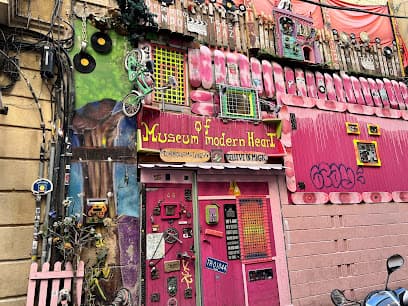
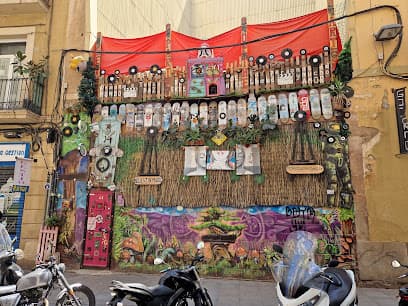
A concrete canvas where Barcelona’s skate soul bleeds into the Raval. It’s loud, scuffed, and covered in layers of spray paint—the city’s most honest, uncurated gallery.
4.5(13)
Tourist attraction
ATTRACTION
Plaça Goya
100 m · Eixample
A gritty, triangular slab of Eixample pavement where the ghost of Francisco Goya watches skaters and theater-goers collide in a cloud of scooter exhaust and urban reality.
3.0(1)
Park
RESTAURANT
Casa de Menjars Buenavista
100 m · Ciutat Vella
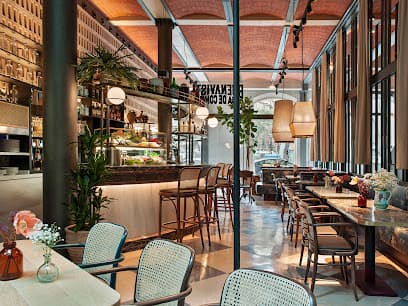
A resurrected 1918 legend where the Sant Antoni spirit meets modern polish. Think killer bravas, honest Catalan soul, and a room that actually lets you breathe.
4.5(422)
RestaurantBar
RESTAURANT
Restaurant l'Havana. Cuina catalana i de mercat
€€€100 m · Ciutat Vella
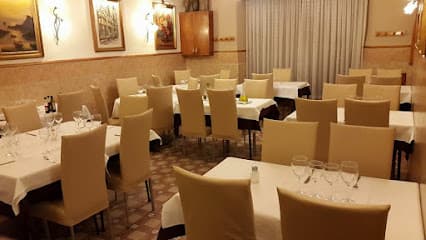
A 1940s Raval survivor serving unapologetic Catalan market cuisine. No frills, no fakes—just honest cap i pota, salt cod, and the best seasonal artichokes in the city.
4.4(463)
Catalonian restaurantFamily restaurant

HOTEL
Hostal Ràdio
€100 m · Ciutat Vella
A stripped-back, retro-themed bunker in the gritty heart of El Raval for travelers who care more about the price of a gin tonic than the thread count of their sheets.
3.6(860)
HotelGuest house
HOTEL
Líbere Barcelona Sant Antoni
€€€100 m · Eixample
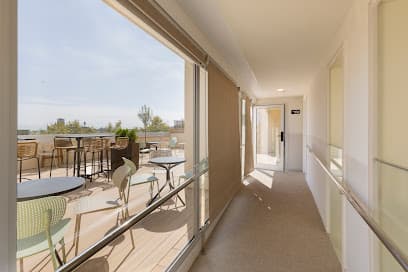
A tech-forward, minimalist base camp on the gritty-cool edge of Sant Antoni. No velvet curtains or fawning bellhops here—just sleek apartments and the pulse of real Barcelona.
4.5(124)
Hotel
Frequently Asked Questions
Is the Keith Haring mural worth visiting?
Absolutely, especially if you appreciate street art and social history. It's a powerful, large-scale work by a global icon, located in the heart of the city's most energetic neighborhood.
Do I need tickets for the Keith Haring mural?
No, it is a public mural located on an exterior wall. You can view it for free at any time of day or night.
What is the best time to visit the mural?
Late afternoon is best for atmosphere, as the square fills with local skaters and the light hits the red paint perfectly. For a quiet photo, go early in the morning.
Where exactly is the mural located?
It is on the exterior wall of the MACBA building facing Plaça de Joan Coromines, accessible via Carrer de Valldonzella in the Raval neighborhood.
Reviews
0 reviews for Art display
No reviews yet. Be the first to share your experience!