4.5
2 verified reviews
About
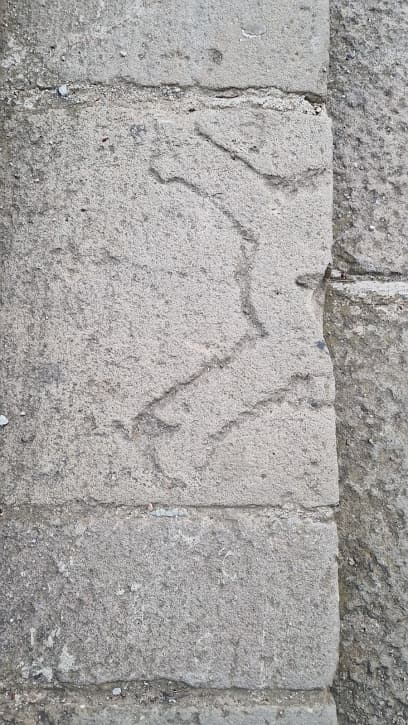
Barcelona is a city built on the bones of its previous selves, and nowhere is that more literal than at the base of Montjuïc. While the masses are busy elbowing each other for a selfie in front of the Magic Fountain or trekking up to the MNAC to see the Romanesque frescoes, there is a quiet, cynical piece of history embedded right in the walls of Plaça de les Cascades. It’s an 'Antiga làpida funerària reaprofitada'—an ancient funerary tombstone, ripped from its original resting place and shoved into a wall like a common brick.
This is what architects call 'spolia.' It’s a fancy word for architectural grave-robbing. Back in the day, if you needed a sturdy piece of stone and there was a Roman cemetery nearby, you didn’t call a quarry; you grabbed a chisel. This particular stone dates back to the 2nd century AD, a time when Barcino was a dusty Roman outpost and someone—likely a person of some means—wanted to be remembered forever. They commissioned a relief, a portrait in stone, to mark their exit from this mortal coil. Fast forward nearly two millennia, and that same memorial is now a structural support for the grand, slightly pompous terraces built for the 1929 International Exposition.
Finding it requires you to stop looking at the grand vistas and start looking at the details. As you stand in the Plaça de les Cascades, surrounded by the roar of falling water and the smell of chlorine and damp stone, look at the masonry. There, amidst the uniform blocks of the early 20th century, is a weathered face staring back at you. The features are softened by time, worn down by centuries of Mediterranean humidity and the indifferent gaze of millions of tourists. It’s a man and a woman, or perhaps just a single figure—it’s hard to tell now—frozen in a Roman salute or a gesture of mourning, now doing the heavy lifting for a staircase.
There is something deeply Bourdain-esque about this spot. It’s a reminder that no matter how important you think you are, or how expensive your tombstone is, eventually, someone might just use your face to level out a wall. It’s honest. It’s brutal. It lacks the curated sanctity of a museum. In the MNAC upstairs, this stone would be on a pedestal with a spotlight and a plaque. Out here, it’s just part of the city’s plumbing, subjected to the indignity of pigeons and the occasional stray splash from the fountains.
Is it worth the trek? If you’re looking for a 'must-see' spectacle, probably not. But if you want to feel the actual weight of time in Barcelona, if you want to see how the city recycles its own soul to keep moving forward, then yes. It’s one of the best things to do in Montjuïc for those who hate the polished version of history. It’s a small, jagged reminder that the past isn’t just behind us; it’s literally under our feet and inside our walls. Stand there for a second, ignore the guy selling plastic light-up toys, and just touch the stone. It’s cold, it’s hard, and it’s been there since before the concept of Spain even existed. That’s a protein hit for the brain that no gift shop can provide.
Type
Tourist attraction
Duration
15-30 minutes
Best Time
Morning before the Magic Fountain shows begin
Features
Tourist attraction
Categories
Roman HistoryArchaeologyArchitecture
Ticket Prices
Free Admission
No tickets required
Opening Hours
- MondayOpen 24 hours
- TuesdayOpen 24 hours
- WednesdayOpen 24 hours
- ThursdayOpen 24 hours
- FridayOpen 24 hours
- SaturdayOpen 24 hours
- SundayOpen 24 hours
Must-See Highlights
The weathered Roman relief figures
The contrast between 2nd-century and 1929 masonry
The view of the fountains from the stone's location
Visitor Tips
Bring a flashlight or use your phone light if visiting at dusk to see the relief details
Combine this with a visit to the MNAC to see more formal Roman displays
Look for other reused stones in the Gothic Quarter for a similar experience
Good For
History buffsSolo travelersBudget travelersPhotography enthusiasts
Why Visit
Authentic 2nd-century Roman funerary relief
Example of 'spolia' (reused ancient materials) in 20th-century architecture
Completely free and accessible without museum crowds
Nearby Landmarks
- 2-minute walk from the Magic Fountain of Montjuïc
- 5-minute walk from the Museu Nacional d'Art de Catalunya (MNAC)
- 10-minute walk from Poble Espanyol
Accessibility
- Outdoor public space
- Visible from pedestrian walkways
- Some stairs in the surrounding area
Location
Plaça de les Cascades, 3, 5
Sants-Montjuïc, Barcelona
Nearby Hotels
Nearby Restaurants
In Sants-Montjuïc
ATTRACTION
Bolets1
Sants-Montjuïc
A gritty, earthy temple to the Catalan obsession with wild mushrooms, where the dirt is real, the fungi are seasonal gold, and the air smells like the damp floor of a Pyrenean forest.
0.0(0)
Tourist attraction
ATTRACTION
Montjuic aparca
Sants-Montjuïc
The unglamorous base camp for your Montjuïc assault. A tactical slab of asphalt where the city's chaos fades into the pine-scented ghosts of the 1992 Olympics.
0.0(0)
Tourist attraction
ATTRACTION
Паркінг Барселона
Sants-Montjuïc
A sprawling slab of industrial reality in the Zona Franca. No Gaudí here—just hot asphalt, diesel fumes, and the honest utility of a secure place to park your rig.
0.0(0)
Park
Frequently Asked Questions
Is the Antiga làpida funerària worth visiting?
Yes, if you appreciate the gritty layers of history. It is a 2nd-century Roman artifact hidden in plain sight, offering a raw look at how Barcelona reused its ancient past for modern construction.
How do I find the Roman tombstone in Montjuïc?
It is embedded in the stone walls of the terraces at Plaça de les Cascades, near the stairs leading up toward the Palau Nacional (MNAC). Look for a weathered stone relief that looks out of place among the modern blocks.
Do I need tickets to see the Roman stone?
No, it is located in a public outdoor space and is completely free to view 24/7.
What is the best time to visit?
Early morning is best to avoid the crowds heading to the Magic Fountain, allowing you to examine the stone relief without being jostled by tourists.
Reviews
0 reviews for Antiga làpida funerària reaprofitada
No reviews yet. Be the first to share your experience!