4.5
2 verified reviews
About
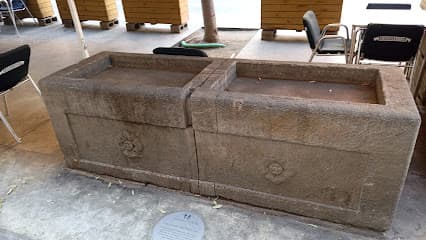
Barcelona is a city of grand gestures. It’s a place that hits you over the head with its genius, its Gaudí, its sprawling plazas, and its relentless, sun-drenched beauty. But the real soul of this town isn’t found in the ticket lines or the gift shops. It’s found in the scraps. It’s found in the things the city tried to forget but couldn’t quite pave over. The Abeurador del Poble Sec is one of those scraps. Located on Carrer de Vila i Vilà, this isn’t a monument that’s going to make your Instagram followers weep with envy. It’s a stone trough. A watering hole. A 19th-century gas station for the four-legged engines that built this neighborhood.
Poble Sec, or 'Dry Village,' earned its name because it sat outside the city’s old water infrastructure. It was a place of industry, of theaters, and of hard-working people who didn’t have the luxury of the fancy fountains found in the Eixample. When you stand in front of this humble stone structure, you’re looking at the literal lifeblood of the old barrio. This is where the horses and donkeys, weary from hauling goods up the steep slopes of Montjuïc or dragging materials to the nearby factories, finally got a break. It’s a reminder that before this was a city of electric scooters and overpriced gin-and-tonics, it was a city of muscle, hay, and grit. It is a necessary look back if you actually care about the people who built the streets you're walking on.
The trough is built right into the fabric of the street, a silent witness to the transformation of Vila i Vilà. A century ago, this street was the gateway to the Parallel, Barcelona’s answer to Broadway or Montmartre. While the theaters like El Molino and Arnau were pumping out music, smoke, and scandal, the Abeurador was here, offering a quiet moment of necessity. Today, the street is a mix of old-school workshops, trendy brunch spots, and the lingering shadows of the city’s theatrical past. Most people walk right past the Abeurador without a second glance. They’re looking for the next tapas bar on Carrer de Blai or heading to a concert at Sala Apolo. But if you stop, if you actually look at the worn stone, you can almost hear the clatter of hooves on cobblestones and the smell of wet earth. It’s an important moment of pause for anyone exploring the neighborhood's past.
Is it worth visiting? If you’re the kind of person who needs a plaque and a guided tour to feel something, then no. Stay on the tour bus. But if you give a damn about the layers of a city, if you want to see the bones of the place before the skin was stretched tight and polished for the tourists, then yes. It’s a five-minute detour that costs you nothing but rewards you with a sense of place that the big landmarks can’t touch. It’s honest. It doesn’t pretend to be anything other than what it is: a hole in the wall where a thirsty animal once found relief. This is Barcelona in its rawest, most unadorned form.
In a city that is rapidly becoming a theme park version of itself, these small, unglamorous relics are the most important things left. They are the anchors. The Abeurador del Poble Sec isn’t 'charming' or 'breathtaking.' It’s a piece of work. It’s a piece of history that hasn’t been sanitized for your protection. It’s the kind of thing that makes Barcelona a real place instead of just a backdrop for your vacation. So, grab a beer at a nearby corner bar, walk over to Vila i Vilà, 77, and pay your respects to the horses. They worked harder than you ever will, and this stone is all they have left.
Type
Tourist attraction
Duration
5-10 minutes
Best Time
Daylight hours to see the texture of the stone and the surrounding architecture.
Features
Tourist attraction
Categories
HistoryIndustrial HeritageStreet Art & Monuments
Ticket Prices
Free Admission
No tickets required
Must-See Highlights
The worn stone basin where animals drank
The integration of the trough into the modern building facade
The surrounding industrial architecture of Carrer de Vila i Vilà
Visitor Tips
Combine this with a walk down the Parallel to see the old theaters.
Look for the small plaque nearby that explains the history of the 'Dry Village'.
Don't expect a museum; it's a quiet, humble piece of the street.
Good For
History buffsSolo travelersBudget travelersUrban explorers
Why Visit
Authentic 19th-century industrial relic preserved in situ
Direct connection to the 'Dry Village' history of Poble Sec
Zero tourist crowds and completely free to visit
Nearby Landmarks
- 3-minute walk from Sala Apolo
- 5-minute walk from El Molino
- 6-minute walk from Carrer de Blai (tapas street)
- 4-minute walk from Jardins de les Tres Xemeneies
Accessibility
- Public sidewalk access
- Wheelchair accessible
Location
Carrer de Vila i Vilà, 77
Sants-Montjuïc, Barcelona
Nearby Hotels
Nearby Restaurants
In Sants-Montjuïc
ATTRACTION
Bolets1
Sants-Montjuïc
A gritty, earthy temple to the Catalan obsession with wild mushrooms, where the dirt is real, the fungi are seasonal gold, and the air smells like the damp floor of a Pyrenean forest.
0.0(0)
Tourist attraction
ATTRACTION
Montjuic aparca
Sants-Montjuïc
The unglamorous base camp for your Montjuïc assault. A tactical slab of asphalt where the city's chaos fades into the pine-scented ghosts of the 1992 Olympics.
0.0(0)
Tourist attraction
ATTRACTION
Паркінг Барселона
Sants-Montjuïc
A sprawling slab of industrial reality in the Zona Franca. No Gaudí here—just hot asphalt, diesel fumes, and the honest utility of a secure place to park your rig.
0.0(0)
Park
Frequently Asked Questions
Is Abeurador del Poble Sec worth visiting?
Only if you appreciate raw, unpolished history. It is a simple 19th-century stone horse trough, not a major monument, but it offers a rare glimpse into the neighborhood's industrial past.
What exactly is the Abeurador del Poble Sec?
It is a historical public drinking trough used by horses and pack animals in the late 1800s, preserved within the modern streetscape of the Poble Sec neighborhood.
How much does it cost to see the Abeurador?
It is completely free. The trough is located on a public sidewalk on Carrer de Vila i Vilà and can be viewed at any time.
How do I find the Abeurador del Poble Sec?
It is located at Carrer de Vila i Vilà, 77, in the Poble Sec neighborhood, just a short walk from the Parallel metro station and the Sala Apolo.
Reviews
0 reviews for Abeurador del Poble Sec
No reviews yet. Be the first to share your experience!